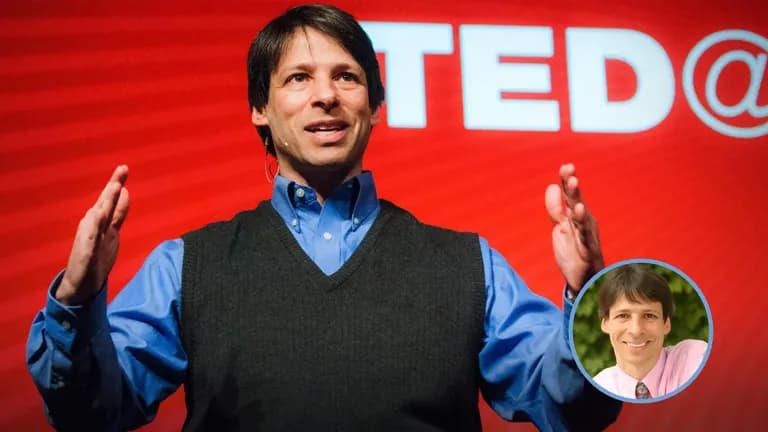
Mark Zuckerberg Turned a Campus Network Into a Global Social Platform
Mark Zuckerberg reshaped technology through work that continues to influence how modern systems are built and understood.
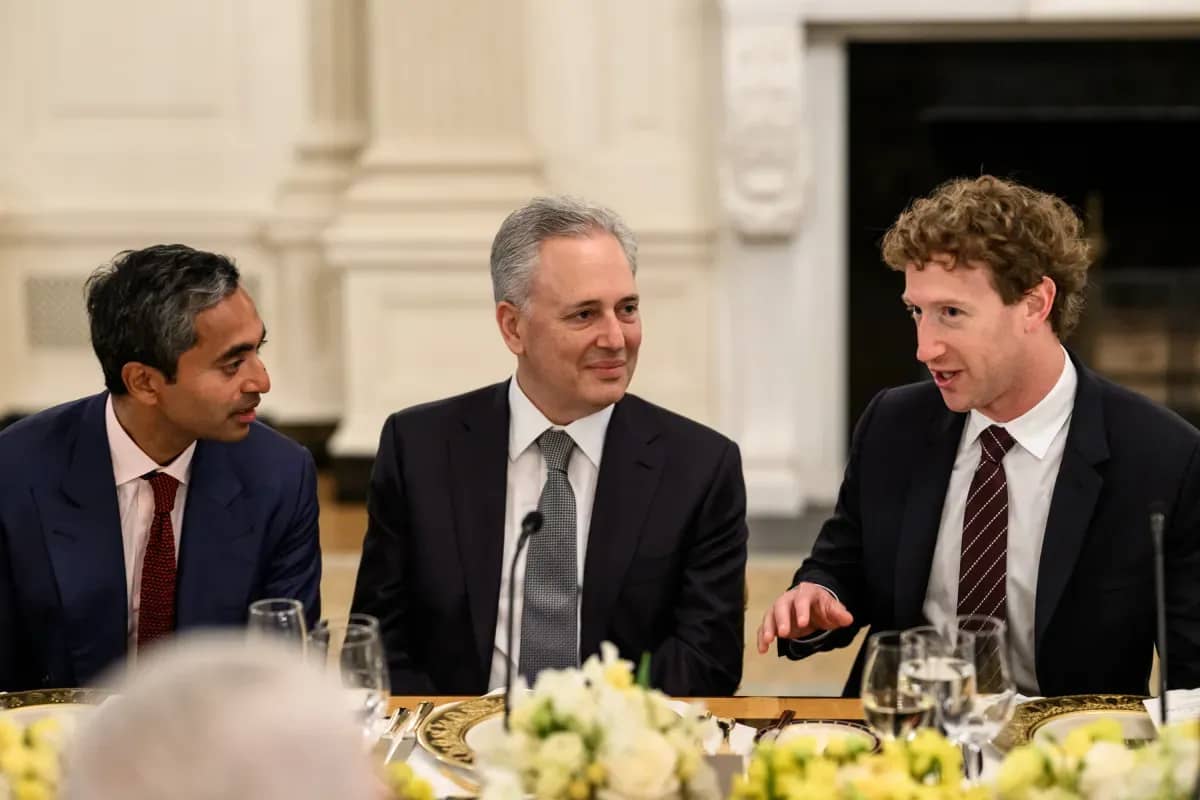
Mark Zuckerberg helped transform online identity and social connection by co-founding Facebook. The platform’s scale changed how people communicate—and intensified debates over privacy, moderation and power.
Born 1984
Life
Social technology
Field
Facebook co-founder
Defining milestone
From Harvard to rapid expansion
Zuckerberg launched TheFacebook with fellow students in 2004. It expanded from colleges to the general public, using real-name profiles and social graphs to connect people, groups and organizations.
A platform became an ecosystem
Facebook added messaging, news feeds, advertising tools and developer integrations, then acquired Instagram and WhatsApp. The company reorganized as Meta in 2021 while investing heavily in virtual reality and artificial intelligence.
Impact with unresolved costs
Facebook enabled communities and businesses to reach global audiences, but its history also includes major controversies involving personal data, harmful content and political influence. Zuckerberg’s legacy cannot be separated from the governance challenges created by platform scale.
Why Mark Zuckerberg still matters
Mark Zuckerberg changed what researchers, engineers or the public expected from technology. The influence is visible both in today’s tools and in the questions society still has to answer.
Source: Authoritative profile.
The weekly question
From obsession to clarity — one original question every week.
We answer one noisy topic at a time, in full. No daily roundup, no thread bait — just the question, the principles, and the system.