
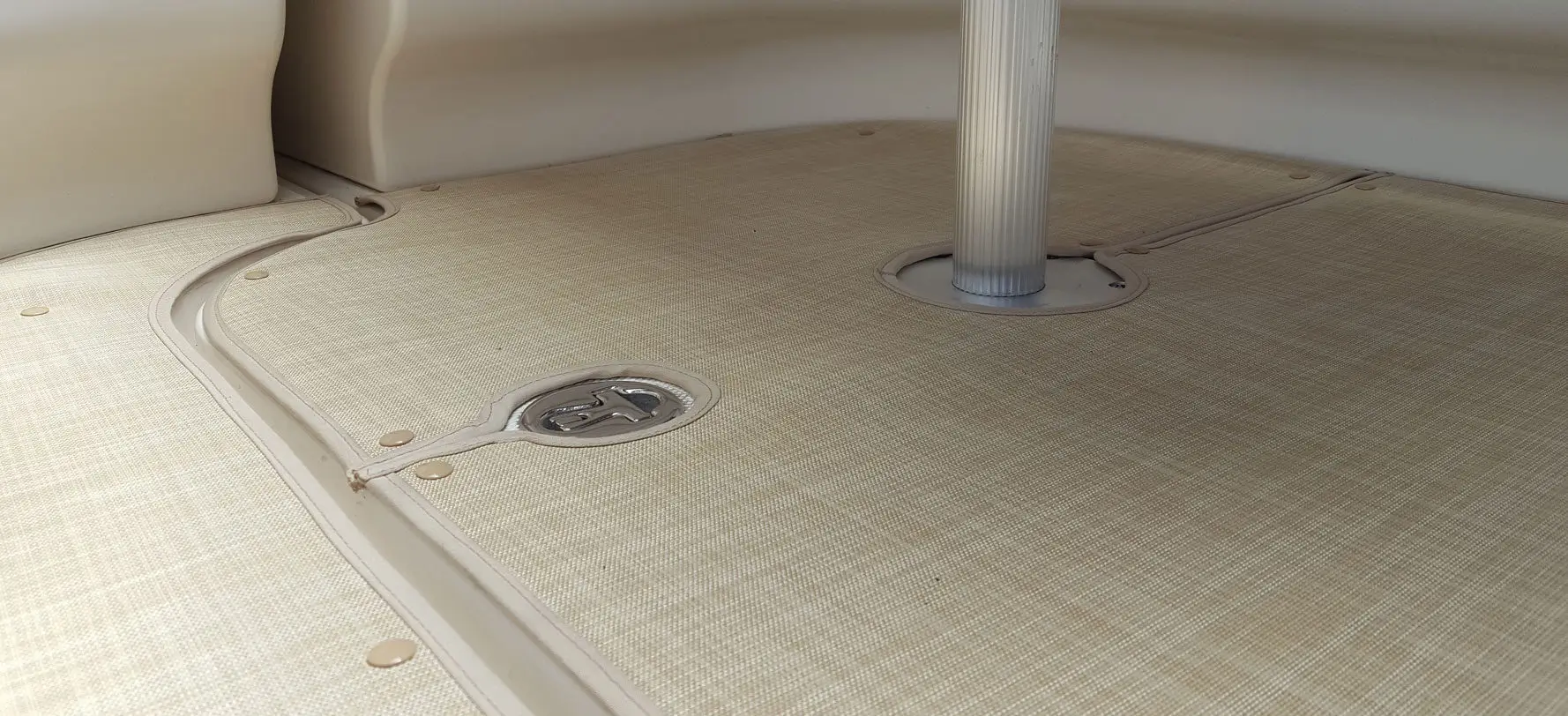
Boat decks face constant sun, moisture, and heavy foot traffic. Over time, flooring begins to show signs of wear that affect comfort and safety. Marine surfaces need to stay durable and supportive in changing conditions. Spotting early damage helps plan timely updates before issues spread.
Visible Wear and Fiber Breakdown
Surface texture often reveals the first signs of aging material. Boat carpet may look flat, thin, or rough in high-traffic areas. Fibers lose their original softness after years of sun and use. Worn spots can reduce comfort underfoot.
Heavy gear placement can also speed up surface wear. Tackle boxes and coolers press down on the same sections repeatedly. This pressure leads to crushed fibers and uneven texture. Early wear signs help signal the need for fresh material.
Fading and Color Changes
Strong sun exposure affects color over time on open decks. Faded sections often appear lighter than protected areas. This uneven tone shows that UV rays have weakened the fibers. Color loss can signal reduced surface strength.
Shade differences between compartments and open decks are common. Sun-exposed zones usually fade faster than covered storage lids. This contrast highlights material breakdown from light exposure. Fresh surface layers may help improve appearance and durability.
Surface Texture Changes
Texture shifts often occur alongside color fade. Areas that once felt soft can feel coarse or stiff. This change may signal fiber damage below the surface. Texture change affects both comfort and grip.
Loose Edges and Peeling Areas
Carpet edges near lids and corners often loosen first. The adhesive bond weakens after repeated moisture exposure. Loose sections can lift during movement across the deck. This creates tripping hazards in active spaces.
Peeling areas also allow water to reach the deck base. Trapped moisture can affect the underlying material over time. Small loose spots tend to grow if left unaddressed. Early repair or replacement helps prevent wider damage.
Persistent Odor or Moisture Issues
Damp carpet can hold moisture longer than expected. Lingering moisture sometimes leads to musty smells on board. This odor may suggest trapped water below the surface. Drying problems often point to deeper material wear.
Marine carpet replacementRepeated wet cycles weaken backing layers. When water fails to drain or dry well, fibers stay damp. Long-term moisture can affect deck hygiene and comfort. Fresh material may help improve airflow and drying response.
Reduced Comfort and Grip
Comfort levels change as surface layers age. Thinner fibers offer less cushion during long hours on deck. Harder feel underfoot can lead to more fatigue. Reduced padding signals declining surface support.
Less cushioning can make standing tasks feel more demanding over time. Long fishing sessions may place extra strain on legs and the lower back. A softer surface helps absorb minor impact from constant movement. Worn texture reduces that helpful shock absorption. Grip also plays a role in safe deck movement. Stable footing supports safer activity in all conditions.
Deck condition affects comfort, safety, and long-term boat care. Boat carpet that shows wear, fade, or loose edges often signals time for replacement. Odor issues and reduced grip also point to material fatigue. A timely update may help improve deck performance and maintain overall boat condition.