What to Know Before Planning Knee Replacement Surgery
Planning knee replacement surgery requires understanding your options, preparing your body and home, and setting realistic recovery expectations for the best outcome.
Deciding to have knee replacement surgery is a significant step toward reclaiming mobility and reducing chronic pain. While the procedure has helped millions of people return to active, fulfilling lives, understanding what lies ahead can make the journey smoother and less stressful. Here’s what you should know before moving forward with this life-changing operation.
Understanding When Surgery Becomes the Right Choice
Knee replacement isn’t typically the first option doctors recommend. Most patients arrive at this decision after trying other treatments—physical therapy, anti-inflammatory medications, injections, or lifestyle modifications—without lasting relief. Surgery usually becomes a consideration when knee pain significantly interferes with daily activities like walking, climbing stairs, or even sleeping comfortably.
Your surgeon will evaluate your overall health, the severity of joint damage, and how much your quality of life has declined. Age alone isn’t a deciding factor; what matters most is whether conservative treatments have stopped working and whether you’re healthy enough to undergo surgery and participate in recovery.
Preparing Your Body for the Procedure
The weeks leading up to surgery offer a valuable window to improve your outcome. Patients who enter the operating room in better physical condition often recover faster and experience fewer complications.
If your doctor approves, gentle strengthening exercises for your upper body and core can be particularly helpful. You’ll rely heavily on your arms when using a walker or crutches afterward, and a stronger core supports better balance during recovery. Swimming and stationary cycling are often recommended because they build endurance without stressing the knee.
Weight management also plays a role. Carrying extra pounds puts additional strain on your new joint and can complicate healing. Even modest weight loss before surgery can make a meaningful difference in your recovery timeline and long-term results.
If you smoke, your medical team will strongly encourage you to quit well before the procedure. Smoking impairs blood flow and slows wound healing, increasing the risk of infection and other complications.
Getting Your Home Ready
Returning home after surgery means navigating your space with limited mobility for several weeks. Taking time to prepare your living environment beforehand eliminates frustration and reduces fall risks during recovery.
Consider moving essential items—medications, phone chargers, remote controls, and frequently used kitchen supplies—to waist height so you won’t need to bend or reach overhead. Remove loose rugs, electrical cords, and clutter from walkways. Install grab bars in the bathroom if you don’t already have them, and consider a raised toilet seat or shower chair.
If your bedroom is upstairs, you might want to set up a temporary sleeping area on the main floor. Climbing stairs will be difficult initially, and avoiding them reduces both effort and risk during the early healing phase.
Stock your refrigerator and pantry with easy-to-prepare meals, or cook and freeze portions ahead of time. Simple tasks become challenging when you’re managing pain and limited movement.
What to Expect During Your Hospital Stay
Most knee replacement surgeries require a hospital stay of one to three days, though some patients go home the same day depending on their health and support system. Modern surgical techniques and pain management protocols have shortened recovery times considerably compared to previous decades.
Physical therapy typically begins within hours of surgery. This may sound daunting, but early movement is essential for preventing blood clots and beginning the process of regaining strength and flexibility. Therapists will guide you through simple exercises and help you take your first assisted steps.
Pain management has evolved significantly. Your care team will use a combination of approaches to keep you comfortable while minimizing reliance on strong medications. Be honest with your nurses about your pain levels—effective communication helps them adjust your treatment appropriately.
The Reality of Recovery at Home
Recovery continues long after you leave the hospital. Most patients use a walker for two to four weeks, then transition to a cane before walking independently. Full recovery typically takes three to six months, though improvements can continue for up to a year.
Physical therapy is the cornerstone of successful recovery. You’ll have exercises to perform multiple times daily, and consistency matters enormously. Patients who commit to their rehabilitation program generally achieve better range of motion and return to activities sooner than those who don’t.
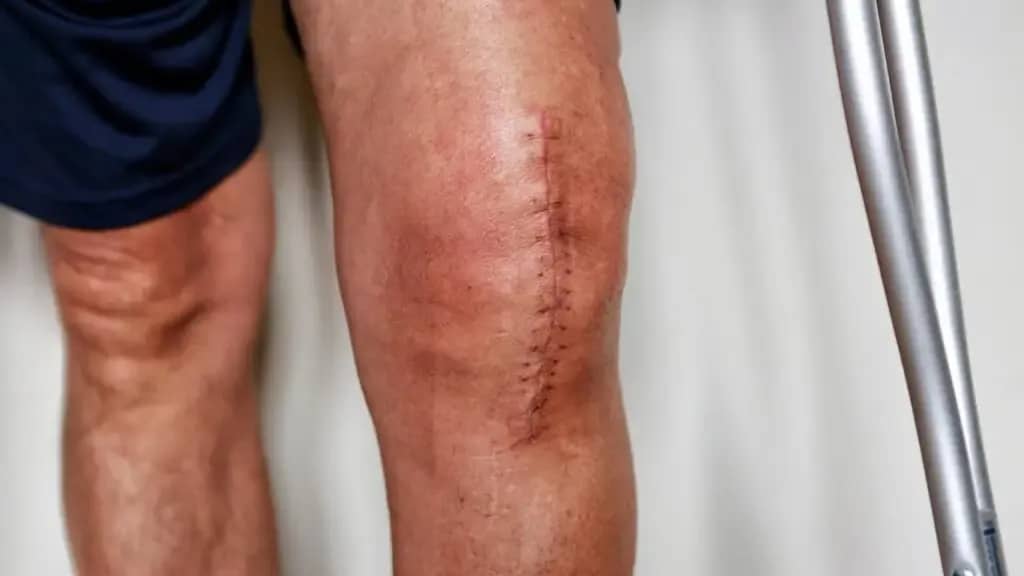
Swelling, stiffness, and discomfort are normal parts of healing. Ice packs, elevation, and prescribed exercises help manage these symptoms. However, contact your doctor if you notice signs of infection—increasing redness, warmth, fever, or drainage from the incision.
Many patients researching their options come across terms like knee implant surgery mesquite texas when exploring regional providers and treatment approaches. Gathering information from multiple sources helps you make confident, informed decisions about your care.
Setting Realistic Expectations
Knee replacement reliably reduces pain and improves function, but it won’t give you the knee you had at twenty. Most patients return to low-impact activities like walking, swimming, golfing, and cycling without difficulty. High-impact sports and activities involving jumping or quick pivoting generally aren’t recommended because they accelerate wear on the artificial joint.
The implant itself has a lifespan. Modern knee replacements typically last fifteen to twenty years or longer with proper care, but younger, more active patients may eventually need a revision surgery.
Final Thoughts
Preparing thoroughly for knee replacement surgery—physically, mentally, and practically—sets the stage for the best possible outcome. Ask questions, follow your medical team’s guidance, and give yourself grace during recovery. The temporary challenges of surgery and rehabilitation lead to lasting benefits: less pain, greater mobility, and a return to the activities that matter most to you.
The weekly question
From obsession to clarity — one original question every week.
We answer one noisy topic at a time, in full. No daily roundup, no thread bait — just the question, the principles, and the system.