Julian Assange Built WikiLeaks—Then Ended His U.S. Case With a 2024 Plea
Julian Assange founded WikiLeaks, published major classified archives and returned to Australia after a 2024 plea agreement ended his U.S. case.

Julian Assange built WikiLeaks around a radical proposition: digital systems could allow sources to submit secret records and publishers to distribute them globally.
WikiLeaks and the 2010 disclosures
Founded in 2006, WikiLeaks published leaked material from governments and other institutions. Its most consequential releases came in 2010, including U.S. military files from Afghanistan and Iraq, diplomatic cables and video of a 2007 Baghdad airstrike.
U.S. Army analyst Chelsea Manning supplied much of that material. Supporters argued the publications exposed war, secrecy and misconduct. Critics said raw or insufficiently redacted files endangered individuals.
2006
WikiLeaks founded
2010
Major U.S. archives published
2019
Entered Belmarsh prison
2024
Plea agreement and return to Australia
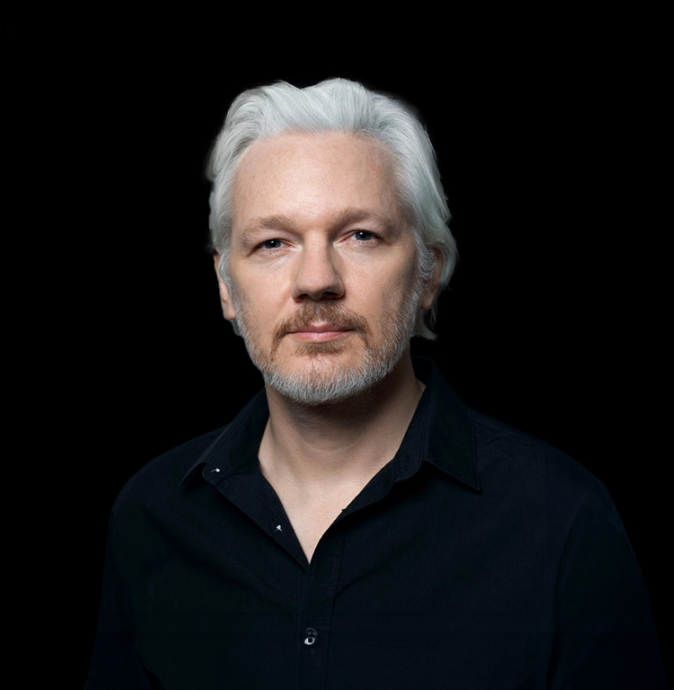
Julian Assange, founder of WikiLeaks.
Embassy, prison and extradition
Assange lived in Ecuador’s London embassy from 2012 until 2019. After Ecuador withdrew asylum, British police arrested him for breaching bail. He served that sentence and remained at Belmarsh while the United States pursued extradition.
The case became a global argument over national-security law and whether prosecuting publication activities threatened investigative journalism.
The case ended in 2024
In June 2024, Assange pleaded guilty in a U.S. court in Saipan to conspiring to obtain and disclose classified national-defense information. The court imposed a sentence reflecting time already served, and he returned to Australia.
The plea produced a conviction while ending the extradition fight. Assange later said he had chosen freedom after years of confinement.
The geek lesson
Digital publishing can make secrecy difficult to maintain, but scale changes the responsibilities of disclosure. Assange’s legacy remains contested because transparency, source protection, personal safety and state power collided in one platform.
The weekly question
From obsession to clarity — one original question every week.
We answer one noisy topic at a time, in full. No daily roundup, no thread bait — just the question, the principles, and the system.