Hikari Ōe Found a Language Through Musical Composition
Japanese composer Hikari Ōe developed a distinctive musical voice despite significant intellectual and communication disabilities.
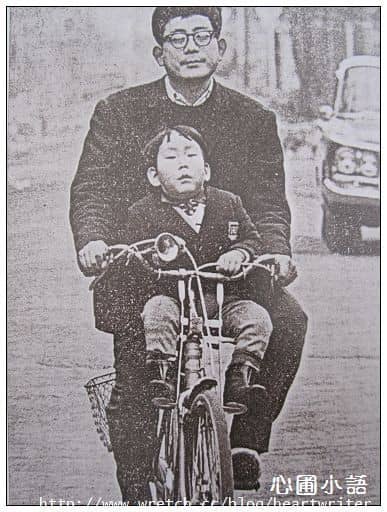
For Hikari Ōe, music became a language when spoken communication was difficult. The Japanese composer learned to identify birds by their calls, developed an intense response to classical music and eventually wrote works recorded by professional musicians.
Listening began with birds
Born in 1963, Hikari was the first son of writer Kenzaburō Ōe and Yukari Itami. A cranial abnormality required surgery, and he grew up with significant intellectual and communication disabilities.
His family noticed that birdsong could reach him. Recordings that named each bird before playing its call helped him connect sound with meaning. Classical music lessons followed, and his ability to shape musical phrases gradually became clear.
1963
Born in Japan
1992
First major recording released
1994
Hikari Oe Again released
3
Commercial albums widely associated with his music
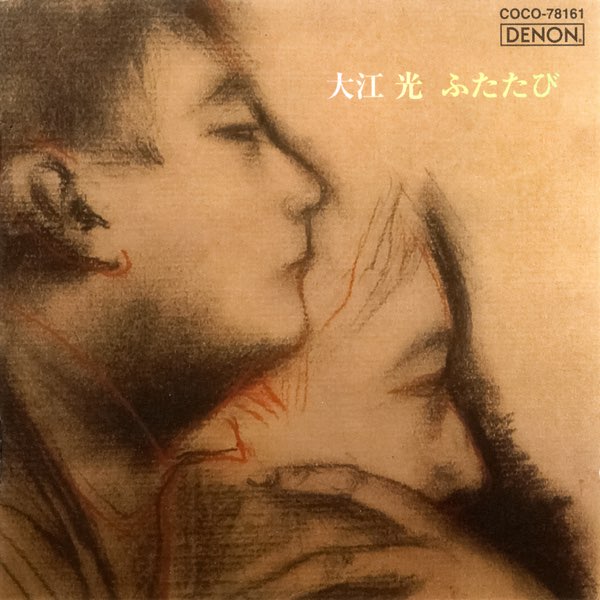
Album artwork for Hikari Ōe’s compositions.
Small forms with emotional clarity
Ōe’s compositions are often short works for piano or chamber instruments. Their direct melodies and careful structures communicate without needing an elaborate musical system.
Professional performers recorded collections including Music of Hikari Oe and Hikari Oe Again. The recordings reached listeners far beyond his family and established him as a composer in his own right.
A family story—and an independent achievement
Kenzaburō Ōe wrote repeatedly about fatherhood, disability and responsibility, and Hikari’s life influenced some of his most important fiction. That literary history can overshadow Hikari’s own creative output.
His compositions deserve separate attention. They show how attentive support can reveal a form of communication that conventional measures might miss.
The geek lesson
Hikari Ōe’s music did not erase disability; it created another route for expression. His story is a reminder to look for the medium through which a person can participate most fully—and then provide the time, teaching and respect needed for that voice to develop.
The weekly question
From obsession to clarity — one original question every week.
We answer one noisy topic at a time, in full. No daily roundup, no thread bait — just the question, the principles, and the system.