Henry Molaison Changed Memory Science Without Remembering It
Known for decades as patient H.M., Henry Molaison transformed scientists’ understanding of how the brain creates new memories.
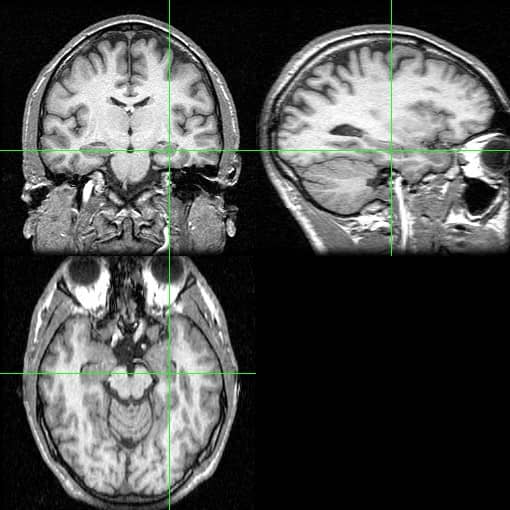
In 1953, Henry Molaison underwent experimental surgery intended to relieve severe epilepsy. Surgeon William Scoville removed tissue from both medial temporal lobes, including much of the hippocampal region. The seizures improved, but Molaison could no longer reliably form new long-term episodic memories.
The patient called H.M.
For privacy, scientific papers referred to him as H.M. Researchers, especially neuropsychologist Brenda Milner, studied his abilities over decades.
Molaison could hold information briefly when actively rehearsing it. He could also learn some motor skills even though he did not remember practising them. This distinction helped overturn the idea that memory is a single faculty.
1953
Year of surgery
55 years
Approximate research period
2008
Year his identity became public after death
Source: MIT and Society for Neuroscience
A map of memory systems
Molaison’s case showed that the medial temporal lobes are crucial for forming certain new memories, while short-term maintenance and some procedural learning can remain relatively intact.
The findings reshaped neuroscience, psychology and clinical understanding of amnesia.
The ethics of a famous case
Molaison repeatedly participated in research, although his amnesia meant consent required careful ongoing management. Modern accounts must balance scientific importance with the dignity of the person whose life made that knowledge possible.
Sources
The weekly question
From obsession to clarity — one original question every week.
We answer one noisy topic at a time, in full. No daily roundup, no thread bait — just the question, the principles, and the system.