
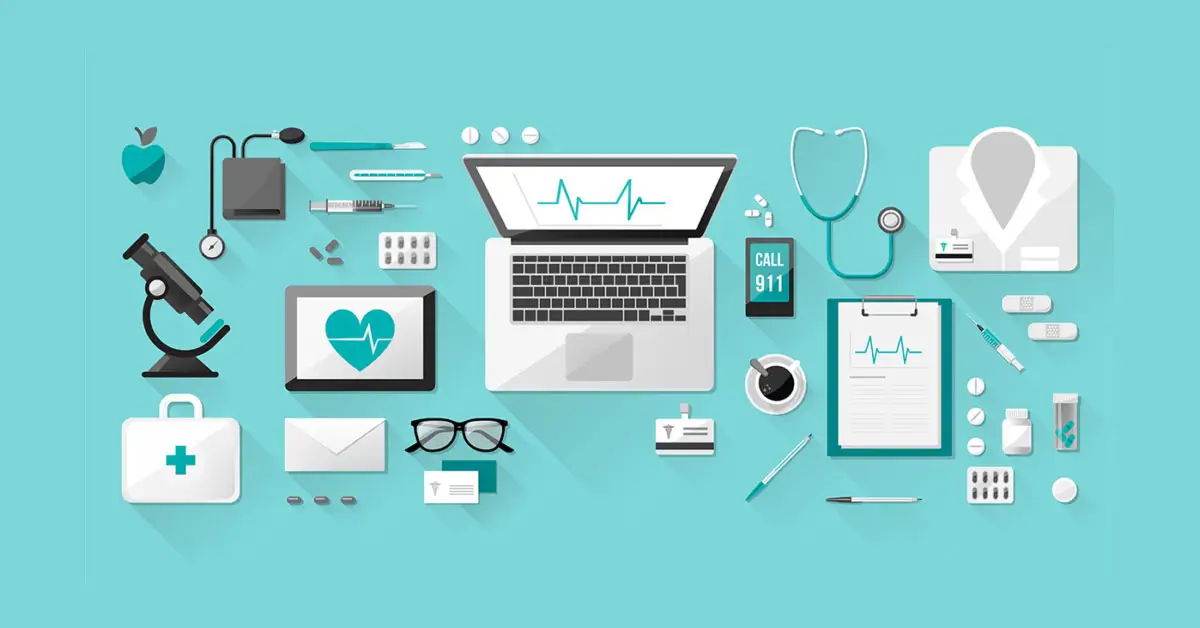
The Digital Shift in Healthcare Knowledge
In the past decade, technology has transformed the way we access and manage health information. From wearable devices to AI-driven apps, digital tools are helping people monitor their wellbeing, understand symptoms, and make informed decisions faster than ever. Tech-savvy users are no longer limited to relying solely on in-person consultations; digital platforms now bridge the gap between professional healthcare and everyday convenience.
The rise of online resources for medical information aligns with broader trends in digital literacy and telehealth. According to BBC, more patients are turning to the internet for guidance on managing conditions and understanding medications, reflecting a growing demand for accessible, accurate, and user-friendly health content.
For those seeking a reliable reference, the Hightown Health Conditions Guide offers an extensive online resource that covers a wide range of conditions, symptoms, and treatments. This guide empowers users to explore relevant information from the comfort of their homes while supporting informed conversations with healthcare providers.
Benefits of Digital Health Guides
Online health guides provide several advantages that align with the needs of modern, tech-oriented users:
- Instant Access: Find reliable information at any time without waiting for appointments.
- Comprehensive Coverage: Explore multiple conditions and treatment options in one place.
- User-Friendly Navigation: Easily search for symptoms, medications, and advice.
- Educational Resources: Improve understanding of health issues and preventive measures.
For tech enthusiasts, these digital guides function like a knowledge hub, combining traditional healthcare wisdom with modern accessibility.
How Tech Enhances Personalized Health Management
Advancements in AI, machine learning, and data analytics have made health information more personalized than ever. Apps can now track user habits, analyze symptoms, and suggest next steps—all while maintaining privacy and security. Forbes reports that integrating AI with online health platforms improves accuracy in symptom checking and risk assessment, ultimately supporting better health decisions.
Table: Comparing Traditional vs Digital Health Access
| Feature | Traditional Resources | Digital Health Guides |
| Availability | Limited office hours | 24/7 online access |
| Information Scope | Narrow focus | Extensive, searchable database |
| Personalization | General advice | Tailored suggestions based on user input |
| Convenience | Travel required | Accessible from any device |
| Updates | Slow | Rapid updates to reflect latest research |
This comparison highlights why more people are turning to digital platforms for health education and management.
Understanding Common Health Conditions Online
The ability to research conditions before consulting a professional can save time and reduce anxiety. Users can identify potential causes for symptoms, learn about preventive measures, and understand treatment options. According to NY Times, online health guides are particularly beneficial for chronic condition management, helping patients stay informed and proactive.
Examples of Digital Health Tools
- Symptom checkers with AI-driven suggestions
- Online drug interaction databases
- Virtual consultation platforms
- Preventive care checklists and reminders
By integrating these tools with comprehensive guides, users can take a more informed and active role in their health.
Safety and Accuracy Considerations
While online health resources are valuable, ensuring the information is credible is crucial. Users should seek platforms that are verified, regularly updated, and backed by professional healthcare oversight.
Key safety tips include:
- Check the platform’s credentials and affiliations.
- Confirm that advice aligns with official guidelines.
- Use online information as a supplement, not a replacement, for professional consultations.
- Review content for regular updates to reflect the latest research.
Platforms like Hightown combine professional oversight with user-friendly presentation, striking the balance between accessibility and reliability.
Integrating Digital Health Resources into Everyday Life
Modern users can seamlessly incorporate digital health guides into daily routines:
- Bookmark trusted guides for quick reference.
- Combine wearable device data with online advice to track progress.
- Use mobile apps to receive reminders for medication or check-ups.
- Educate family members on reliable sources of information.
These practices not only empower individuals but also enhance family health management, making wellness more proactive than reactive.
Digital tools like the Hightown Health Conditions Guide demonstrate how technology can democratize access to healthcare knowledge. By providing accurate, comprehensive, and accessible information, these platforms support smarter health decisions, improve patient confidence, and complement traditional medical care.
In a world increasingly reliant on digital solutions, the integration of tech and health information is more than a convenience—it’s becoming an essential part of responsible, informed healthcare.