

How Using a Hardware Wallet Strengthens Your Crypto Security
Hardware wallet crypto security offers unmatched protection by keeping your private keys offline, safeguarding your digital assets from hacks, scams, and human error.
Crypto punishes carelessness. Forget one password, click one bad link, or leave your coins in the wrong corner of the internet, and they can disappear in seconds. It’s brutal, but that’s the deal. The digital gold rush doesn’t have a safety net. And if you’re serious about holding your coins instead of gambling them away on the hope that nothing goes wrong, then you need to think about security that doesn’t crumble when the pressure comes. That’s where hardware wallets walk in.
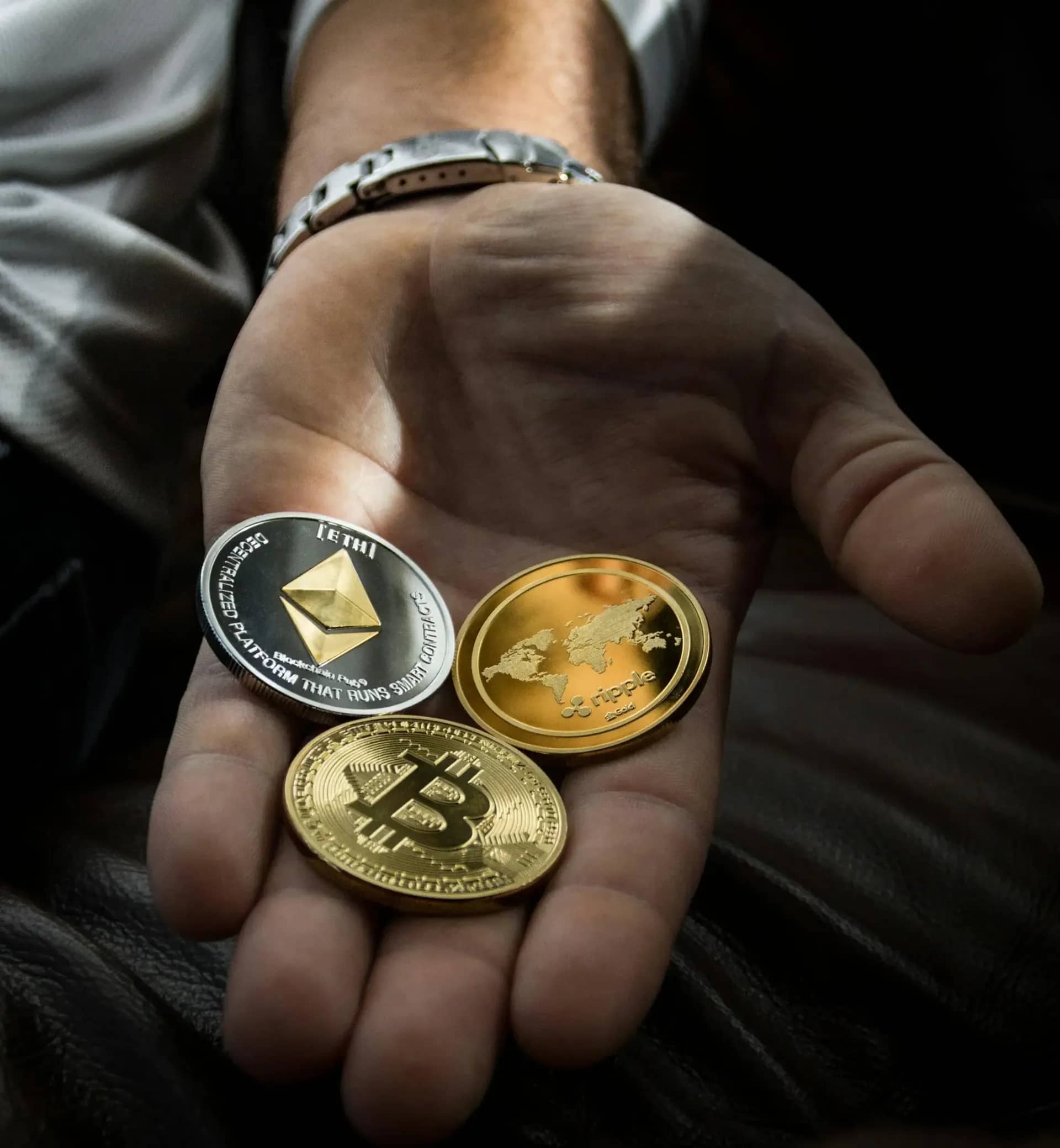
They don’t look like much. Just small, unassuming devices, quieter than the noise of glowing price charts and viral memes. But they’re vaults in disguise. They cut through all the hype and give you the one thing every crypto investor needs most: control. And control has never been more important. The Solana price is up more than 71 percent over the past year, sitting around 227 USD. That’s not just funny money anymore. Just like Bitcoin, the most trusted coin in the crypto world, Solana has reminded people that crypto is wealth, not a novelty. And when something’s wealth, it deserves protection worthy of it.
The Core Idea: Keys, Not Coins
Here’s what most people don’t realize when they start buying crypto: you don’t actually own coins. What you really own are private keys, long strings of numbers that act as proof that you can move those coins around. Whoever holds the keys controls the funds, and that’s the entire game. A hardware wallet keeps those keys inside itself, locked away, and never lets them touch the internet.
That’s the beauty. Your laptop can get hacked, your phone can get infected, your email can get hijacked, but the keys stay buried in the device. When you make a transaction, the wallet signs it inside itself, and only the signed message leaves. The secret never leaves home. It’s like holding the nuclear launch codes in a bunker and only sending out the “go” signal. That separation is what makes hardware wallets powerful.
Cold Beats Hot Every Time
In the crypto world, storage comes in two flavors: hot and cold. Hot storage is anything connected to the internet. It’s fast, convenient, and vulnerable. Cold storage is offline. It’s slower, but safe. A hardware wallet is cold storage at its best, keeping your keys away from prying eyes and sticky fingers. Even when you plug it into your computer, the device doesn’t reveal the private key. It only reveals the proof of a transaction.
That one design choice shuts the door on entire categories of hacks. Your machine might be crawling with malware, but it doesn’t matter. The key isn’t there. It’s locked in silicon and mathematics. That kind of resilience is rare in tech, where most systems are built for speed and shortcuts. Crypto flips the script. Safety wins the long game, and hardware wallets are built for the long game.
Phishing’s Worst Enemy
Most scams don’t work because hackers are brilliant. They work because people are tired, distracted, or in a hurry. A fake link, a fake login page, and suddenly your savings are gone. But a hardware wallet slows the whole process down. You can’t just click and go. You have to check the screen, press the button, and confirm every transaction with your own hands. That little pause is often the difference between losing everything and keeping it.
It’s a built-in safety net for human error. Think of that moment in Breaking Bad when Jesse stops Walt from making a catastrophic mistake. The hardware wallet is Jesse, forcing you to stop, read the details, and make sure you’re not blowing yourself up. You may still get tricked in other ways, but not as easily. Not when the machine forces you to slow down and look.
Built for Human Mistakes
Crypto is unforgiving, but humans are messy. We forget passwords, misplace files, or let a device slip through the cracks. Hardware wallets are designed with that reality in mind. They use recovery phrases—twelve or twenty-four words you can write down and stash somewhere safe. Lose the wallet? Smash it? Burn it? Doesn’t matter. The words will bring your funds back.
That recovery system is peace of mind. It acknowledges that life gets in the way and still makes sure your coins survive. There aren’t many systems in life that let you be both human and safe at the same time. Hardware wallets quietly achieve that balance, and they do it with something as simple as a piece of paper and a pen.
Not Just for the Crypto Elite
There’s a myth that hardware wallets are for whales, the ones holding millions. That’s lazy thinking. If you have enough crypto that losing it would sting, it’s worth protecting. You wouldn’t keep rent money in a shoebox under the bed and call it secure. Crypto deserves at least the same level of care.
A hardware wallet doesn’t discriminate between a small stack and a big one. It just guards what you put in it. Yi He, Binance co-founder, put it plainly: “Crypto isn’t just the future of finance – it’s already reshaping the system, one day at a time.” If you believe that, then whether you hold a little or a lot, your slice of the future is worth protecting.
The Long Game
Markets are chaos. Coins rise, crash, rebound, and fall again. Solana itself hit above 290 USD before sliding down and then clawing back. That volatility is baked into crypto’s DNA. It’s what makes headlines and lures new investors in. But security doesn’t care if prices are up or down. A hardware wallet doesn’t move with the market. It just works, day after day.
That reliability is boring, and boring is underrated. While everyone else is glued to the charts, sweating over the ups and downs, your wallet sits quietly in a drawer, holding the line. That silence is strength. It’s the kind of strength that keeps your wealth intact no matter how the storm rages.
From obsession to clarity — one original question every week.
We answer one noisy topic at a time, in full. No daily roundup, no thread bait — just the question, the principles, and the system.