Giuseppe Mezzofanti Turned Language Learning Into a Lifelong Calling
Giuseppe Mezzofanti became famous across 19th-century Europe for conversing in dozens of languages without becoming a world traveler.
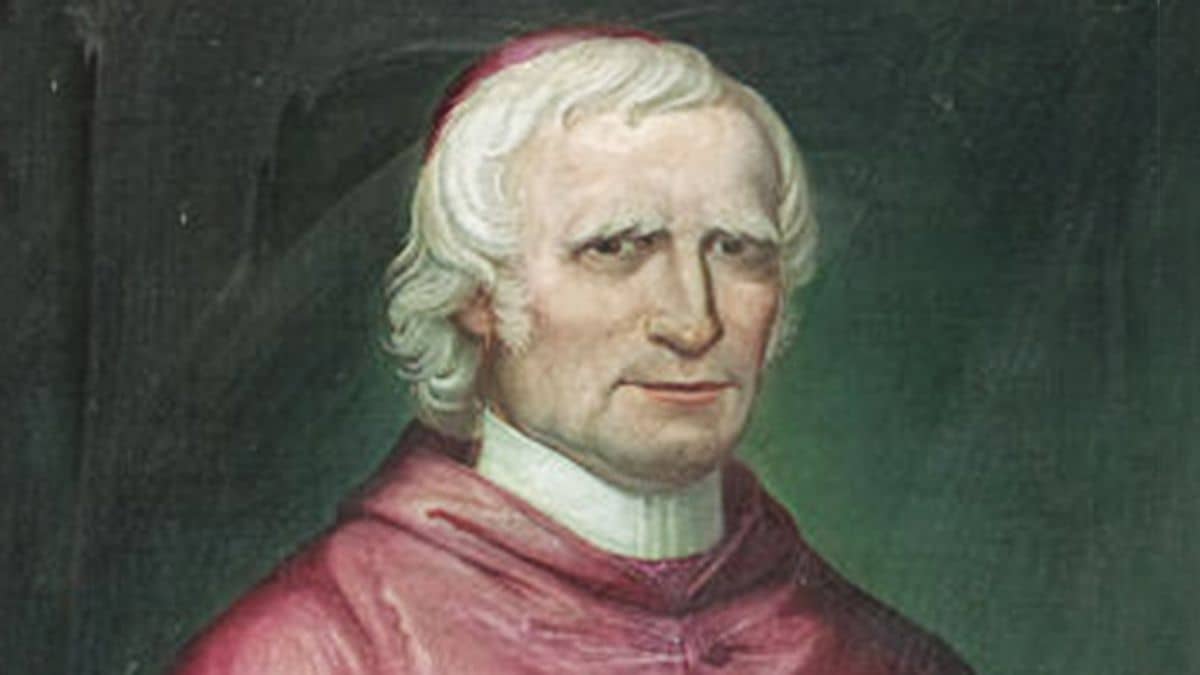
Giuseppe Mezzofanti spent most of his life in Italy, yet visitors from across the world reported hearing him converse in their own languages.
The Italian priest, professor, Vatican librarian, and cardinal became one of the most celebrated polyglots of the 19th century. His reputation rested not on a single public performance but on decades of conversations with students, travelers, diplomats, missionaries, and scholars.
How a carpenter's son became a language scholar
Mezzofanti was born in Bologna in 1774. He showed an early aptitude for study and entered an ecclesiastical education, where Latin and Greek opened the door to a much larger linguistic world.
He was ordained in 1797 and taught languages at the University of Bologna. Political upheaval briefly cost him his university position, but he continued teaching privately and expanding his knowledge.
Bologna brought speakers from many countries into his orbit. Mezzofanti treated each encounter as an opportunity to listen, compare sounds, and practice.
How many languages did Mezzofanti speak?
The exact total remains debated because modern proficiency tests did not exist. A major 1858 biography classified his abilities by level, rather than treating every language as equally strong.
The Catholic Encyclopedia's biography says he spoke 38 languages perfectly, with lesser command of many more languages and dialects. Modern scholars advise treating such historical totals cautiously, while accepting that his range was extraordinary.
That distinction matters: recognizing different levels makes his achievement more credible, not less impressive.
1774
Born in Bologna
38
Languages described as spoken perfectly in an early biography
1838
Created a cardinal
Source: Catholic Encyclopedia and historical biographies
Conversation was his working method
Mezzofanti did not learn only from grammar books. He listened closely to native speakers and used conversation to test pronunciation, vocabulary, and social nuance.
As a priest, he also met foreign soldiers and travelers who needed pastoral help. Later, his work in Rome placed him near students and clergy from many regions.
He appears to have combined an exceptional memory with curiosity and the willingness to speak. Those habits remain recognizable to modern language learners: seek real input, notice patterns, and use the language before it feels perfect.
From Bologna to the Vatican
Mezzofanti moved to Rome in the 1830s and worked with the Vatican Library. In 1838, Pope Gregory XVI made him a cardinal.
The Vatican gave him access to an unusually international community. He could move between scholarly texts and live conversation, maintaining languages that would otherwise have faded.
1774
Born in Bologna
1797
Ordained and appointed to teach Hebrew
1830s
Moved to Rome and worked with the Vatican Library
1838
Became a cardinal
1849
Died in Rome
Why Giuseppe Mezzofanti still matters
His language count attracts attention, but the deeper lesson is how he made multilingualism part of daily life. Languages were not trophies stored on a list. They were tools for teaching, scholarship, service, and human contact.
Mezzofanti's story also warns against reducing language ability to one number. Reading, writing, listening, speaking, and translating are different skills, and proficiency changes without use.
Even with those cautions, the evidence leaves little doubt that he built an unusually broad linguistic life. He showed what can happen when memory, access to speakers, and relentless curiosity reinforce one another for decades.
The weekly question
From obsession to clarity — one original question every week.
We answer one noisy topic at a time, in full. No daily roundup, no thread bait — just the question, the principles, and the system.