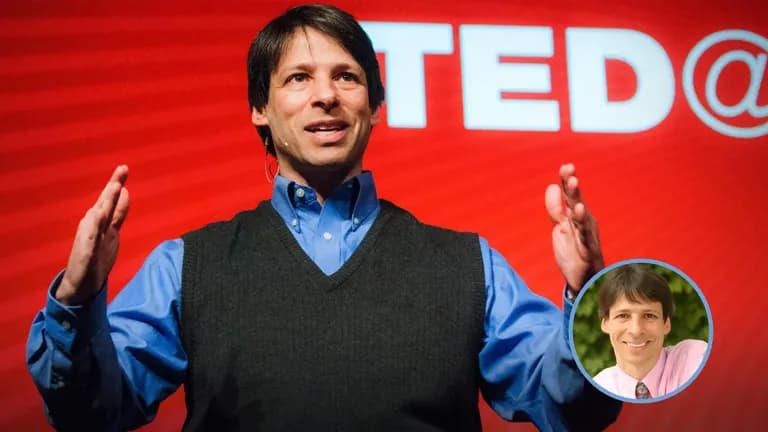
Geoffrey Hinton Helped Neural Networks Learn Their Way Into the Mainstream
Geoffrey Hinton reshaped technology through work that continues to influence how modern systems are built and understood.
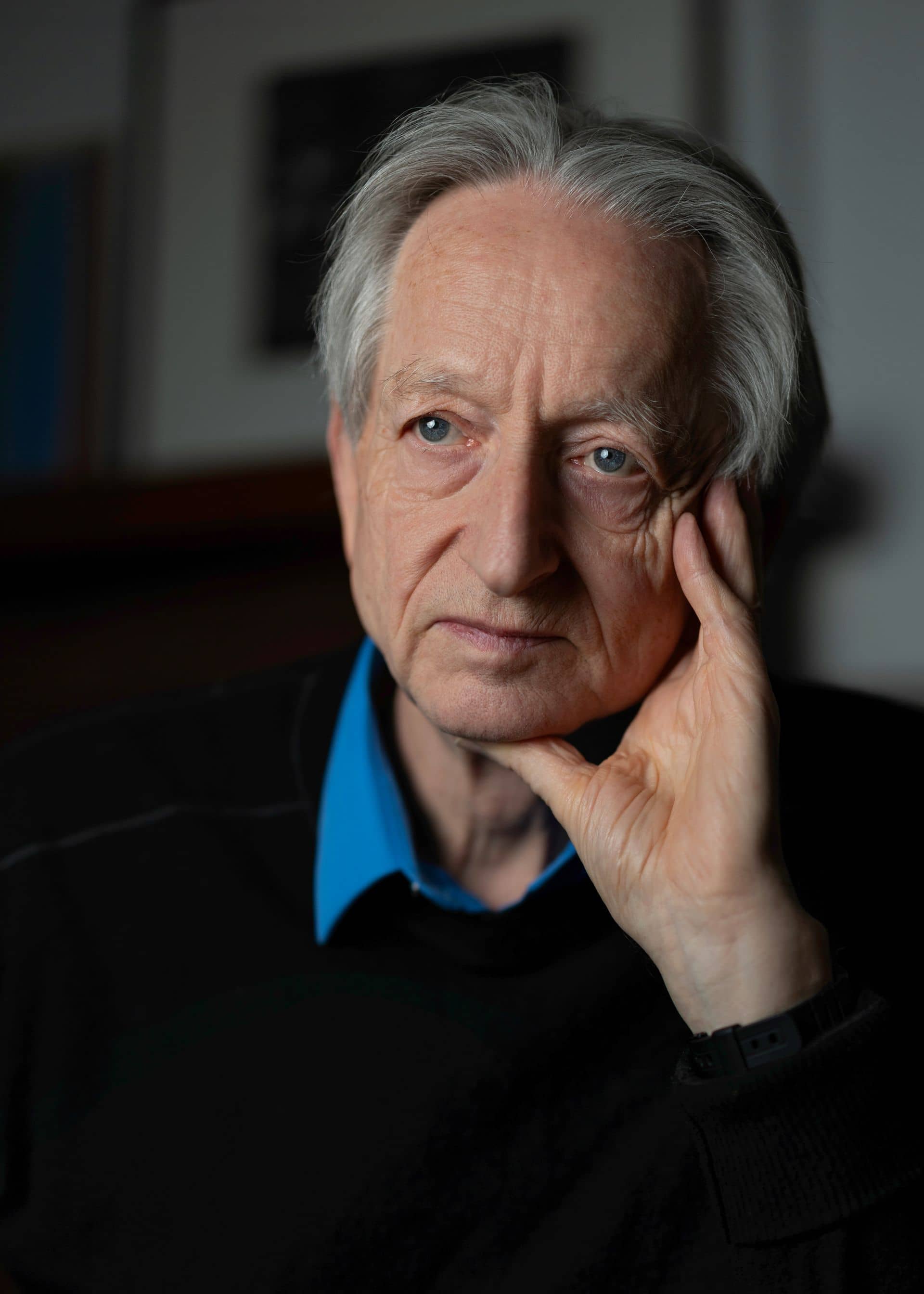
Geoffrey Hinton pursued neural networks when much of artificial-intelligence research had moved elsewhere. Decades later, those ideas became central to speech recognition, computer vision and generative AI.
Born 1947
Life
Deep learning
Field
2018 Turing Award
Defining milestone
Making multilayer learning practical
The 1986 paper by David Rumelhart, Hinton and Ronald Williams helped popularize backpropagation for training multilayer neural networks. Hinton later advanced distributed representations, Boltzmann machines and other learning methods.
The ImageNet breakthrough
In 2012, Hinton’s students Alex Krizhevsky and Ilya Sutskever built AlexNet under his guidance. Its dramatic ImageNet performance demonstrated the combined power of deep convolutional networks, large datasets and GPUs.
Recognition—and a warning
Hinton shared the 2018 ACM Turing Award with Yann LeCun and Yoshua Bengio, then shared the 2024 Nobel Prize in Physics with John Hopfield. He has also become a prominent voice urging serious research into the risks of increasingly capable AI.
Why Geoffrey Hinton still matters
Geoffrey Hinton changed what researchers, engineers or the public expected from technology. The influence is visible both in today’s tools and in the questions society still has to answer.
Source: Authoritative profile.
The weekly question
From obsession to clarity — one original question every week.
We answer one noisy topic at a time, in full. No daily roundup, no thread bait — just the question, the principles, and the system.