Garry Kasparov Ruled World Chess With Preparation and Pressure
Garry Kasparov turned competitive mastery into a record-setting career whose influence still reaches players today.
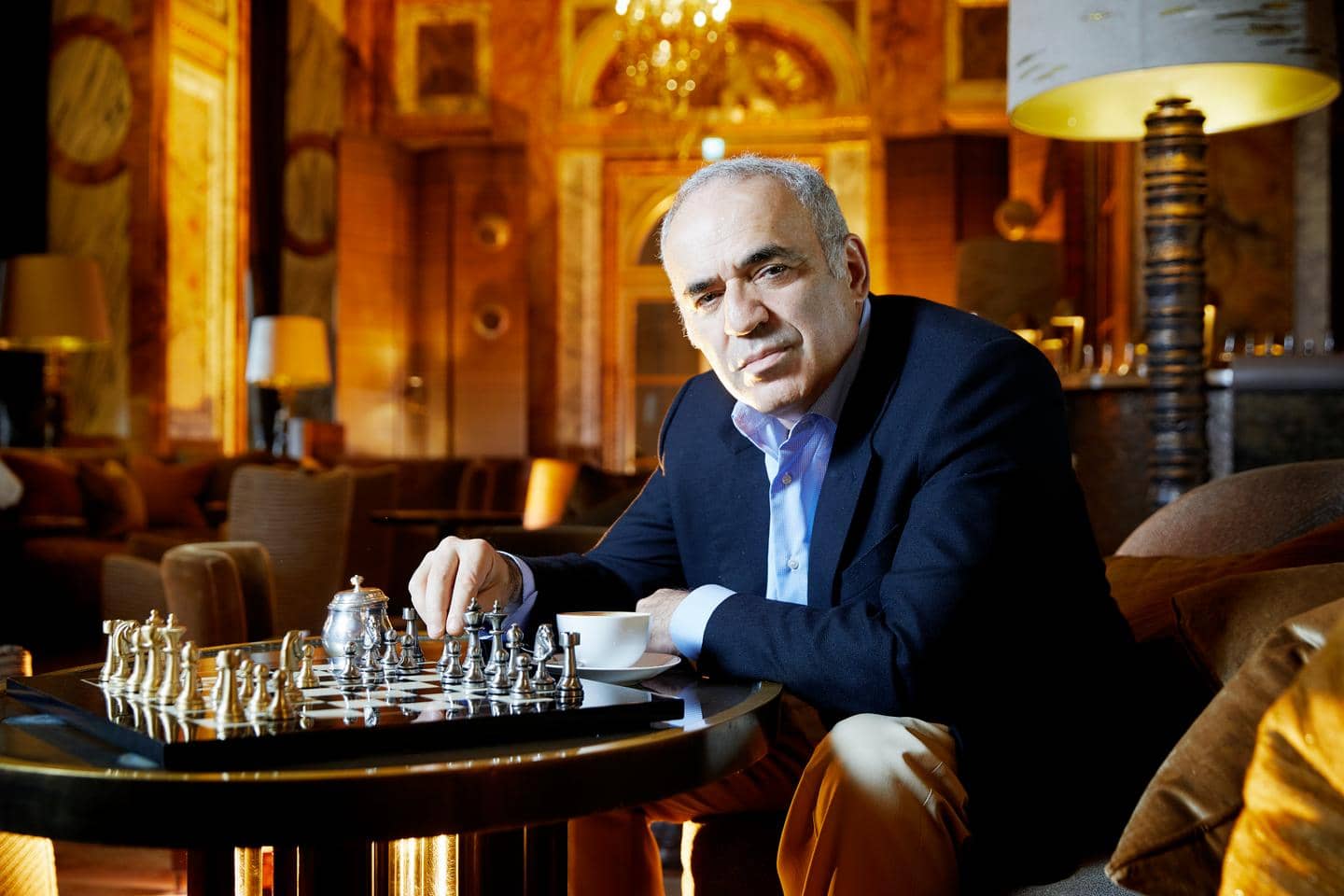
Garry Kasparov combined aggressive imagination with unprecedented opening preparation, holding the world championship for fifteen years.
Born 1963
Life / age
1985–2000
Peak or era
Peak 2851
Defining record
The youngest world champion of his era
Kasparov defeated Anatoly Karpov in 1985 at age 22 after a rivalry that stretched across multiple matches. Their battles became a study in preparation, endurance and contrasting styles.
A laboratory behind every opening
Kasparov’s teams used databases and deep analysis to search for improvements before games. At the board he converted that preparation into dynamic positions, accepting risk to seize the initiative.
The match that changed human–machine competition
Kasparov defeated IBM’s Deep Blue in 1996 but lost the 1997 rematch. The event became a milestone in computing history. Rather than ending chess, stronger machines transformed how elite players train—an evolution Kasparov later described as an opportunity for human-machine cooperation.
Why Garry Kasparov still matters
Garry Kasparov changed expectations in competitive play. The lasting lesson is that mastery comes from combining mechanics with preparation, adaptation and decision-making under pressure.
Source: Profile and record.
The weekly question
From obsession to clarity — one original question every week.
We answer one noisy topic at a time, in full. No daily roundup, no thread bait — just the question, the principles, and the system.