Frédéric Chopin Made the Piano Speak in a New Language
Frédéric Chopin devoted nearly his entire creative life to the piano, transforming its sound through poetic melody, daring harmony and intimate expression.
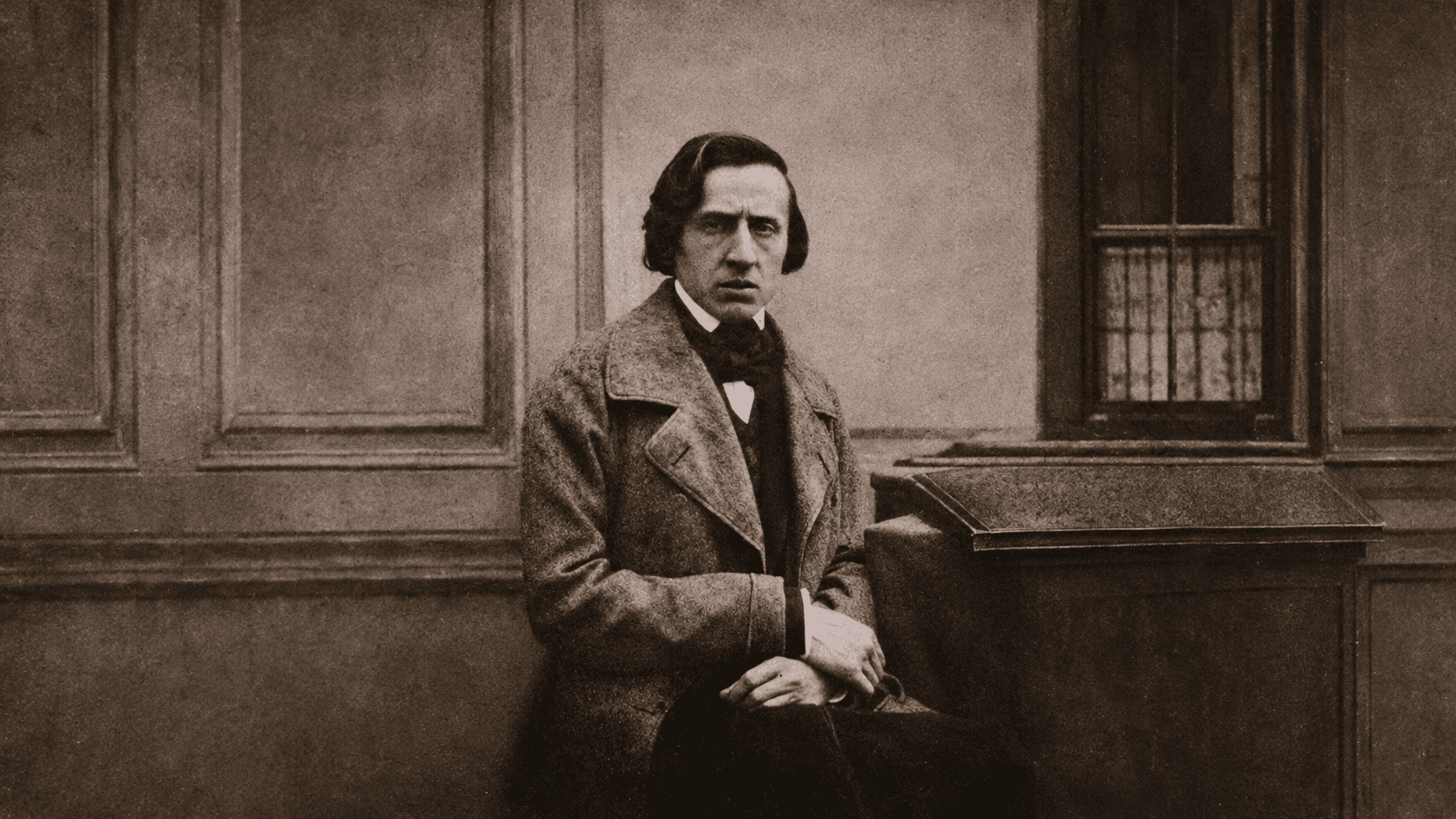
Frédéric Chopin built an entire artistic world around one instrument. While many composers divided their attention among orchestras, operas and choirs, Chopin returned again and again to the piano—testing its colour, touch, rhythm and emotional range.
Born in 1810 near Warsaw, he was recognized early as a remarkable pianist and composer. His first published work appeared when he was seven. By his late teens, he had developed a distinctive voice rooted in Polish dance rhythms and the expressive possibilities of the keyboard.
Correcting the familiar prodigy story
Chopin did not write his first piano concerto at 18, as is sometimes claimed. His two concertos were composed around 1829–1830, when he was about 19 and 20. The work known as Piano Concerto No. 2 was written first; Concerto No. 1 was completed later but published earlier.
That correction makes his progress no less striking. Before turning 21, Chopin had created large-scale works that remain central to the concert repertoire.
1810
Born
Żelazowa Wola
Age 7
First publication
Polonaise in G minor
2
Piano concertos
Composed around 1829–1830
39
Died
Paris, 1849
From Warsaw to Paris
Chopin left Poland in 1830 and settled in Paris, one of Europe’s great cultural capitals. He became part of a circle that included leading writers, painters and musicians.
He rarely pursued the life of a touring virtuoso on Franz Liszt’s scale. Chopin preferred intimate salons and earned much of his income teaching wealthy pupils. That environment suited music in which tiny shifts of timing, tone and harmony carry enormous emotional weight.
Technique became poetry
Chopin’s études are formidable technical exercises, but also complete works of art. His nocturnes expanded a lyrical form associated with John Field. His mazurkas and polonaises transformed Polish dance types into personal statements.
Across ballades, scherzos, preludes and waltzes, he made the sustaining pedal, flexible rhythm and singing melodic line essential parts of expression.
Why his obsession mattered
Chopin’s focus was narrow only in the sense that the piano was his laboratory. Within it, he found an almost unlimited range of voices—from public grandeur to private confession.
His music demands discipline but must never sound mechanical. That balance is why Chopin remains both a test of mastery and one of the most personal composers in the repertoire.
Sources
The weekly question
From obsession to clarity — one original question every week.
We answer one noisy topic at a time, in full. No daily roundup, no thread bait — just the question, the principles, and the system.