Franz Liszt Turned Piano Performance Into Spectacle
Franz Liszt pushed piano technique to astonishing limits, invented the solo recital as a cultural event and became one of the 19th century’s defining musical celebrities.
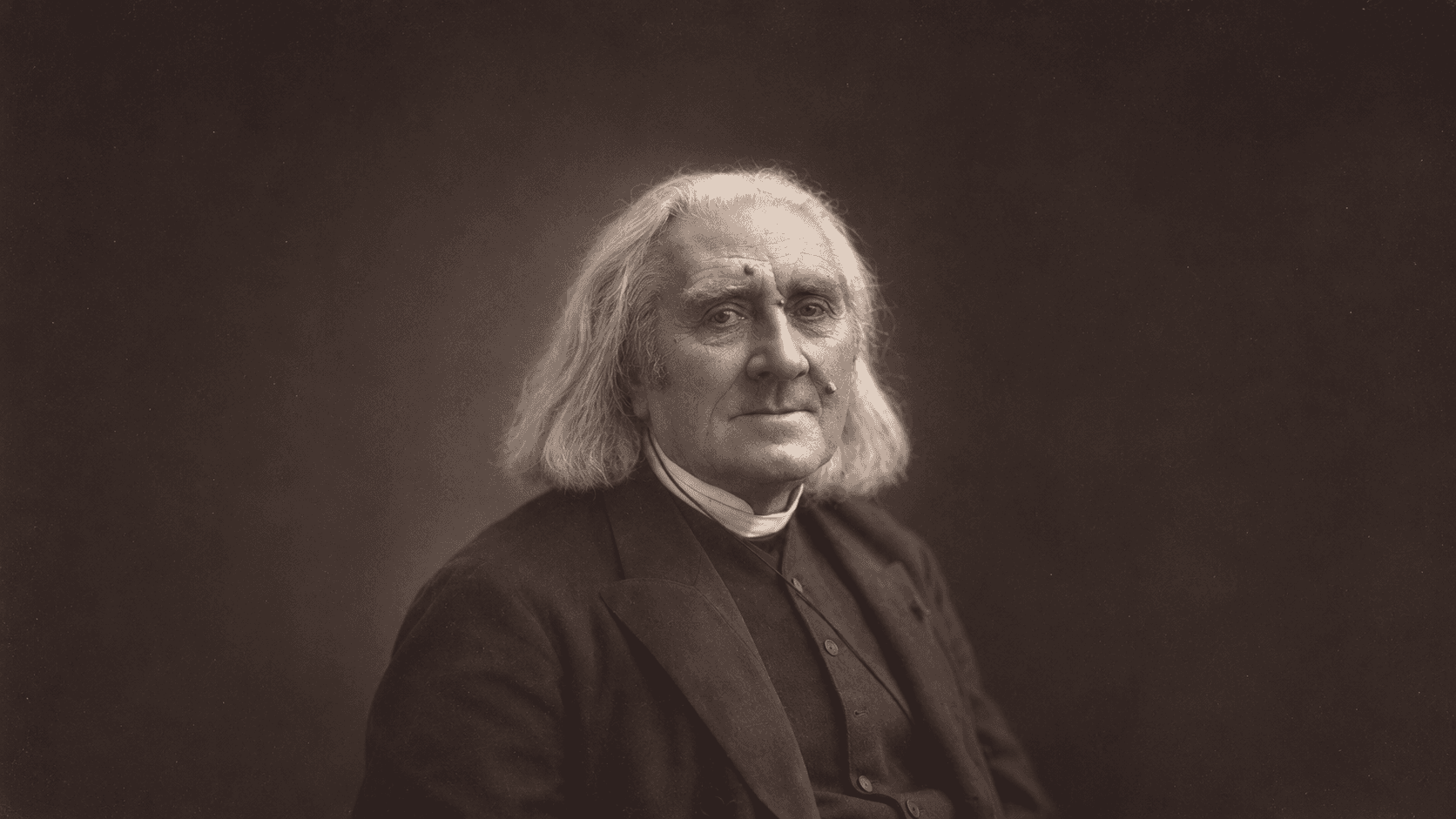
Franz Liszt made a piano sound like an orchestra—and made the pianist the centre of the stage. His concerts inspired such unusual excitement that the poet Heinrich Heine described the phenomenon as “Lisztomania.”
Born in 1811 in Doborján, now Raiding, Austria, Liszt displayed exceptional musical ability as a child. He studied in Vienna and appeared before European audiences while still young. Yet his importance goes beyond prodigious technique: he changed what performers, composers and audiences believed the piano could do.
The virtuoso as a new kind of artist
After hearing violinist Niccolò Paganini in Paris in 1832, Liszt became determined to achieve comparable command at the keyboard. He practised intensively and developed techniques that suggested orchestral colour, rapid leaps, thunderous octaves and several musical layers at once.
Liszt turned the piano sideways so audiences could see his profile and hands, played complete programmes from memory and helped establish the solo piano recital as a major public event.
1811
Born
Doborján, now Raiding
Piano
Instrument
Virtuoso, teacher and composer
Solo recital
Major innovation
A new concert model
74
Died
Bayreuth, 1886
Composition as exploration
Liszt’s music grew from his fascination with the instrument. The Transcendental Études and Hungarian Rhapsodies demand immense control. The Piano Sonata in B minor compresses a large dramatic argument into one continuous movement.
He also transcribed symphonies, songs and operatic excerpts. Before recordings, these arrangements helped listeners encounter music they might never hear in a concert hall.
More than showmanship
The celebrity legend can obscure Liszt’s generosity and curiosity. He supported younger composers, gave benefit concerts and taught many pianists without fees. In Weimar, he championed new music.
His later compositions became leaner and more harmonically adventurous. Some anticipate techniques important after his death. The showman kept experimenting even when the result was unlikely to win easy applause.
Why Liszt still matters
Modern concert pianism carries Liszt’s imprint: performing from memory, building a public persona and treating virtuosity as expressive theatre.
His lifelong obsession was possibility. He wanted to discover what the piano could imitate, suggest and become. In doing so, he expanded both the instrument and the idea of the performer.
Sources
The weekly question
From obsession to clarity — one original question every week.
We answer one noisy topic at a time, in full. No daily roundup, no thread bait — just the question, the principles, and the system.