Key Features To Consider When Selecting Electrical Switchboards For Your Facility
Electrical switchboards for your facility should be selected based on capacity, safety, scalability, and maintenance needs to support reliable long-term power distribution.
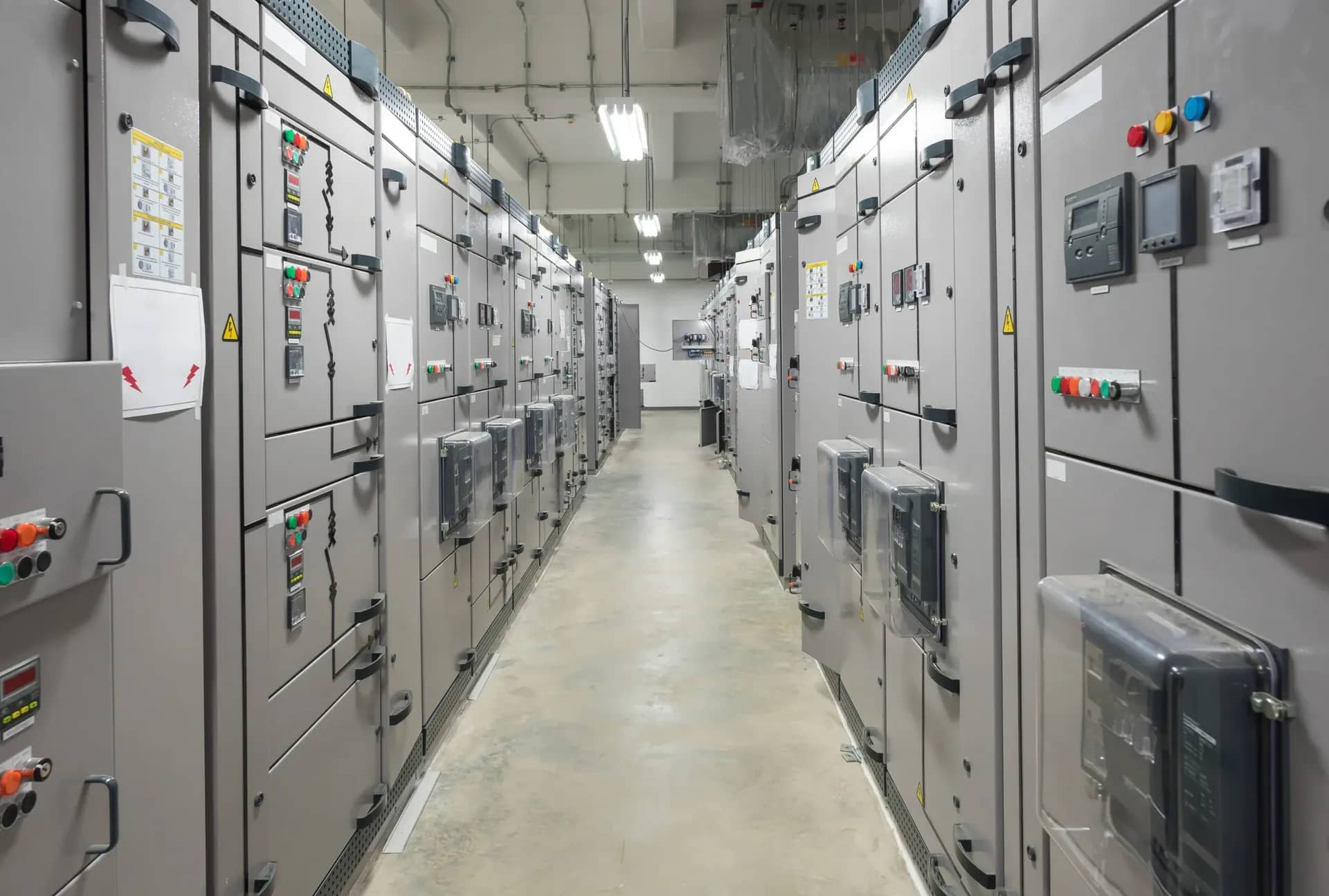
It’s never the switchboard’s fault, until it is.
Everything runs fine. Machines hum. Lights stay steady. Operations feel… predictable. Then one day, something trips. Or stalls. Or worse, everything goes down at once.
And suddenly, the quiet metal cabinet in the corner becomes the most important thing in the building.
That’s the nature of electrical switchboards. Invisible when they work. Unavoidable when they don’t.
Start With Capacity, But Don’t Stop There
Most people begin here, and that’s fair.
Switchboards are designed to distribute power safely across your facility. So yes, capacity matters. A lot.
But here’s where it gets interesting: choosing a switchboard based only on current load is like buying a storage unit for what you own today, ignoring everything you’re about to accumulate.
Ask yourself:
- Will operations expand?
- Are new machines or systems on the horizon?
- Is energy demand likely to spike during peak cycles?
A properly sized switchboard should handle today comfortably, and tomorrow without strain.
Scalability Isn’t a Bonus, It’s the Point
Facilities evolve. That’s the rule, not the exception.
New equipment gets added. Layouts shift. Processes change. If your switchboard can’t adapt, you’re looking at costly upgrades sooner than expected.
Look for designs that allow:
- Additional circuits without major rewiring
- Modular expansion
- Flexible configuration
Because tearing out and replacing a switchboard mid-operation? That’s disruption no one enjoys.
Component Quality: The Quiet Difference Maker
Here’s where things get overlooked.
Switchboards rely on internal components, breakers, busbars, connectors, to manage load and protect your system. If those parts aren’t reliable, everything downstream is at risk.
And unlike obvious failures, poor-quality components often degrade slowly. Performance dips. Efficiency drops. Small issues compound.
That’s why sourcing matters.
Using trusted suppliers like Verified Breakers ensures your switchboard is built with components that perform consistently under real operational stress, not just ideal conditions.
Because reliability isn’t visible. It’s experienced over time.
Safety Features: Non-Negotiable, Always
Let’s be clear, this isn’t an area for compromise.
Electrical switchboards should include:
- Overcurrent protection
- Proper grounding systems
- Arc fault protection where applicable
- Clear labeling and isolation capabilities
These aren’t “nice to have” features. They’re essential safeguards for both equipment and personnel.
A well-designed switchboard doesn’t just distribute power, it controls risk.
Compliance and Standards: The Box You Can’t Skip
Every facility operates under some form of electrical code or regulatory standard.
Your switchboard must meet those requirements. No exceptions.
This includes:
- Local electrical codes
- Industry-specific regulations
- Inspection and certification processes
Skipping compliance doesn’t just create legal issues, it creates operational vulnerabilities.
And those tend to show up at the worst possible time.
Ease of Maintenance (Because You’ll Need It)
Here’s a question that rarely gets asked upfront:
“How easy is this thing to maintain?”
Because at some point, it will need attention.
A good switchboard design allows:
- Easy access to components
- Clear circuit identification
- Minimal downtime during servicing
If maintenance requires shutting down half your facility or navigating a maze of poorly labeled circuits, that’s not efficiency, that’s frustration waiting to happen.
Environmental Fit: Where It Lives Matters
Not all switchboards operate in clean, climate-controlled environments.
Some are exposed to:
- Dust
- Moisture
- Temperature fluctuations
- Industrial wear and tear
Choosing a switchboard with the right enclosure rating and durability ensures it can handle the conditions it’s placed in.
Because even the best system won’t last if it’s in the wrong environment.
The Hidden Cost of Getting It Wrong
A poorly chosen switchboard doesn’t fail immediately.
It struggles first.
You’ll notice inefficiencies. Minor disruptions. Increased maintenance. Then, eventually, bigger problems.
And by then, the cost isn’t just financial, it’s operational.
Downtime. Repairs. Lost productivity.
All from a decision that seemed small at the time.
Final Thought: Build for Stability, Not Just Function
Selecting the right electrical switchboards isn’t about checking boxes. It’s about creating a stable foundation for everything your facility depends on.
Power distribution isn’t glamorous. It doesn’t get attention when it works.
But when it fails?
It becomes the only thing anyone notices.
So choose the system that doesn’t just work today, but keeps working, quietly and reliably, long after installation.
That’s the difference between power and control.
The weekly question
From obsession to clarity — one original question every week.
We answer one noisy topic at a time, in full. No daily roundup, no thread bait — just the question, the principles, and the system.