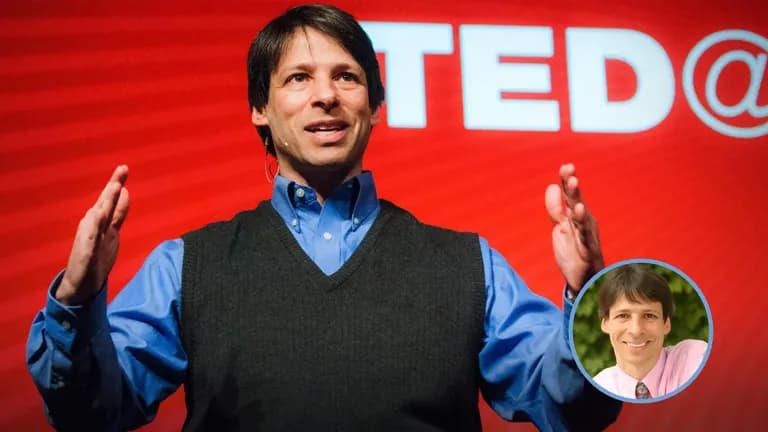
Daniel Kish Teaches Blind People to Navigate Through Echolocation
Daniel Kish developed FlashSonar teaching methods that help blind people interpret tongue-click echoes and navigate more independently.
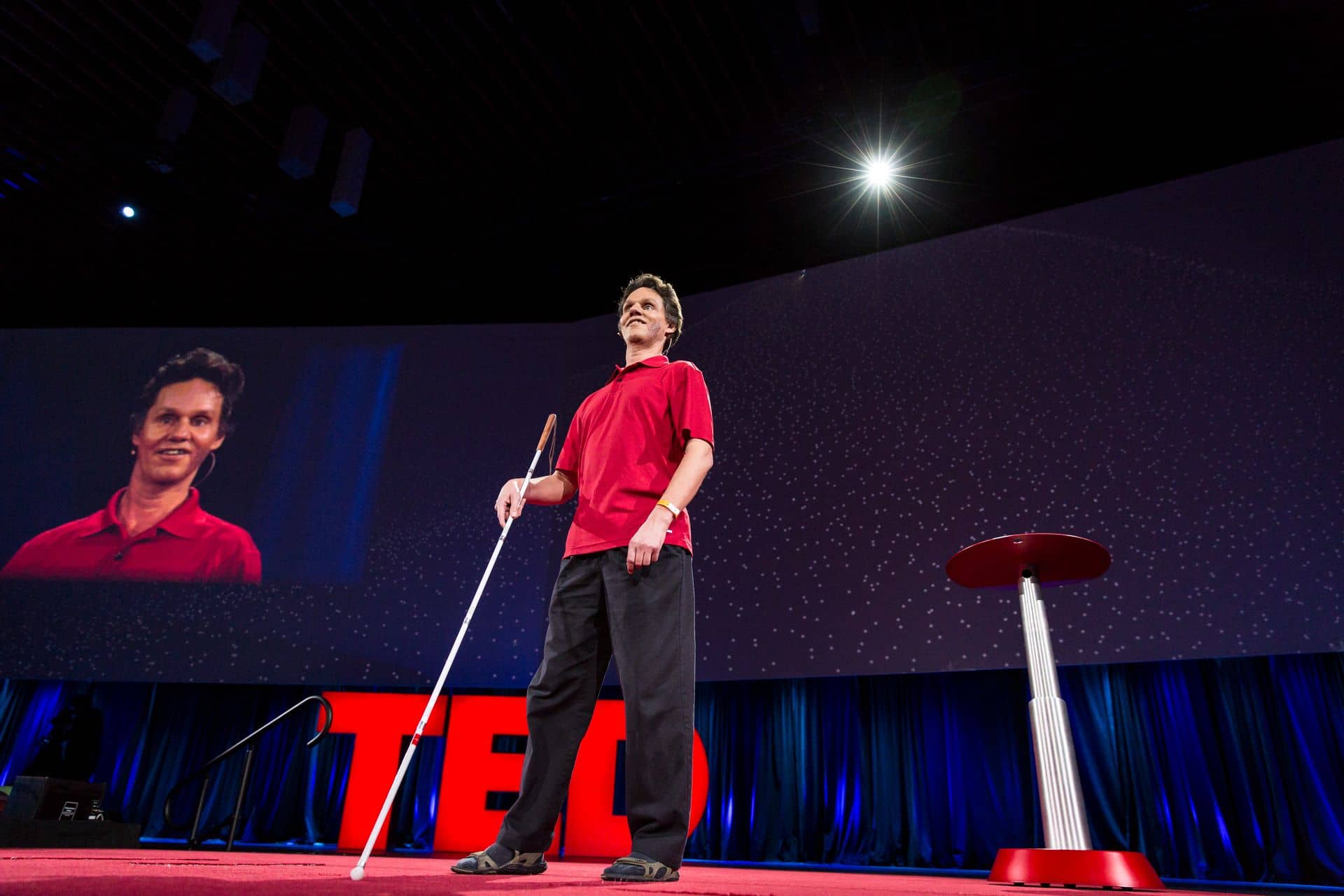
Daniel Kish clicks his tongue, listens to the returning echo and builds a spatial understanding of the environment. More importantly, he has spent decades teaching other blind people how to develop the same skill.
Learning to explore without sight
Retinoblastoma led to the removal of both Kish’s eyes by the time he was 13 months old. His parents encouraged independent exploration, and tongue clicking emerged naturally as one of the tools he used to move through the world.
He later studied developmental psychology and special education, researched echolocation and developed structured teaching methods.
13 months
Age when both eyes had been removed
2
Master’s degrees earned
2000
World Access for the Blind founded
20+ years
International training and advocacy
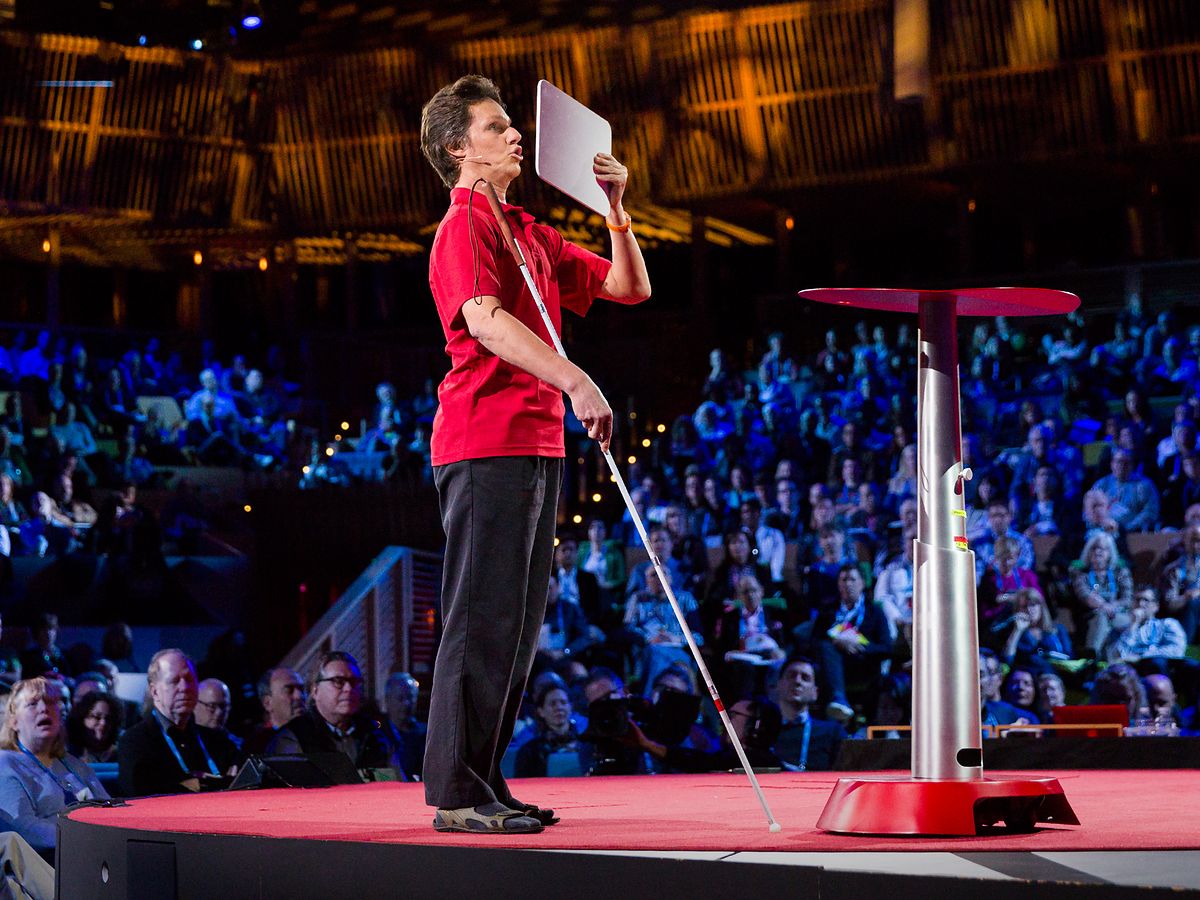
Daniel Kish demonstrating human echolocation at TED.
What FlashSonar reveals
Kish calls his approach FlashSonar. A sharp tongue click behaves like a brief flash of sound. Echo timing and quality can indicate openings, walls, trees, parked vehicles and changes in surface density.
Echolocation works alongside canes, hearing, touch, memory and other mobility skills. It is not a magical replacement for sight, and its resolution is lower than vision.
Changing expectations
In 2000, Kish founded World Access for the Blind. The organization teaches perceptual navigation and emphasizes self-directed discovery rather than fear-based restriction.
His public demonstrations—including cycling and wilderness travel—attract attention, but Kish argues that employment, independent living and control over daily decisions matter more than spectacular feats.
The geek lesson
Kish transformed a personal adaptation into a teachable method. His deeper contribution is philosophical: blind people should receive tools, opportunity and permission to explore—not assumptions about what they cannot do.
The weekly question
From obsession to clarity — one original question every week.
We answer one noisy topic at a time, in full. No daily roundup, no thread bait — just the question, the principles, and the system.