
Late-stage inspection rarely rescues a weak sourcing choice. Defect rates, rework hours, and warranty claims are often written the moment a specification is set, a supplier is qualified, and payment terms are negotiated. Treating the “cost of quality” (COQ) as a procurement responsibility turns everyday buying decisions into measurable levers for fewer escapes and a cleaner P&L.
Across the first section of any transformation, data plumbing matters more than slogans. The moment a category team aligns coding, tolerances, and acceptance criteria with finance tags, improvement becomes visible in both defect-per-million (DPMO) and cash terms. That is where purchasing software becomes the backbone, earning its keep: guided forms standardize intake, policy embeds required metadata, and audit trails make exceptions expensive in the right ways.
Why “Cost of Quality” Belongs in Procurement
The classic COQ model divides spend into four buckets: prevention, appraisal, internal failure, and external failure. Procurement touches each lever. Prevention spend (supplier audits, advanced product quality planning, pilot runs) lives in contracts and budgets. Appraisal spend (incoming inspection scope, AQL levels) depends on sampling rules agreed with suppliers. Internal failures (scrap and rework) correlate with tolerance choices and change management. External failures (returns, RMAs, warranty payouts) link directly to quality clauses and the speed of containment.
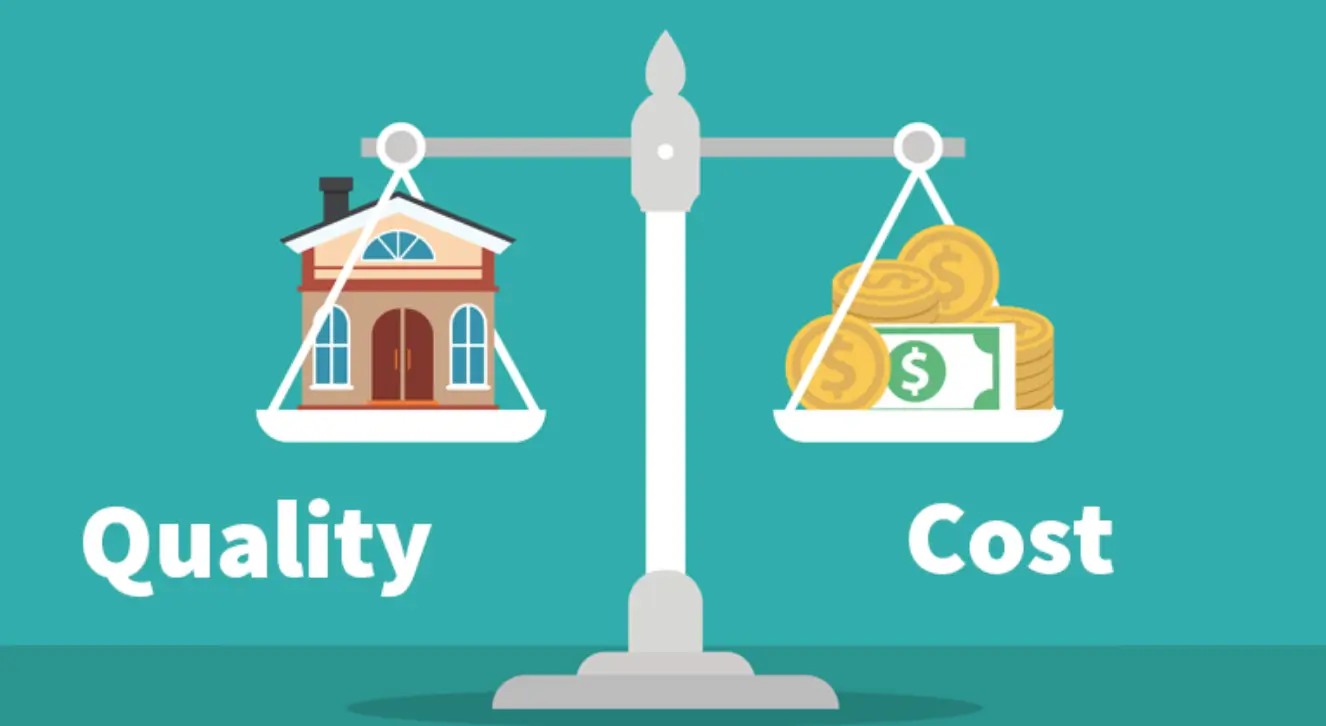
A business case lands when COQ is expressed in unit economics and timing. One supplier might bid lower unit prices yet drive a higher first-pass failure rate and more expedites; another might carry a slightly higher price but offer stable capability indices (Cp/Cpk) and predictable OTIF. During inflationary periods, this trade-off sharpens: paying for prevention can be cheaper than financing failure.
In benchmarking studies, the cost of poor quality has been observed to range from low single digits to more than 20% of sales, depending on industry and process maturity. Credible sources such as ASQ discuss these ranges and the mechanisms behind them, which underscores the scale of value at stake.
Data Foundations for Quality Economics
A practical COQ framework starts with a minimum data set tied to every line item and incident:
- Quality measures: PPM/DPMO, first-pass yield, defect codes, containment actions, and time-to-corrective action (TTCA).
- Delivery and execution: OTIF by supplier/site, line-down minutes, and expedite count.
- Financial tags: rework hours × labor rate, scrap value, warranty cost per unit, and logistics premiums.
- Reference context: specification revision, approved alternate materials, and PPAP/FAI status.
Normalization matters. Activity-based rates keep rework costs comparable across plants. Standard scrap valuation prevents “savings” from moving with accounting rules rather than real corrections. Exchange-rate treatment and inflation indexing should be consistent so that trendlines reflect performance, not currency noise.
From Symptoms to Root Causes
Several root causes sit upstream of the factory floor:
- Supplier-side drivers. Material variability increases when raw inputs are substituted without formal deviation; process capability slips when capacity is stretched; inadequate PPAP/FAI introduces unknowns into first runs; training gaps surface after turnover.
- Buyer-side drivers. Over-tight tolerances push processes outside capable windows; forecast volatility creates rush orders and more escapes; spec changes without structured change control spawn mixed revisions in the vendor’s WIP; incoming inspection plans misalign with defect modes, catching the wrong signals.
Closing the loop requires a joint CAPA that pairs costed incidents with contract obligations and future checks. When corrective actions include a measurable “defect-per-thousand cut” and a target date, the next quarter’s COQ dashboard shows it, or exposes why it didn’t land.
Quantifying Defects and Rework in Financial Terms
Quality metrics become operational priorities once they translate to cash. A simple model attaches cost tags to each incident type:
- Scrap. Material value + handling + disposal, adjusted for recovery.
- Rework. (Technician hours × loaded labor rate) + consumables + queue delay cost.
- Delivery misses. Expedite freight + line-down minutes × throughput contribution margin.
- External failures. Warranty payment + returns logistics + field service + lost-sales proxy if applicable.
Operating Rhythm and Governance
A quality-through-procurement playbook sets expectations before the first PO. Clause libraries specify warranty windows, containment triggers, and chargeback mechanics. Supplier scorecards weight prevention and stability using a handful of visible inputs: first-pass yield, OTIF, defect codes per thousand, and corrective-action lead time.
Governance turns weekly abnormalities into monthly course corrections and quarterly strategy:
- Weekly. Exception stand-ups: top incidents by cash impact, immediate containment, owner, and expected recovery date.
- Monthly. COQ dashboard review: trend vs. target for prevention/appraisal/failure buckets, with a short list of systemic fixes.
- Quarterly. Supplier business reviews: verified improvement vs. last CAPA set, upcoming changes to specs or volumes, and re-tiering decisions.
Regulatory and compliance scaffolding provides the guardrails. Clear audit trails for approvals and change control reduce the chance of silent spec drift. ISO 9001-aligned processes encourage preventive actions and evidence-based decisions; authoritative interpretations outline why consistent documentation and risk-based thinking lower failure rates. A well-structured operating rhythm also makes it easier to survive external audits without “binder hunting.”
Independent research has linked “touchless” straight-through invoice rates and clean three-way matches with lower exception handling costs and fewer procurement-to-payment errors. In surveys of finance leaders, higher touchless rates often correlate with fewer quality escapes that originate in mismatched data and uncontrolled changes, which is a reminder that clean upstream processes reduce downstream friction.
Bringing Finance Into the Conversation
Finance teams care about realized benefit, not theoretical savings. Express improvements as:
- Warranty cost as a percentage of sales, quarter over quarter.
- Rework hours per thousand units and the associated labor cost trend.
- Expedite spend and line-down minutes as a share of throughput contribution.
- Price realization vs. contracted rates after corrective actions reduces mismatch.
One final habit transforms COQ from a project to a practice: make the remediation backlog public, prioritized by cash impact and lead time. When teams can see that a supplier audit or tolerance reset will “buy back” a measurable number of dollars next quarter, prevention ceases to be discretionary.