How to Choose the Right Warehouse Storage Solution for Your Business
Warehouse storage solutions are now strategic assets—improving efficiency, scalability, and automation in response to rising demand and labor shortages in 2025.
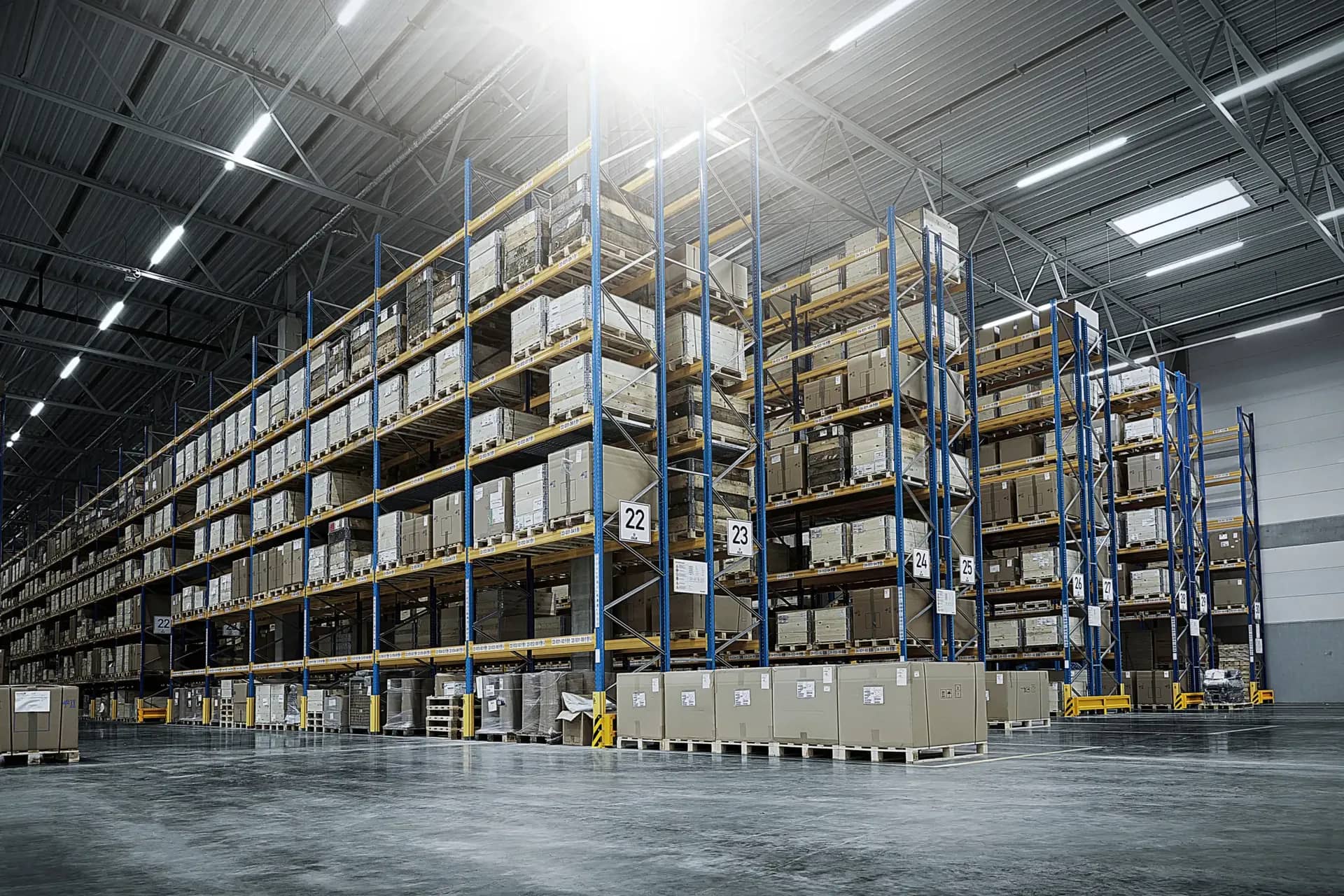
Modern warehouses are experiencing increased pressure due to rising order quantities, SKU counts, labor shortages, and higher expectations for customer service. Storage solutions have gone beyond conventional inventory storage systems since they directly affect the speed, efficiency, safety, and scalability of fulfilling orders. Warehouse storage solutions have, therefore, become strategic decisions rather than simply operational decisions.
With the growing integration of robotics technology in material handling systems, the companies would have better opportunities to facilitate space optimization and reduction in operating expenses. While the selection of a storage system can turn out to be a prudent option for companies, complete knowledge about storage requirements in a warehouse and future expansion strategies has to be ascertained. This article describes considerations companies need to make when selecting a storage system.
Why Storage Strategy Matters in 2025
In fact, storage systems are the basis for the operation of warehouses. Storage impacts both efficiency in inventory movement and accuracy in orderliness. Nowadays, with a growing amount of e-commerce and omnichannel order fulfillment, warehouses must incorporate storage solutions that boast flexibility, efficiency, and automatic capabilities. Such storage systems with automatic handling systems will improve processing speed, accuracy, and robustness in a complicated supply chain.
Critical Factors to Consider When Choosing a Warehouse Storage Solution
1. Space Utilisation and Layout
A decision regarding a storage solution has to take into consideration a complete analysis of existing floor space and vertical height. Many storage solutions that are already installed in a warehouse are not capable of utilizing available vertical space efficiently. The analysis of storage solutions in terms of available racking options, aisle width, and storage capacity can ensure maximum utilization of space within a warehouse without increasing its size. This could be possible with high-density storage solutions, shuttle systems, and vertical storage solutions.
2. Type of Inventory and SKU Characteristics
Different products have varying demands; those that are in high demand can, therefore, be arranged in an easy-access storage space, while others can be stored in a higher-density space. Some of the factors considered would be weight, size, fragility, and also the basic requirements of storage. Moreover, assessment and scrutiny of storage systems with respect to automation integration is highly recommended since such organizations might want to engage in storage automation in the future years.
3. Throughput Requirements
Throughput requirements have a very important role in storage selection. Enterprises need to assess their present picking speed requirements, order volume, and projected variation during peak hours. A storage solution efficient in low volume operations may not be suitable for higher throughput requirements. Storage solutions matching with order profiles can smoothen material flow and allow uniform order fulfillment.
4. Scalability & Future Readiness
The warehouses have to be ready for future expansion. The warehouse storage solutions will need to support expansion without major renovation work. Modular storage systems, pallet shuttle systems, and designs compatible with ASRS systems can easily be extended according to demand for space. Being future-ready also means achieving integration with new technology in case the level of complexity increases.
5. Integration with Automatic Material Handling System
Storage systems cannot operate in a void. They need to be integrated with other automated handling systems like AMRs, conveyors, pallet shuttles, and robotic pick-and-pack systems. Such systems make the storage systems more accurate, less labor-intensive, safer to work in, and ultimately assure a better process flow right from storage to picking.
6. Safety and Compliance
The factors of safety in the design of storage solutions cannot be overlooked. Matters such as load-bearing capacities, fire safety standards, aisle widths, and designer accesses will have to be considered. A safe storage system prevents hazards linked to manual handling, unstable stacking, and congested paths of movement. Automation adds to the safety dimension by reducing direct involvement in hazardous operations.
7. Cost Drivers & Life Cycle Value
Although the investment in setting up a storage system is very important, companies should be able to look at other aspects of the investments, such as return on investment over time. Certain variables are hence considered to be contributive to the total cost of ownership, including the maintenance of the storage system, energy efficiency, and readiness towards supporting automation.
Advantages of Using Storage Installed with Advanced Automation in a Firm
Highly automated solutions have their important role in improving storage space efficiency. Robots, ASRS, and smart application software allow higher storage capacity, accuracy of selection, and online inventory viewing. With the help of automated material handling solutions, one can cut travel time, improve accuracy, and provide guaranteed processing capacity. The integrated storage solutions and automation go hand in hand to improve efficiency, flexibility, and full control of the storage space.
Addverb: How They Build Integrated Storage & Automation Ecosystems
Addverb is a company specializing in creating an integrated ecosystem of storage and automation solutions to meet the dynamic requirements of a contemporary warehouse. Addverb’s product offerings include advanced storage solutions, ASRS, robotic solutions, and intelligent software solutions. Addverb is a company with full in-house capability to manufacture both hardware and software solutions. The in-house capability of Addverb ensures seamless integration in both greenfield and brownfield projects. With Addverb solutions, businesses can maximize their storage space and optimize storage systems to match their future requirements.
Conclusion
Choosing an apt storage solution for warehouses is critical to achieve efficiency, scalability, and competitive superiority in today’s supply chain environment. Organizations need to assess space, product type, processing requirements, safety, and future automation capabilities before taking an informed step towards making a selection. When storage systems can be integrated with automated handling solutions, they help improve performance capabilities. With storage and automated solutions in place, companies like Addverb assist warehouses in developing dynamic operations to keep pace with future requirements.
The weekly question
From obsession to clarity — one original question every week.
We answer one noisy topic at a time, in full. No daily roundup, no thread bait — just the question, the principles, and the system.