
Copa di Vino After Shark Tank: Two No-Deals and a New Chapter
Copa di Vino left Shark Tank twice without a deal. Explore its later asset acquisition, licensing changes and what current evidence establishes.

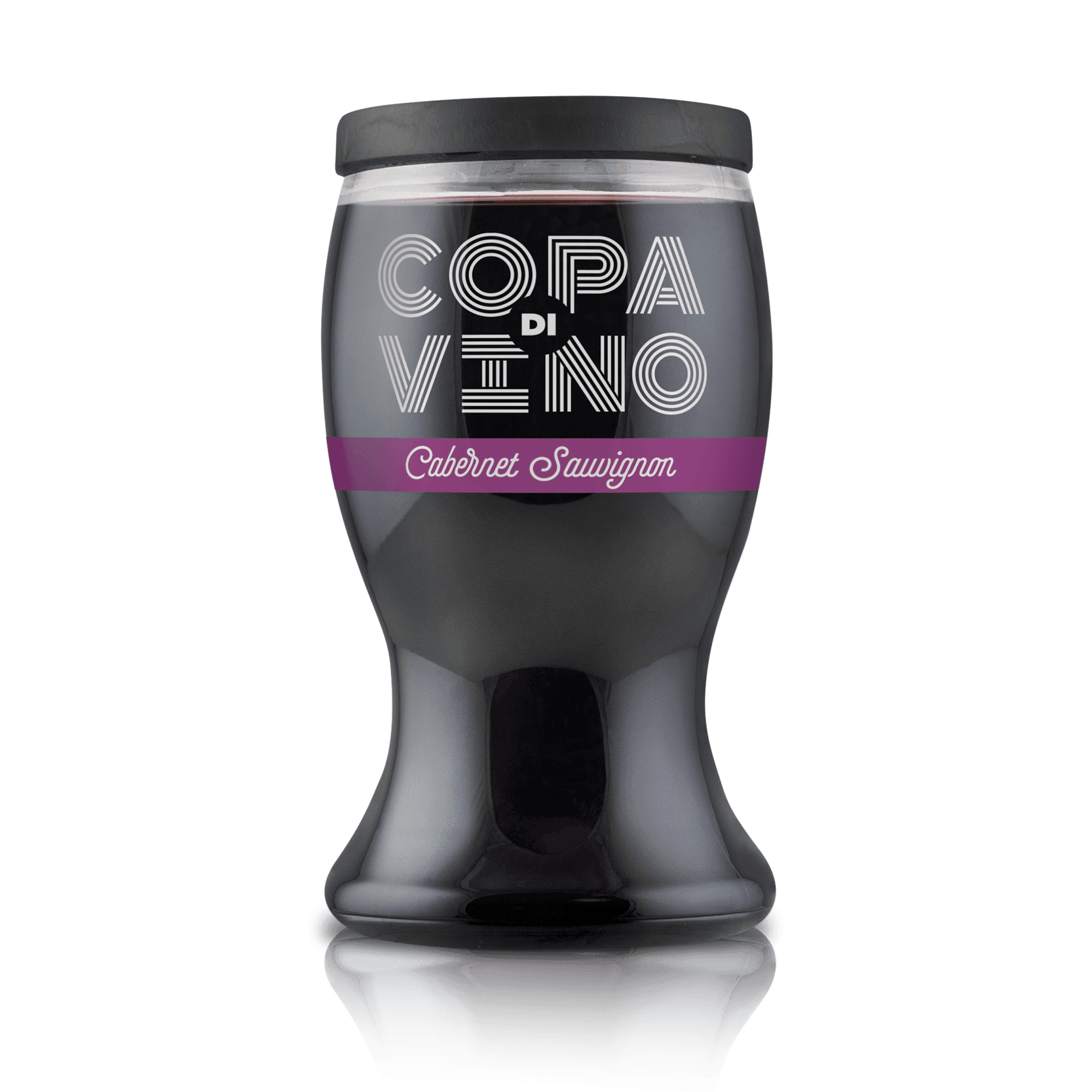
Opening a bottle of wine is not always convenient when someone wants only one serving. Copa di Vino put the wine and its drinking container together: a sealed portion that could be opened without a corkscrew or a separate glass.
James Martin brought that idea to Shark Tank, where the discussion quickly became about more than wine. Was the opportunity the branded drink, the packaging technology, or a business that combined both? The disagreement helped define one of the show’s more memorable returning pitches.
Martin left without investment twice. Copa di Vino nevertheless developed a business history beyond the Tank, including a later asset acquisition and licensing changes. Those developments matter more to an accurate update than repeating an old sales claim as a current valuation.
The latest evidence also requires care. A public company’s decision to discontinue its own operations does not automatically mean a brand has vanished. Here is what the pitch, acquisition announcement and later disclosures establish, and what they leave unresolved.
Copa di Vino after Shark Tank: Quick Answer
If you are short on time, Copa di Vino did not secure a Shark investment in either of James Martin’s televised appearances. His original pitch aired in Season 2, and he returned for a separate Season 3 negotiation.
The business later became the subject of a 2020 asset acquisition by Splash Beverage Group. Subsequent public filings describe a licensing arrangement and the acquiring company’s decision not to restart the product line itself. These are different events from the original no-deal pitches.
Current status: Copa di Vino’s brand website remains accessible. Current ordering and fulfillment were not independently verified. The available corporate disclosures support a changed operating arrangement, but not a simple claim that the brand is either thriving or entirely closed.
Product snapshot
| Detail | Background |
|---|---|
| Brand | Copa di Vino |
| Founder who pitched | James Martin |
| Product | Wine in a sealed single-serving container |
| Category | Packaged alcoholic beverages |
| First appearance | Season 2, Episode 1 |
| Later appearance | A separate Season 3 pitch |
| Current evidence | Brand website and public corporate disclosures |
What is Copa di Vino?
Copa di Vino combines a serving of wine with the container used to drink it. The convenience comes from reducing the steps between purchase and consumption.
A customer does not need to buy a full bottle for one portion or find a separate glass. For a venue, a pre-portioned product can also change how a drink is stocked and served. Whether that is commercially worthwhile depends on the cost and selling environment.
The official brand website presents the range and packaging. Its continued existence establishes a brand presence, but a website alone does not establish current production volume or delivery performance.
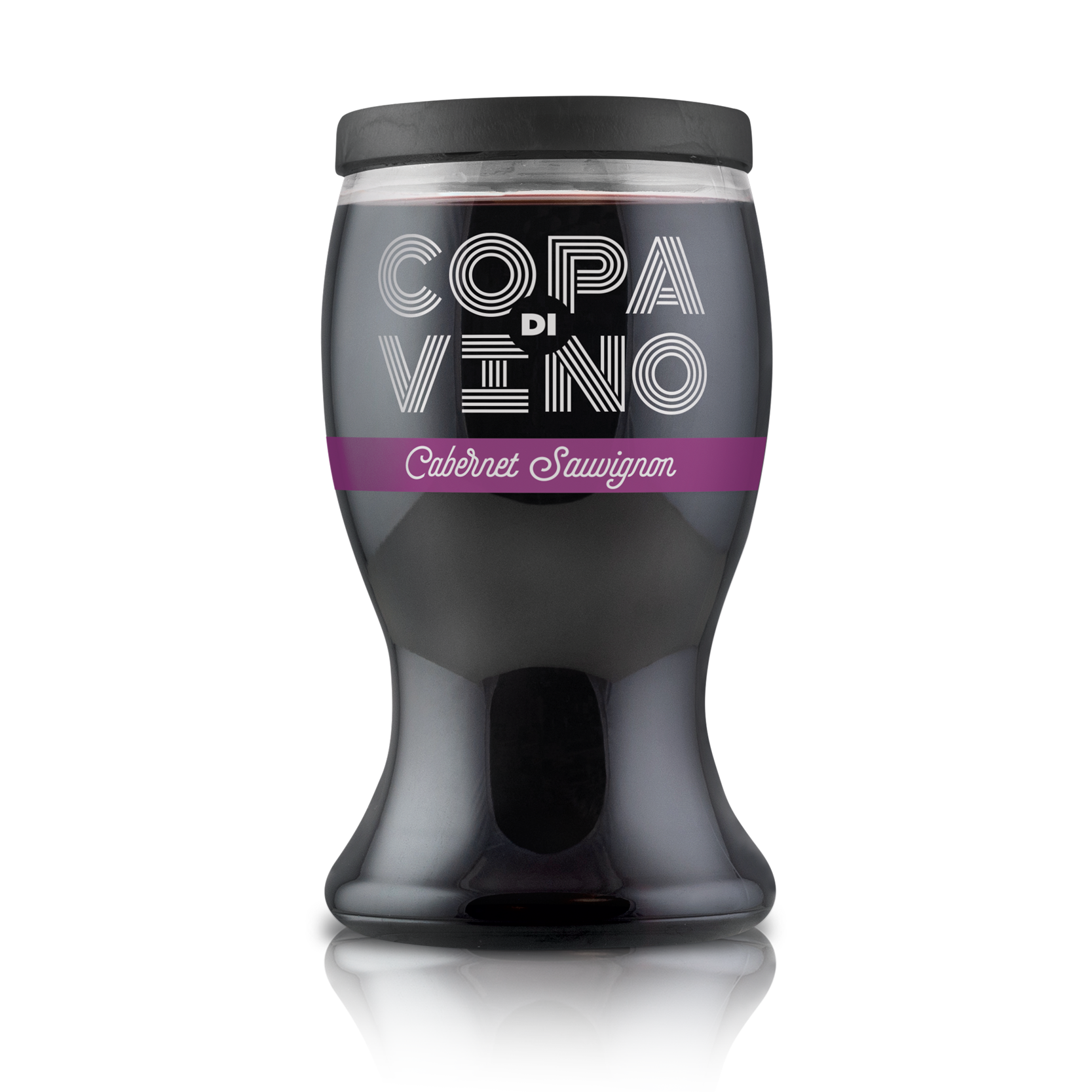
A Copa di Vino product image showing the individual serving format. Photo: Copa di Vino.
The idea should be understood as both a beverage and a packaging proposition. A good drink still needs a way to reach customers. A convenient container still needs a product people want to buy again.
That combination explains the commercial tension in the pitch. Different investors could value different parts of the same business.
Who founded the business, and why did the Sharks disagree?
James Martin was the founder who presented Copa di Vino. His ABC News interview discusses the two appearances and the disagreement over separating the packaging opportunity from the wine business.
The dispute was strategic. A licensing approach could focus on allowing other businesses to use technology. Building a branded wine product requires attention to production, distribution and demand for the drink itself.
Neither description automatically makes one approach better. They involve different risks, responsibilities and ways of earning money. A founder and investor need to agree on which opportunity they are financing.
Martin wanted to retain the combined business. The parties did not reach an agreement, and the later return to the Tank did not resolve the underlying issue.
This is a useful distinction from personality-driven retellings. The television exchange was memorable, but the business question was concrete: which assets would a partner receive, and what would the resulting company do?
What happened in the two Shark Tank pitches?
Copa di Vino’s first appearance belongs to the premiere of Shark Tank USA Season 2, broadcast on March 20, 2011. Martin left without a deal and later returned in Season 3.
Two appearances, two no-deal outcomes
| Appearance | Main business issue | Result |
|---|---|---|
| Season 2 | Whether to back the combined wine and packaging business | No investment |
| Season 3 return | A renewed negotiation around the same business | No investment |
| After the show | Growth and later ownership arrangements outside the Sharks | Separate from either pitch |
This update does not use a disputed original equity percentage to calculate a valuation. The supported outcome is that no Shark investment resulted from either appearance.
The two appearances should also remain separate in season directories. A returning entrepreneur is not two original Season 2 companies, and later performance should not be folded into the original pitch as if it were known at the time.
Other businesses in that first Season 2 episode followed different paths. Wurkin Stiffs and Tippi Toes accepted offers that did not close. Chef Big Shake left without one and later pursued additional food ventures.
Together, those cases show why a directory needs separate fields for the televised outcome and the later business history.
How does the single-serving wine model work?
The product sells convenience alongside the wine. Its format may suit customers and venues that want an individual portion without opening a bottle.
That benefit comes with trade-offs. Individual packaging adds material and handling requirements. Distribution has to reach places where the convenience matters enough to support the selling price.
Business-model comparison
| Route | What is sold | Main commercial question |
|---|---|---|
| Branded wine product | A packaged drink | Will customers and venues repeatedly buy this brand? |
| Distribution | Access to retail or hospitality buyers | Can the product reach enough suitable outlets? |
| Licensing | Agreed rights to technology or other assets | Can another operator commercialize those rights effectively? |
These routes can coexist, but their economics are not interchangeable. Sales of finished wine are different from income under a license. A company’s ownership of assets is different from another party’s right to operate with them.
The model also explains why historical retail counts need dates. A distribution announcement describes a relationship at a particular moment. It does not establish that every outlet still carries the product years later.
For founders, the practical lesson is to define the business clearly before negotiating investment. A potential partner interested in one component may not be offering to finance the full company the founder wants to build.
What happened after Shark Tank?
Latest update — November 18, 2026: Copa di Vino’s brand site remains online. Public filings describe changes to its operating arrangements, including licensing and discontinued operations at the acquiring company. Current consumer fulfillment was not confirmed in this review.
Splash Beverage Group announced an asset acquisition in December 2020. That is a documented later transaction, rather than a retroactive Shark Tank investment.
The announced transaction involved assets and obligations. It should not be simplified into a claim that Martin personally received the entire stated purchase price in cash.
Later SEC disclosures describe a 2025 license intended to allow another party to continue supplying customers. The issuer subsequently said it did not intend to relaunch the line itself.
Those statements identify the issuer’s position. They do not independently confirm the licensee’s current sales or prove that all Copa di Vino-branded activity ended.
What the evidence does and does not establish
| Evidence | Supported conclusion | Limit |
|---|---|---|
| ABC founder coverage | Two appearances ended without investment | Historical, not current financial reporting |
| 2020 buyer announcement | A later asset acquisition occurred | Not proof of an all-cash personal payout |
| Later corporate disclosures | Licensing and operating changes occurred | Not a current retail-stock audit |
| Brand website | The brand has an accessible online presence | Not proof of successful orders or profitability |
The distinction is especially important when a company’s accounting changes. “Discontinued operations” describes how a business activity is treated by that reporting entity. It should not automatically be rewritten as “the product is no longer sold anywhere.”
Equally, a surviving logo and product page should not override a filing. The sound conclusion is that the operating history changed and current fulfillment needs direct confirmation.
Is there a verified current net-worth figure?
No reliable current brand valuation or founder net worth was established by this research. Historical sales claims, acquisition consideration and a public parent company’s share price measure different things.
A dated sales report can describe past activity. A transaction can show what parties agreed to exchange. Neither is a shortcut to what the brand or founder is worth today.
Where can customers check availability?
Start with the brand’s current contact and product channels, then confirm availability with the seller. Check the exact product, stock status, delivery area and final price.
This review does not recommend treating old retailer lists as current stock information. It also does not assume that an accessible shopping link means an order will be fulfilled.
For an event or venue, supplier confirmation matters even more. The business needs reliable delivery and sufficient stock, not just evidence that a familiar product existed after a television appearance.
The product contains alcohol. Its convenience format does not change the need to follow the seller’s age and delivery requirements.
Lessons from Copa di Vino, and FAQs
Copa di Vino illustrates how a negotiation can fail because the parties want to build different businesses. One sees a brand and finished product; another sees a technology that could be licensed.
Its later history adds another lesson: ownership, licensing and operating responsibility can change independently. A good update follows those changes instead of reducing the entire journey to a no-deal success headline.
For readers, the clearest conclusion is that Martin received no Shark investment, the business later entered an asset transaction, and public disclosures show subsequent operating changes. Present availability and current value remain separate questions.
Did Copa di Vino get a deal?
No. James Martin left both televised appearances without a Shark investment.
Was Copa di Vino in Season 2 or Season 3?
Both. Its original pitch aired in Season 2, and Martin returned for a separate Season 3 negotiation.
Was Copa di Vino acquired?
Splash Beverage Group announced an asset acquisition in December 2020. That transaction should be distinguished from a sale of the founder’s personal assets.
Is Copa di Vino closed?
The available evidence does not justify a simple brand-wide closure claim. The acquiring company reported discontinued operations and a licensing arrangement; current fulfillment was not verified.
What is Copa di Vino worth now?
A reliable current valuation has not been established.
Can I still order it?
Confirm current stock and delivery directly with an authenticated seller. The brand site remains accessible, but this review did not test order fulfillment.
The weekly question
From obsession to clarity — one original question every week.
We answer one noisy topic at a time, in full. No daily roundup, no thread bait — just the question, the principles, and the system.


