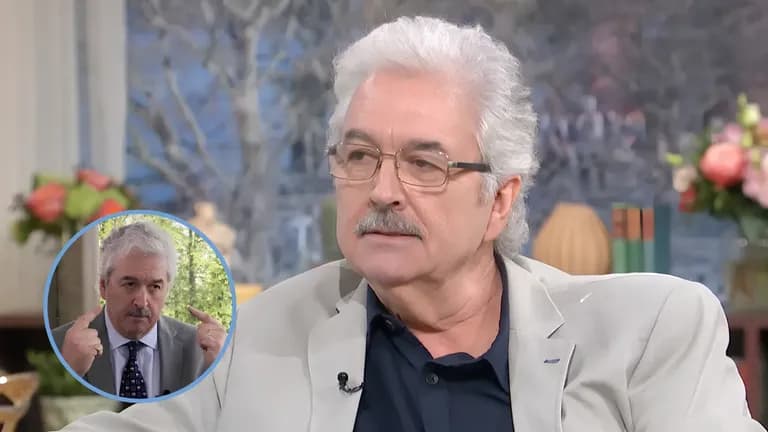
Clive Wearing Lives in a Present That Lasts Only Seconds
A brain infection left musician Clive Wearing with profound amnesia, yet music and emotional attachment remained powerful parts of his life.
Clive Wearing was a conductor, singer and musicologist when herpes encephalitis attacked his brain in 1985. The infection left him with profound amnesia: he struggled to form new episodic memories and retained only fragments of his past.
A continually restarting present
Wearing often experienced consciousness as if he had just awakened. His diaries filled with repeated declarations that he was conscious for the first time, with earlier entries crossed out.
The case is frequently described as one of the most severe known examples of amnesia. Yet the word “memory” hides several different systems.
Music remained
Wearing could still sit at a piano, read music and perform. Procedural knowledge—the learned skills involved in playing—was far more durable than his ability to remember a recent conversation. He also consistently showed deep affection for his wife, Deborah.
1985
Year encephalitis struck
Seconds
Typical span of continuous new recall
Multiple systems
The central lesson about memory
Source: Clinical accounts and Deborah Wearing’s memoir
More than a neurological example
Clive Wearing’s life is not simply a puzzle used to explain the brain. It is an ongoing human relationship shaped by care, repetition, music and emotion.
His case helps demonstrate that episodic memory, procedural skill and emotional response are related but not identical. Damage can devastate one system while leaving meaningful capacities in others.
Sources
The weekly question
From obsession to clarity — one original question every week.
We answer one noisy topic at a time, in full. No daily roundup, no thread bait — just the question, the principles, and the system.