Claude Shannon Found the Mathematics Hidden Inside Every Message
Claude Shannon transformed information theory through ideas that still shape modern technology.
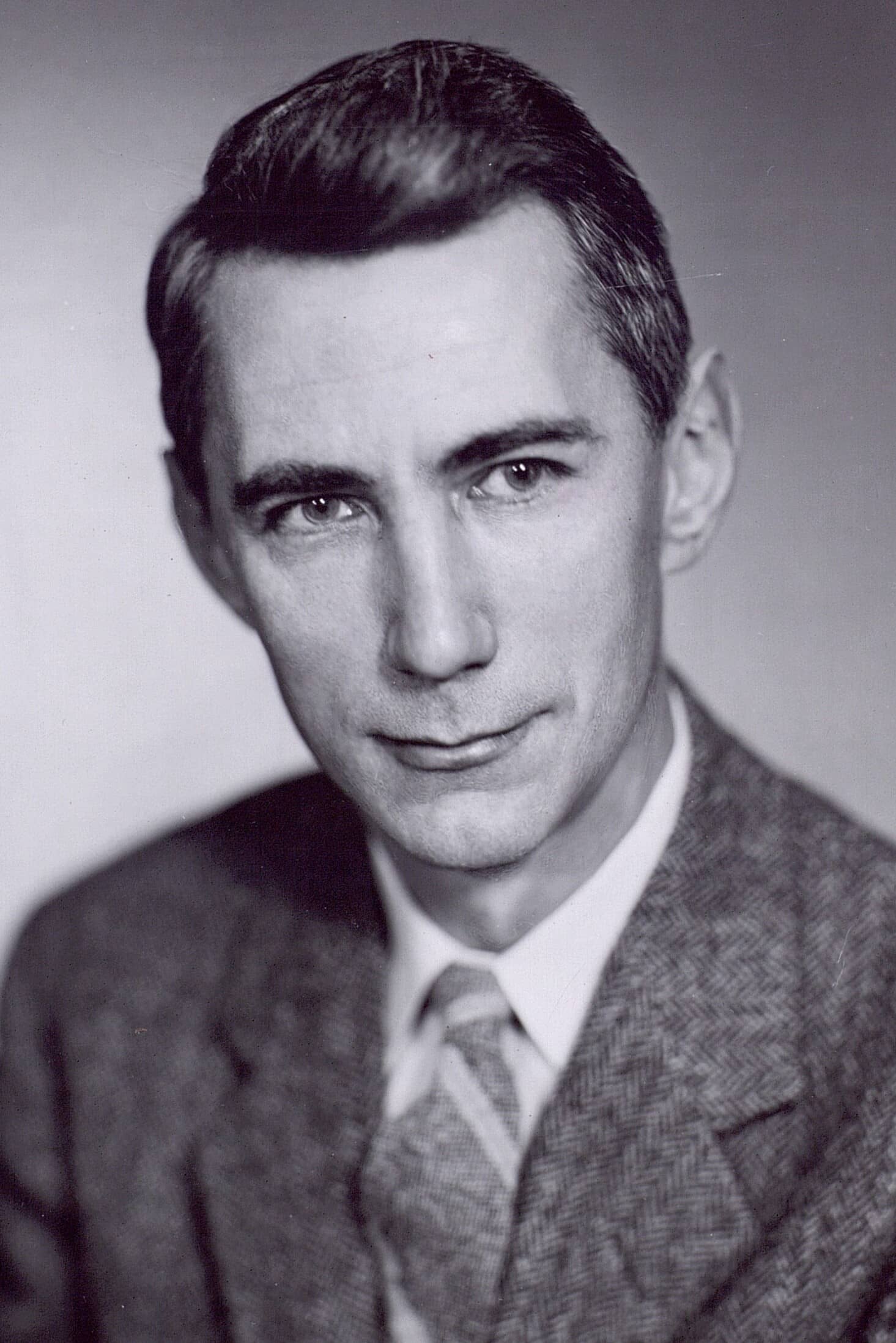
Claude Shannon treated communication as a mathematical problem. By separating a message’s meaning from the machinery that carries it, he created a framework that still governs digital networks, storage and compression.
1916–2001
Life
Information theory
Field
The bit
Defining milestone
Circuits became algebra
As a young researcher, Shannon showed that Boolean algebra could describe relay and switching circuits. That insight gave engineers a systematic language for designing digital hardware instead of relying only on trial and error.
A mathematical theory of communication
His landmark 1948 paper defined information, entropy and channel capacity. It explained how much data a channel can carry and how clever encoding can overcome noise. The binary digit—or bit—became the basic unit of this new science.
Playfulness powered the theory
At Bell Labs, Shannon built juggling machines, chess devices and a maze-solving mechanical mouse. These were not distractions: they reflected a mind obsessed with turning uncertainty into something measurable and buildable.
Why Claude Shannon still matters
Claude Shannon’s work changed the questions engineers and researchers could ask—and the systems they could build. The clearest thread is an obsession with turning abstract ideas into durable tools.
The weekly question
From obsession to clarity — one original question every week.
We answer one noisy topic at a time, in full. No daily roundup, no thread bait — just the question, the principles, and the system.