Clara Schumann Built a Concert Career Across Six Decades
Clara Schumann rose from child prodigy to one of Europe’s most respected pianists, sustaining a six-decade career while composing and shaping the classical canon.
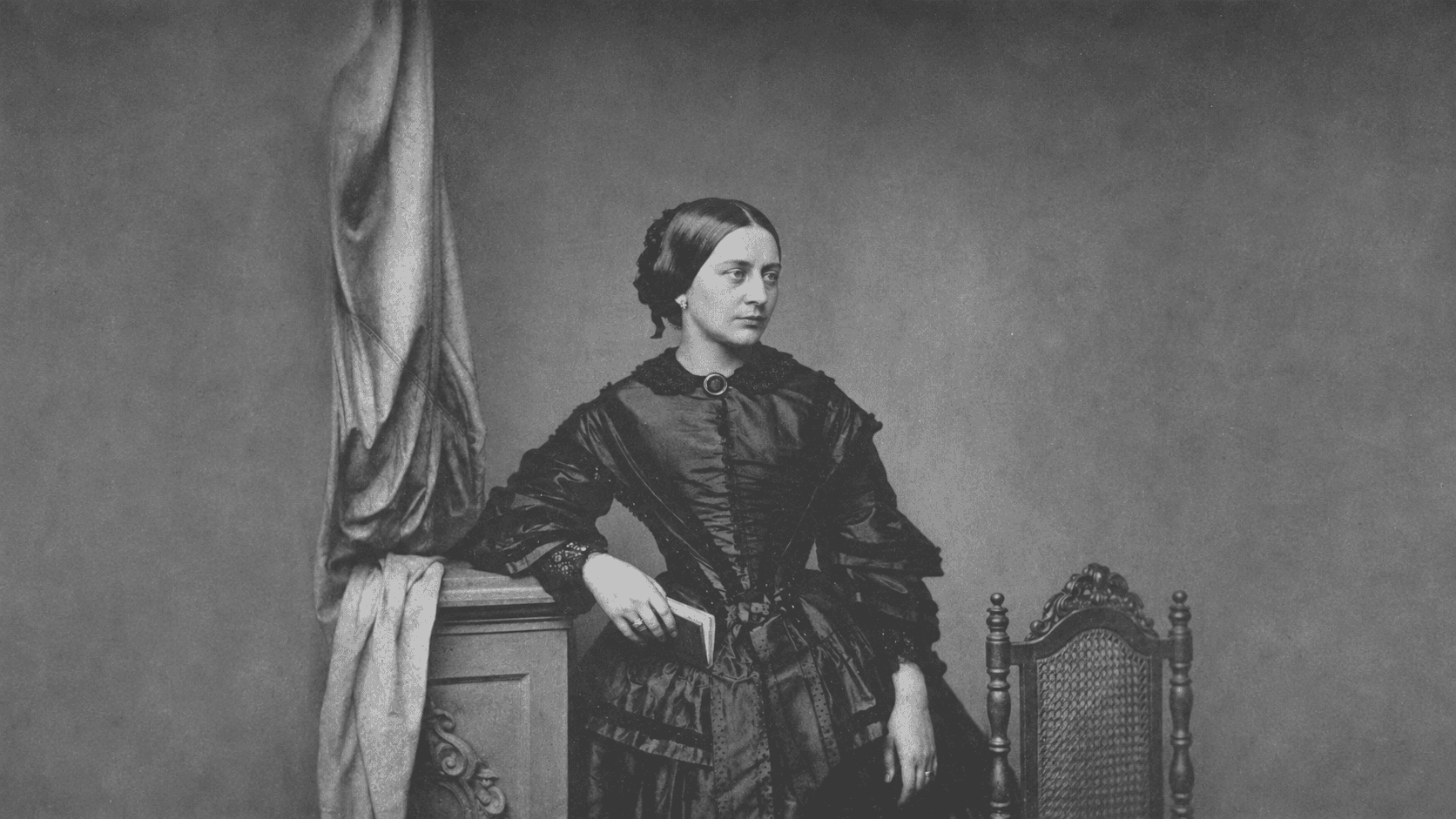
Clara Schumann was not simply the wife of a famous composer. She was one of the 19th century’s most important concert pianists—a child prodigy who built a career lasting more than six decades, composed ambitious music and helped define which works entered the modern repertoire.
Born Clara Wieck in Leipzig in 1819, she began intensive musical training under her father, Friedrich Wieck. Her childhood was organized around piano practice, theory, composition and performance. She made her formal Gewandhaus debut at nine and soon toured as a young virtuoso.
A formidable musician from childhood
By her teens, Clara was performing in major European cities. She also composed: her Piano Concerto in A minor, begun when she was 13, received its premiere with Clara as soloist at 16.
Her marriage to Robert Schumann in 1840 followed a bitter legal battle with her father. The partnership was musically rich but complicated by domestic responsibilities, Robert’s illness and the need to support a growing family.
1819
Born
Leipzig
Age 9
Public debut
Gewandhaus concert
60+ years
Career
International concert pianist
76
Died
Frankfurt, 1896
Performance became her platform
Clara returned to touring even while raising children. After Robert’s death in 1856, performance and teaching were essential sources of income. Audiences admired her technique and seriousness of purpose.
When programmes often favoured flashy novelties, she championed Bach, Beethoven, Chopin, Mendelssohn, Brahms and Robert Schumann. Her choices helped move recital culture toward sustained engagement with masterworks.
The composer she was
Clara wrote songs, piano pieces, chamber music and a piano concerto. Her Piano Trio in G minor is among her most substantial works. Yet composition became less central as performance, family pressures and 19th-century expectations narrowed her time.
Her surviving music reveals lyrical invention, structural control and a sophisticated understanding of the piano.
Why Clara still matters
Clara Schumann combined virtuosity, interpretation, composition, teaching and advocacy at the highest level. She preserved and promoted Robert’s music, but her influence extended far beyond it.
Her obsession with piano excellence became the organizing force of an entire life. The concert culture she helped build—and the repertoire she defended—remain with us today.
Sources
The weekly question
From obsession to clarity — one original question every week.
We answer one noisy topic at a time, in full. No daily roundup, no thread bait — just the question, the principles, and the system.