Buzz Aldrin Walked on the Moon and Kept Pushing Toward Mars
Buzz Aldrin turned an obsession with astronautics and interplanetary travel into a defining achievement in human spaceflight.
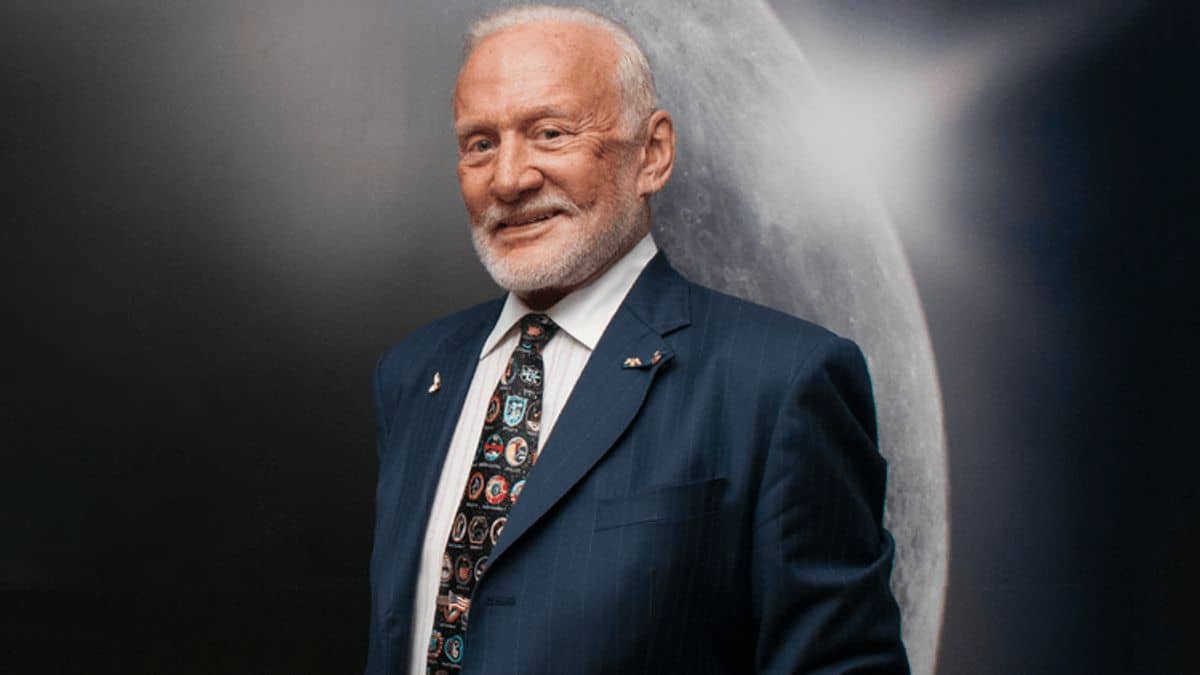
Buzz Aldrin followed Neil Armstrong onto the lunar surface, then spent decades arguing that humanity's next great destination should be Mars.
That achievement did not happen through luck. Buzz Aldrin was obsessed with astronautics and interplanetary travel, combining preparation, technical discipline, and a willingness to work in conditions where small decisions carried enormous consequences.
The path that prepared Buzz Aldrin for space
Before the achievement that made the name famous, Buzz Aldrin flew combat missions in Korea and earned a doctorate in astronautics focused on orbital rendezvous.
This background mattered because early space missions demanded more than physical courage. Astronauts and cosmonauts had to understand complex systems, follow precise procedures, communicate under pressure, and respond when reality differed from the plan.
The work also required patience. Training compressed years of study, simulations, medical testing, and repeated practice into a single mission opportunity.
The mission that changed space history
Buzz Aldrin's defining assignment was Apollo 11. During that chapter, became the second person to walk on the Moon and helped conduct the first crewed lunar landing.
The achievement became a public milestone, but the mission itself was a team effort involving engineers, controllers, technicians, scientists, and other crew members. The visible moment rested on countless tests and decisions made long before launch.
1963
Joined NASA's third astronaut group
1966
Performed three spacewalks on Gemini 12
20 July 1969
Walked on the Moon
After Apollo
Promoted concepts for sustained Mars exploration
Why the achievement was more than a record
Firsts attract attention because they create an easy dividing line between before and after. Yet Buzz Aldrin's importance reaches beyond a single record.
His technical work on rendezvous helped shape mission planning, while his later advocacy kept long-term human exploration in public discussion.
The story also shows that exploration is not only about reaching a destination. It is about building knowledge that allows the next crew to travel farther, remain longer, and work more safely.
The discipline behind the public image
Spaceflight often looks effortless in photographs. In reality, the work involves uncomfortable suits, crowded spacecraft, strict schedules, physical risk, and constant attention to detail.
Buzz Aldrin's career demonstrates why preparation matters. Piloting skill, scientific knowledge, fitness, and teamwork all become part of the same survival system once a crew leaves Earth.
That combination explains the obsession with astronautics and interplanetary travel. It was not simply a personal interest. It was a way of mastering the tools needed to operate beyond the familiar world.
Why Buzz Aldrin still matters
The most durable lesson is that historic achievements are built through repeated, often invisible work.
Buzz Aldrin remains part of space history because one mission changed what people believed humans could do. The record matters, but so does the preparation behind it and the opportunities it created for those who followed.
For readers looking at today's Moon and Mars programs, the story offers a useful reminder: every future first will depend on the same mixture of curiosity, technical skill, courage, and teamwork.
Primary reference: Official biography and mission information.
Featured image: official or openly licensed portrait, with the full face retained in the composition.
The weekly question
From obsession to clarity — one original question every week.
We answer one noisy topic at a time, in full. No daily roundup, no thread bait — just the question, the principles, and the system.