Breathometer After Shark Tank: The FTC Case Explained
Breathometer won a $1 million all-Shark deal before an FTC case challenged its accuracy claims. Here is what happened to the company and its devices.
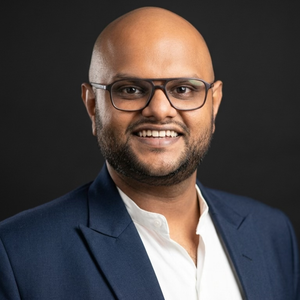
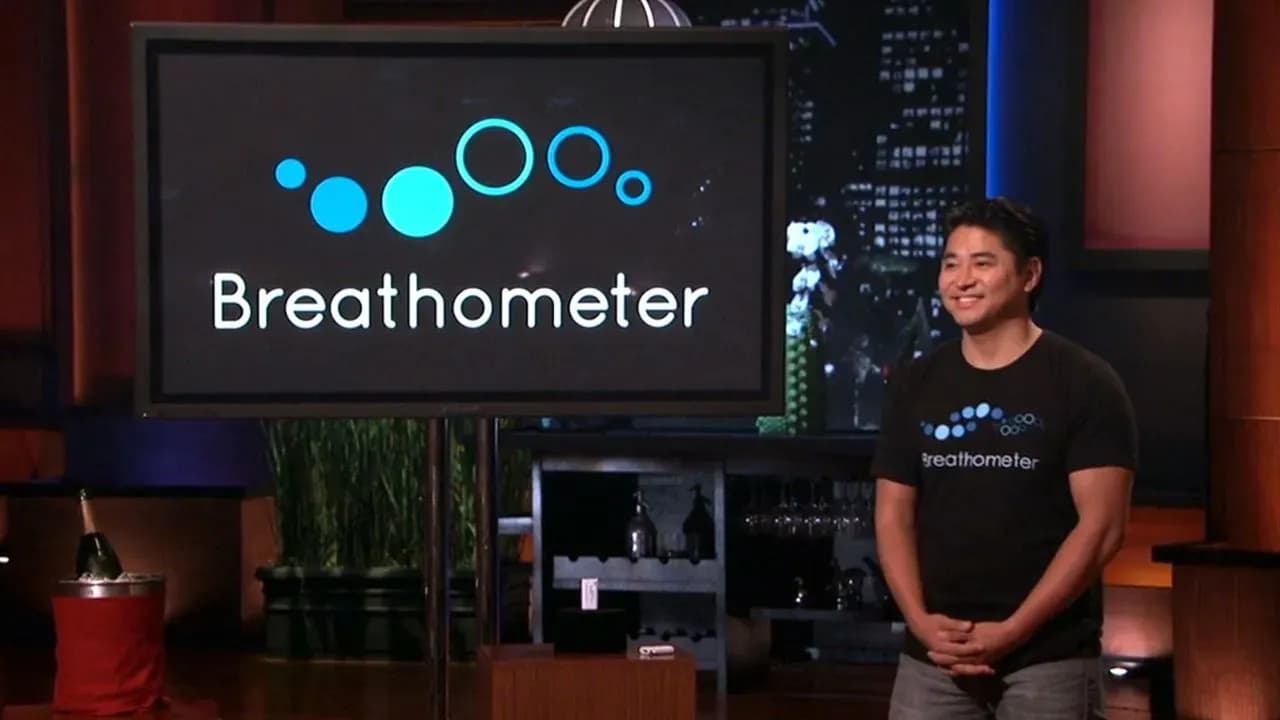
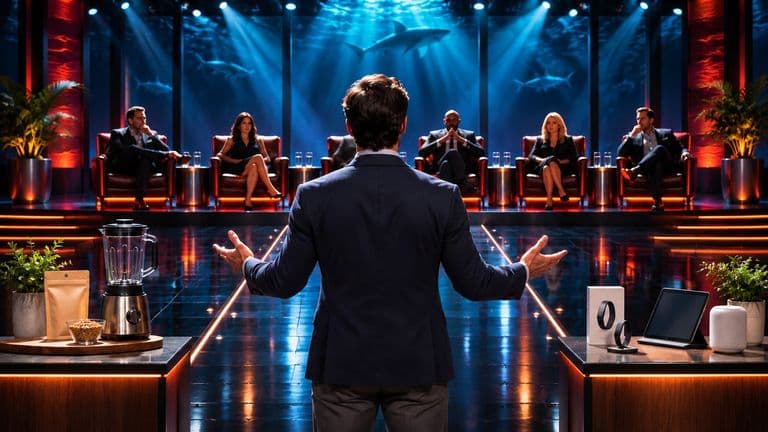
Charles Michael Yim brought a small smartphone attachment into Shark Tank and left with all five Sharks as investors. Breathometer promised to estimate blood alcohol concentration from a breath sample and help users make safer decisions after drinking.
The $1 million deal made television history, and orders rose quickly after the episode. The product’s most important story, however, came later. The Federal Trade Commission challenged Breathometer’s accuracy advertising, and a 2017 settlement required customer notices and refunds.
Breathometer no longer sells the alcohol-testing devices pitched on the show. The case is a documented example of why a safety product must support its marketing with appropriate testing.
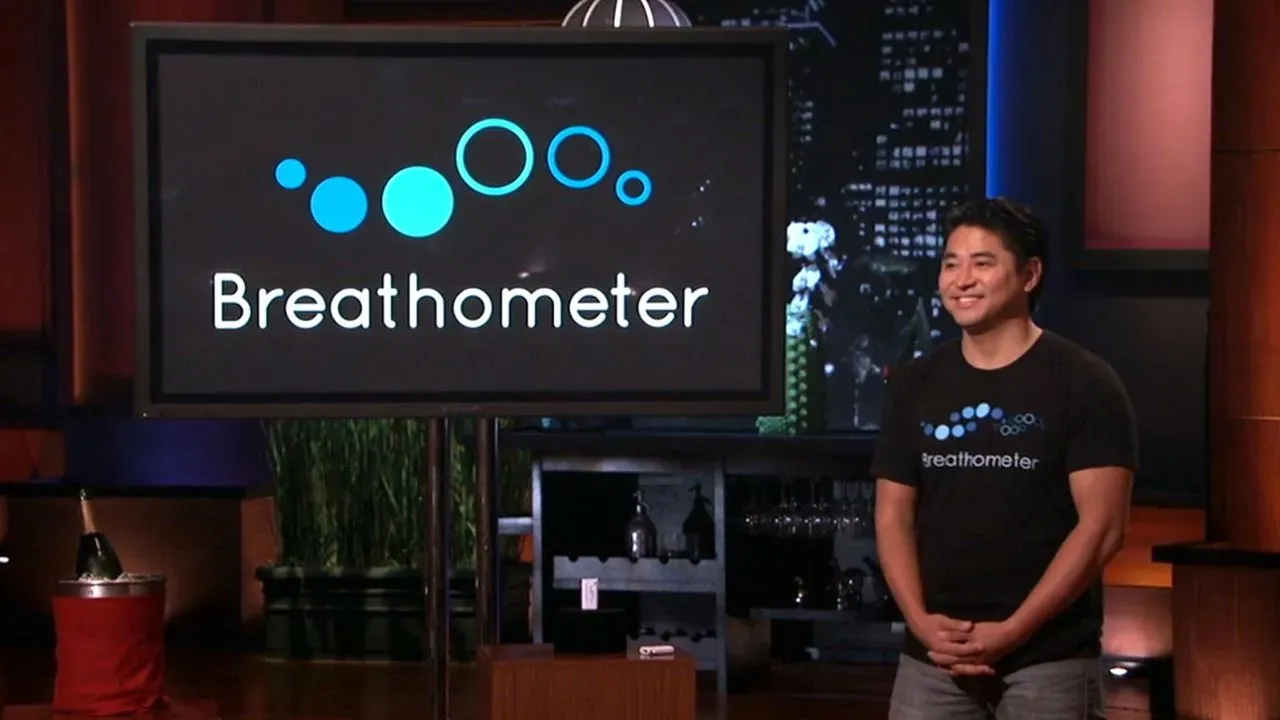
Breathometer received an all-Shark deal in Season 5, Episode 2.
Quick answer: Charles Michael Yim asked for $250,000 for 10% of Breathometer. All five Sharks ultimately invested $1 million for 30%. The company later stopped selling its Original and Breeze breathalyzers after the FTC alleged that accuracy claims were false or unsupported. Breathometer disabled the app’s breathalyzer function in 2016 and agreed to provide refunds in 2017. The original business is no longer operating as pitched.
| Product snapshot | Details |
|---|---|
| Company | Breathometer |
| Founder | Charles Michael Yim |
| Product | Smartphone-connected alcohol breathalyzers |
| Founded | 2012 |
| Shark Tank appearance | Season 5, Episode 2 |
| Investors | All five Sharks |
| Current status | Original breathalyzer business discontinued |
| Current product availability | Original and Breeze are not sold by the company |
What was Breathometer?
The first Breathometer was a compact sensor that plugged into a smartphone. A user breathed into the device, and the connected app displayed an estimated blood alcohol concentration.
The company later introduced Breeze, a wireless Bluetooth model. Marketing presented the devices as tools that could help a customer decide whether it was safe to drive.
That final promise made accuracy more than an ordinary product feature. An incorrect low reading could encourage someone to drive when impaired. The FTC later focused on the testing and advertising behind those claims.
| Product | Connection | Intended function | Later outcome |
|---|---|---|---|
| Breathometer Original | Smartphone audio port | Estimate alcohol level | Breathalyzer function disabled |
| Breathometer Breeze | Bluetooth | Estimate alcohol level wirelessly | Recalled from retail and included in refunds |
| Mint | Smartphone-connected oral sensor | Measure aspects of oral health | Separate product direction; no longer an active company line |
Breathometer should not be confused with professional law-enforcement equipment or current medical advice. The FTC settlement specifically addressed how the company described the accuracy of its consumer products.
Who founded Breathometer?
Charles Michael Yim founded Breathometer in 2012. He had previously founded Chatterfly, a mobile loyalty company acquired before his Shark Tank appearance.
Yim used crowdfunding and early outside capital to bring the first device toward production. That background helped him present a clear consumer problem, a compact demonstration and a plan for using the Sharks’ money.
The company’s later collapse led to public criticism from Mark Cuban. Cuban said Yim spent too much time traveling and called Breathometer his worst Shark Tank loss. Yim disputed that characterization and said company funds were not used for his personal travel. Public reporting establishes the disagreement but does not independently settle every spending allegation.
What happened on Shark Tank?
Yim asked for $250,000 in exchange for 10%, implying a $2.5 million valuation. The product and safety message attracted interest across the panel.
The negotiation expanded until Mark Cuban, Lori Greiner, Daymond John, Robert Herjavec and Kevin O’Leary jointly offered $1 million for 30%. Yim accepted.
| Deal snapshot | Details |
|---|---|
| Ask | $250,000 for 10% |
| Implied asking valuation | $2.5 million |
| Accepted investment | $1 million for 30% |
| Implied deal valuation | About $3.33 million |
| Investors | Cuban, Greiner, John, Herjavec and O’Leary |
| Deal closing | Founder interviews and follow-up coverage describe completed due diligence |
ABC’s post-show coverage reported that sales rose from about $140,000 before the broadcast to nearly $1 million within a few months. Those figures came from Yim and describe that period, not current revenue.
Breathometer appeared with Man Medals, Mango Mango and Kane & Couture. The products are listed in our Shark Tank Season 5 episode guide.
What did the FTC find?
The FTC filed its complaint and proposed settlement in January 2017. It alleged that Breathometer marketed the Original and Breeze as accurately measuring blood alcohol concentration without adequate scientific support.
The agency also said the company learned that Breeze regularly understated blood alcohol levels but continued selling it for a period before warning retailers and customers.
According to the FTC’s business guidance on the case, Breathometer disabled the app’s alcohol-testing function on October 6, 2016. The settlement required notices and full refunds for eligible customers who submitted claims.
| FTC action | Documented requirement or finding |
|---|---|
| Advertising claims | Accuracy claims were alleged to be false or unsubstantiated |
| App function | Breathalyzer feature disabled |
| Customer notice | Email and website notices required |
| Refunds | Full refunds required for eligible claims |
| Future marketing | Accuracy claims must follow specified testing standards |
The federal court order set out the refund process and restrictions on future claims. A settlement resolves a case without a trial determining every allegation, but its requirements are part of the public record.
What happened after the settlement?
The alcohol-testing products did not return to the market. The company had also explored Mint, an oral-health sensor, but Breathometer did not become an enduring consumer health platform.
Latest update, November 26, 2026: Breathometer’s Original and Breeze devices remain discontinued, the alcohol-testing function is disabled, and no active official product store was found. The company no longer operates as the breathalyzer business presented on Shark Tank.
Mark Cuban later identified Breathometer as his worst loss from the show. TechCrunch’s account records Cuban’s criticism of Yim’s execution and spending priorities. Yim publicly rejected the claim that he used company money for personal travel.
The FTC action is a stronger basis for explaining the product’s end than either side’s personal account. It directly documents the challenged advertising, disabled function and required refunds.
| Company timeline | Milestone |
|---|---|
| 2012 | Yim founds Breathometer |
| September 2013 | All five Sharks agree to invest $1 million |
| 2014 | Post-show sales and production expand |
| 2015 | Company decides to stop selling Breeze |
| October 2016 | Alcohol-testing function is disabled |
| January 2017 | FTC announces complaint and settlement |
| November 2026 | Original breathalyzer business remains discontinued |
What can safety-product founders learn?
Breathometer’s central failure is documented in the gap between its marketing claims and the support required for them. A product used to make a driving decision needs stronger evidence than a novelty gadget.
Fast demand also does not remove testing obligations. The company received investment, retail exposure and a surge of orders, yet accuracy remained the issue that determined the product’s future.
Founder conduct became part of the public argument, but entrepreneurs do not need to choose between Cuban’s and Yim’s accounts to understand the case. The FTC order shows the practical standard: safety claims require appropriate substantiation before consumers rely on them.
Final take
Breathometer secured one of Season 5’s largest and most memorable deals. All five Sharks invested, and the company reported rapid sales after the episode.
The original products are now discontinued. The FTC settlement required notices and refunds after challenging the devices’ accuracy claims, and no verified current valuation exists for the former breathalyzer business.
Frequently asked questions
Is Breathometer still in business?
The original alcohol-breathalyzer business is no longer operating, and its devices are discontinued.
What was the Shark Tank deal?
All five Sharks invested $1 million for 30% of Breathometer.
Did the deal close?
Yim and contemporary follow-up coverage described completed due diligence and the Sharks as investors.
Why did the FTC act against Breathometer?
The FTC alleged that the company lacked adequate support for its accuracy claims and that Breeze could understate blood alcohol levels.
Were customers refunded?
The 2017 settlement required full refunds for eligible Original and Breeze customers who submitted claims within the specified period.
Can Breathometer be used today?
The company disabled the breathalyzer function, and the original products are no longer officially sold.
What happened to Charles Michael Yim?
Yim continued working in entrepreneurship after Breathometer. His personal net worth is not publicly verified.
What is Breathometer worth?
No verified current company valuation is available. The approximate $3.33 million figure was the valuation implied by the 2013 television deal.
The weekly question
From obsession to clarity — one original question every week.
We answer one noisy topic at a time, in full. No daily roundup, no thread bait — just the question, the principles, and the system.