Bobby Fischer Broke Soviet Chess Dominance in Reykjavík
Bobby Fischer turned competitive mastery into a record-setting career whose influence still reaches players today.
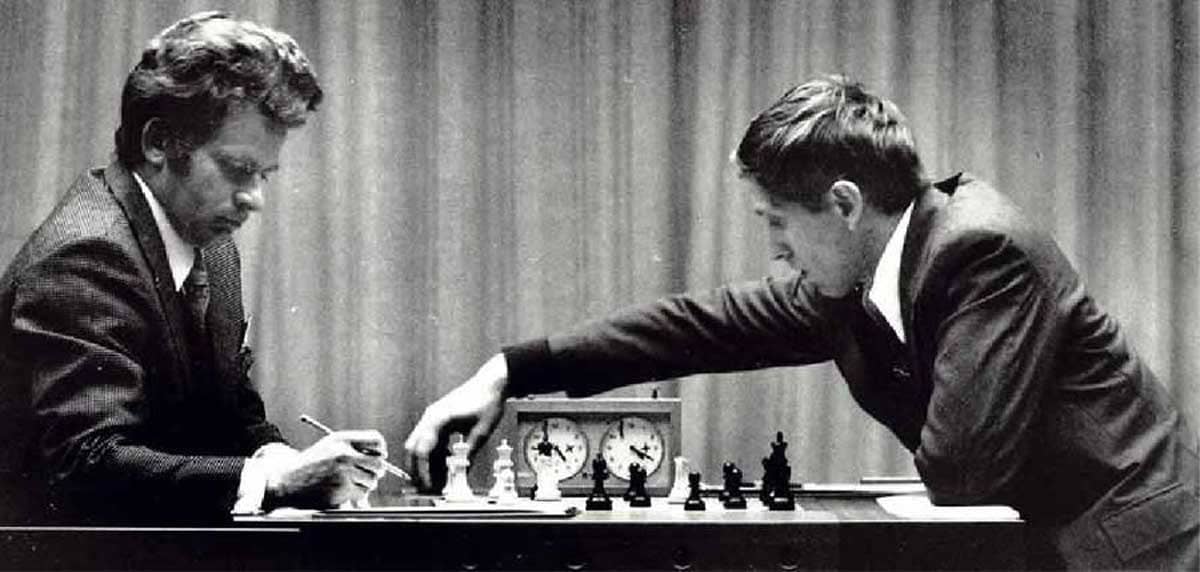
Bobby Fischer’s 1972 victory over Boris Spassky made an individual chess match feel like a global political event.
1943–2008
Life / age
1972 champion
Peak or era
8× US champion
Defining record
A prodigy with uncompromising standards
Fischer won the U.S. Championship at 14 and became a grandmaster at 15. His direct opening preparation and fierce competitive independence helped him challenge a Soviet system supported by teams of elite players.
The road to Reykjavík
In the 1971 Candidates matches, Fischer defeated Mark Taimanov and Bent Larsen 6–0 before beating Tigran Petrosian. He then overcame Spassky in Iceland to become the eleventh World Chess Champion.
A complicated and troubling legacy
Fischer refused the terms for a 1975 title defense and largely withdrew from competition. His later life included legal disputes and hateful antisemitic statements that must not be separated from his story. His chess achievements were extraordinary; his public legacy remains deeply conflicted.
Why Bobby Fischer still matters
Bobby Fischer changed expectations in competitive play. The lasting lesson is that mastery comes from combining mechanics with preparation, adaptation and decision-making under pressure.
Source: Profile and record.
The weekly question
From obsession to clarity — one original question every week.
We answer one noisy topic at a time, in full. No daily roundup, no thread bait — just the question, the principles, and the system.