Anna Bågenholm Survived 80 Minutes Trapped Under Ice
After a skiing accident trapped Anna Bågenholm beneath ice, extreme hypothermia slowed her metabolism enough to make an extraordinary recovery possible.
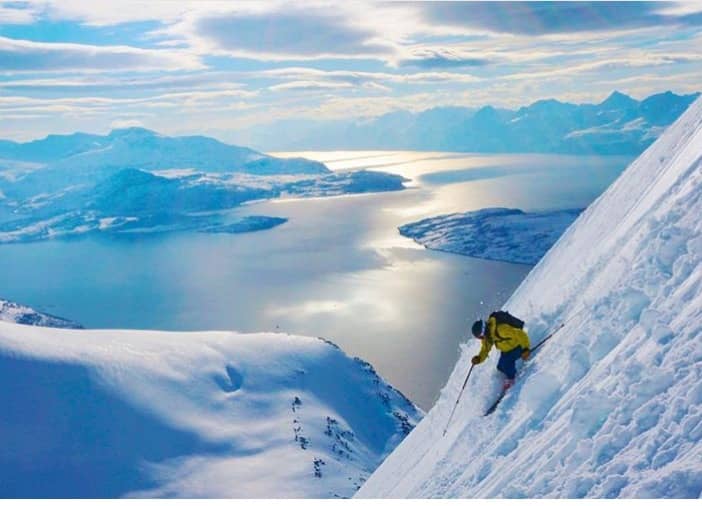
In 1999, physician Anna Bågenholm lost control while skiing near Narvik, Norway, and became trapped beneath ice. Only an air pocket allowed her to breathe for part of the ordeal. By the time rescuers freed her, she had suffered cardiac arrest and profound hypothermia.
A race beneath the ice
Friends located Bågenholm but could not immediately pull her free. Rescue teams eventually cut through the ice and began resuscitation. Her core temperature was measured at about 13.7°C, or 56.7°F.
At such low temperatures, normal physiology is dangerously disrupted. But cooling can also reduce the brain’s oxygen demand. That did not guarantee survival; it created a narrow possibility that prolonged resuscitation could succeed.
~80 min
Trapped beneath ice
13.7°C
Recorded core temperature
9 hours
Approximate resuscitation effort
Source: Published medical case reporting
Rewarming and recovery
At the University Hospital of North Norway, doctors used cardiopulmonary bypass to warm and circulate her blood. Her heart eventually resumed beating. Bågenholm later recovered sufficiently to return to medical work, though rehabilitation was long.
Why the case changed expectations
The case became a landmark example of the principle that a severely hypothermic patient may not be beyond rescue until rewarmed and assessed. It also demonstrates the value of coordinated emergency medicine—from companions and rescuers to transport and hospital teams.
Sources
The weekly question
From obsession to clarity — one original question every week.
We answer one noisy topic at a time, in full. No daily roundup, no thread bait — just the question, the principles, and the system.