

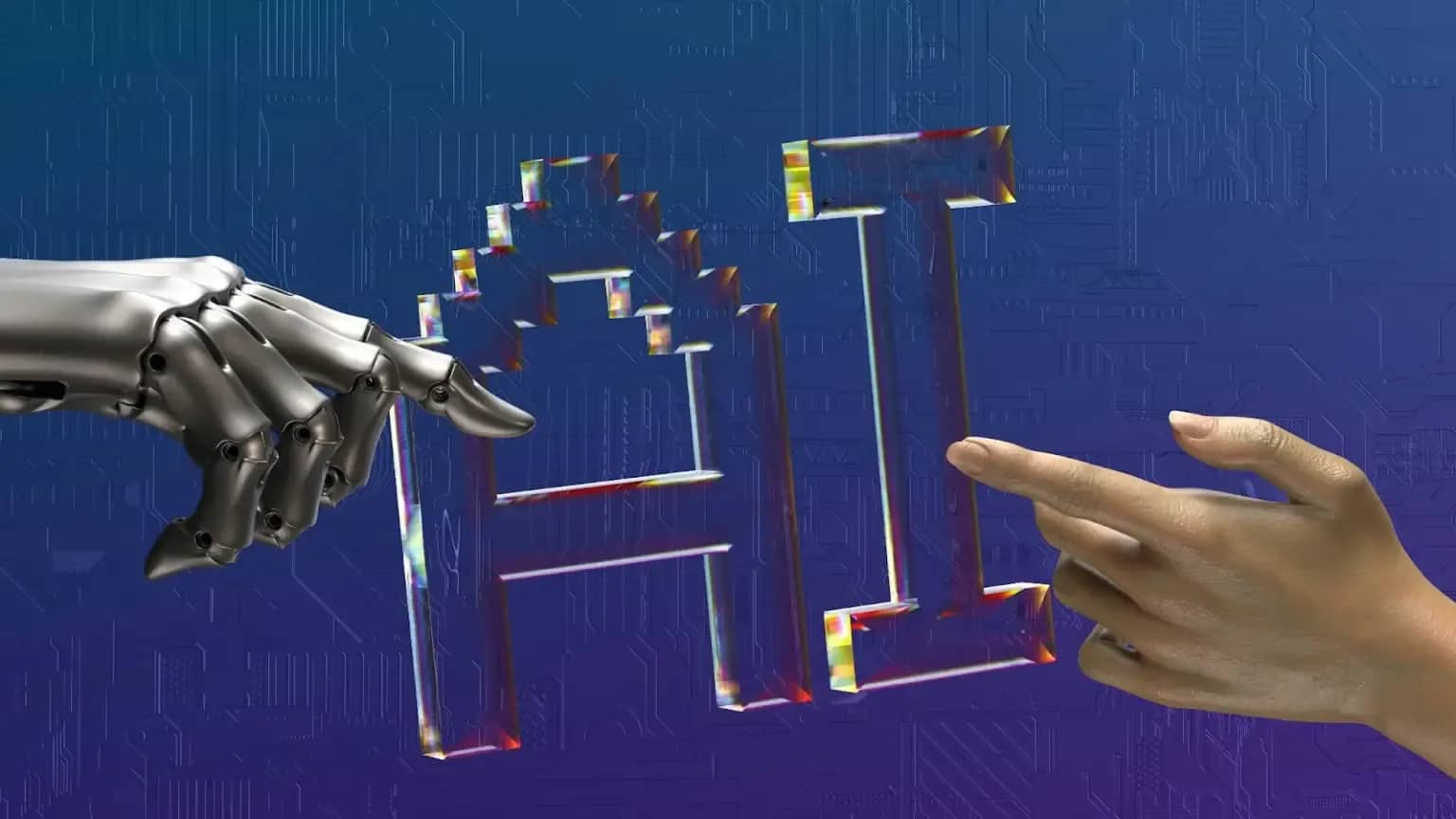
AI-Powered Game Design: Will Developers or Algorithms Build the Worlds of Tomorrow?
AI-powered game design is reshaping development, blending algorithmic speed with human creativity to build smarter, faster, and more personalized gaming experiences.
Artificial intelligence is no longer a niche option in gaming. From character AI to procedural generation, AI is influencing the way games are created and experienced. Entire maps, dialogue trees, and even soundscapes can be created in moments; what once took months of painstaking handcrafting can all now be built and created by computer.
Both small indie teams and big studios are playing around with machine learning software that can accelerate their production and reveal creative potential they could never have imagined without AI. At the same time, many players wonder whether this technology will one day take over the game development process totally.
Humans, AI to Coexist for Now
For the foreseeable future, developers and AI will go hand-in-hand. Artificial intelligence simply is not advanced enough to replace the creativity and intuition of experienced designers. However, many studios are already incorporating AI into their works and processes in practical ways instead of handing it the keys.
A good example is how AI is used by online casino platforms. Many of the platforms that offer real money games in Louisiana are well-known for offering large bonuses, crypto-friendly payment methods, and massive game libraries. They also use AI to offer personalized recommendations based on a player’s preferences. This same concept is rising to the surface in mainstream game development, where AI can help create a game experience more tailored to player preferences, rather than writing every story or designing every one of the game’s levels.
Smarter Characters and Adaptive Game Play
Artificial intelligence also shines at controlling non-player characters and enemy behavior. Modern engines allow NPCs to learn things from players; they adjust their tactics rather than use static scripts. Role-playing games benefit because characters can react using more natural dialogue and actions, making worlds come alive. Yet writers remain central in maintaining originality. AI can come up with conversation branches or give a suggestion of a plot twist, but human supervision makes sure stories have their heart and wholeness.
Dynamic difficulty systems are a good example of this partnership. By keeping track of how players are doing, AI can set the strength of enemies or the complexity of puzzles on the fly. This keeps the veterans challenged without alienating any newcomers. Developers can collaborate with AI to make sure the parameters are set for the experience to be fair and fun. In titles that support multiplayer features, such as online games, AI moderation technology now helps identify cheating or toxic behavior faster than human teams could ever, so it is good for communities and ensures that games remain fun.
Cutting Development Time
Shorter production cycles are also another huge draw. Studios can create prototypes of ideas quickly with the help of asset creation provided by AI. Automated testing, texture generation, voice cloning, and more take the pressure off teams. This means it is possible for smaller studios to try their hand at projects that in the past would only have been possible with massive budgets. Players benefit the most in the end because developers can afford to take creative risks without years of back-breaking labor on their shoulders.
For instance, tools like text-to-image and similar can produce concept art in minutes, giving art directors more directions from which they can select early in the development process. Motion capture sometimes requires expensive equipment and actors, but with AI-powered animation technology, a computer is now able to simulate realistic movement based on a handful of reference clips. Each of these innovations reduces costs and frees up the creative minds to focus on storytelling, design, and innovation.
Blending AI with Player Data
One of the most game-changing ways that AI can be used is in analyzing how players play a game after the game is released. Data-driven insights help studios make changes to balance and introduce new content, or refine their monetization strategies with precision. When combined with machine learning, these systems can be used to predict the features they’ll offer to keep players engaged in the game, or which updates might cause frustration.
Many mobile and online titles are already based on this practice to build personalized experiences. Recommendation engines like the ones used by streaming platforms can suggest events or in-game cosmetic items depending on individual habits. This personalization goes more in-depth than just engaging audiences without adding extra work to developers to manually segment their audience.
However, there are ethical considerations involved when algorithms encourage players to make purchases or spend time on a game, and this has led to studios trying to strike a good balance between profitability and fairness.
Ethical and Creative Issues
With these opportunities come issues of concern. Developers need to watch for the risks of over-relying on algorithms that could introduce bias or negate the originality of games. Intellectual property issues also arise when AI models are learning from existing works of art or music. Clear guidelines and human review are still required in order to ensure creators are attributed and unique styles are maintained.
There is also the issue of cultural subtlety. An AI educated on a broad dataset may fail to capture nuanced references or to handle sensitive topics. Human writers and designers provide the context and empathy that will result in living, breathing worlds. Without their contribution, games can be seen as generic or even offensive. The same caution applies in the case of dialogue generation. While language models can crank out endless lines of text, they have no experiences that give meaning to authentic storytelling.
A Changing Skill Set for Developers
As AI assumes the role of performing repetitive tasks, the job role of a game developer changes. Teams desire members who understand both the design of the creative process and machine learning principles. Artists with the ability to guide AI to produce a particular aesthetic, programmers with the ability to polish up the training data to create custom models, and writers with the ability to adapt branching narratives to algorithmic suggestions are all becoming crucial.
Education programs are resisting even as they combine computer science with art and narrative design. Future developers may find that they spend the same amount of time exploring neural networks as level layout. This cross-disciplinary expertise guarantees that humans are at the centre of the creative process even as AI becomes increasingly capable.
Player Expectations and the Touch of Humanity
AI powering development processes entirely is restricted by the players themselves in some ways. Many gamers appreciate the knowledge that a human being created the worlds they explore. Hand-crafted environments, conscientiously written dialogue, and individual quest lines create a perception of connection. If AI-created content ever becomes too mechanical and repetitive, people may push back, clamoring for the objectivity that only people can bring to the table.
On the other hand, players love responsiveness and variety, which AI can deliver by the bucket. Endlessly procedural content and adaptive gaming can keep a title new for years. The most successful games are likely to combine these strengths as they provide both handcrafted highlights and AI-driven augmentations that evolve.
Disclosure: We may earn a commission when you make a purchase through the ads.
From obsession to clarity — one original question every week.
We answer one noisy topic at a time, in full. No daily roundup, no thread bait — just the question, the principles, and the system.