Monitor Your Health: Tips For Keeping Weight In Check At Home
Weight monitoring at home supports long-term health through simple habits like tracking, mindful eating, and small daily movements that build sustainable progress.
Staying on top of your weight at home doesn’t have to be intense or complicated. Small habits, done most days, can add up.
This guide lays out simple steps for tracking, moving, sleeping, and eating in ways that fit real life. Pick a few ideas, try them for a week, and build from there.

Set Up A Simple Home Routine
Start with a short daily check-in. Jot down wake time, meals, movement, and how your body feels. Keep it light so it’s easy to repeat.
Choose 1 or 2 anchor habits that trigger other good choices. For example, fill a water bottle right after brushing your teeth. A small cue like this lowers the effort to start.
Prep your space. Clear a corner for quick stretches, lay out walking shoes, and keep a tape measure handy. Your environment should make the healthy choice the easy choice.
Track Your Weight And Waist The Smart Way
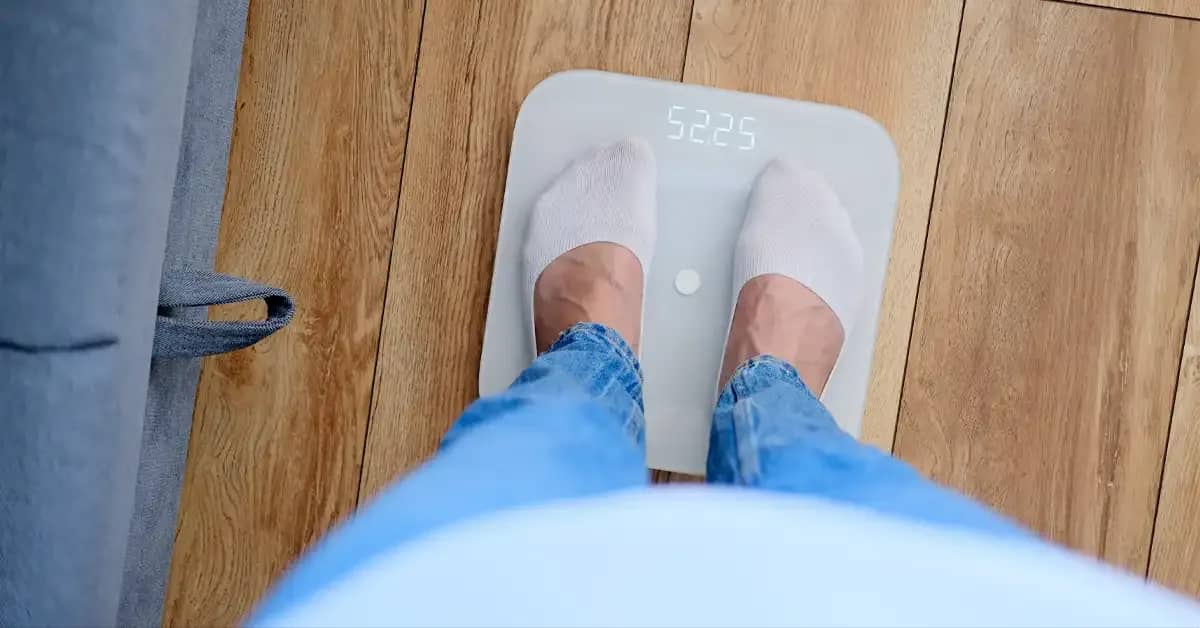
Weigh at the same time each day or week, in the same clothes, and on a flat surface. Numbers will bounce, so focus on the weekly trend. Pair weight checks with a waist measure at the navel for a fuller picture.
If you need higher capacity equipment, consider a 500 lb scale for consistent, safe readings. Use the same device to avoid calibration differences, and record the number right away. You’ll spot patterns that a single reading can’t show.
Give your data a job. Set a simple rule like: if the 7-day average rises for 2 weeks, add a 10-minute walk after dinner. If it falls, keep doing what’s working and note what helped.
Eat And Drink With Awareness
Keep meals simple and mostly routine on weekdays. Build plates around protein, fiber, and water. Save richer meals for times you can truly enjoy them.
Use one mindful pause for a few seconds. Ask if more food will help with energy in the next few hours. If not, box the leftovers and plan to add a veggie at the next meal.
Small swaps compound. Try one set from the list below and keep it for 2 weeks.
- Swap sugary drinks for water or unsweetened tea.
- Trade chips for fruit or yogurt at snacks.
- Serve sauces on the side, not mixed in.
- Use smaller plates for everyday meals.
- Start lunch with a raw veggie or salad.
Build Activity Into Your Day
Stack movement onto things you already do. Pace during calls, do bodyweight squats while the kettle boils, or take the stairs when possible. Short bouts count when you collect enough across the day.
Know The Minimums
A national health service guide says adults should aim for at least 150 minutes of moderate activity a week, or 75 minutes of vigorous activity, plus strength work on 2 days. That can be 30 minutes on 5 days, or 10-minute chunks that add up. Choose a mix that suits your joints and schedule.
Progress gently. Add time before intensity, and spread harder days apart. If you’re starting, a brisk 10-minute walk after two meals can be enough to shift momentum.
Keep Motivation Realistic And Kind
Aim for modest change first. A major heart health group notes that losing about 5 percent to 10 percent of your starting weight over roughly 6 months can improve markers like triglycerides and blood sugar, and even a 3 percent to 5 percent shift can help. That kind of goal is big enough to matter and small enough to manage.
Use the community for support. Share your plan with a friend or family member who can cheer progress. Celebrate behaviors you control, like steps taken or meals cooked, not just the scale.
Watch for bright spots. If evenings are tricky, focus on mornings. If weekends drift, plan one active meet-up. Keep what works and drop what doesn’t without drama.
Sleep, Stress, And Recovery
Protect a steady sleep window. Most adults feel best near 7 to 9 hours, and regular timing helps appetite and mood. Dim the lights an hour before bed and keep the bedroom cool and quiet.
Build tiny stress breaks. Two minutes of box breathing or a quick walk can reset your day. When stress drops, it’s easier to make calm choices around food.
Respect sore days. If you pushed hard yesterday, pick light movement today. Recovery makes tomorrow’s workout possible and keeps your routine consistent.

A national snapshot reported that only about one-quarter of adults met the aerobic and muscle-strengthening targets in 2024. If you’re not there yet, you’re in good company. Start where you are and add minutes as you can.
Stay curious and kind to yourself. Your routine will change with seasons, stress, and health. Keep what helps, revise what doesn’t, and let consistency carry you.
The weekly question
From obsession to clarity — one original question every week.
We answer one noisy topic at a time, in full. No daily roundup, no thread bait — just the question, the principles, and the system.