

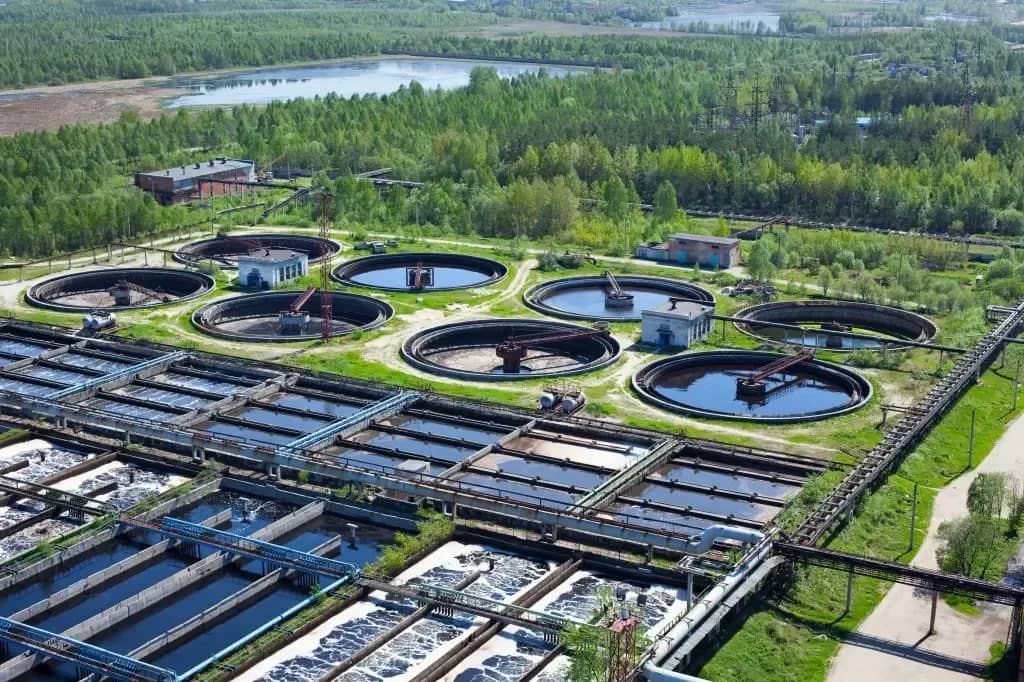
How effective water management helps maintain compliance in industrial projects
Effective water management in industrial projects helps maintain compliance, reduce risks, and support sustainability through smart monitoring and treatment systems.
Industrial projects must balance high productivity with strict environmental standards. Water management is central to this challenge because it influences safety targets and regulatory frameworks. In construction, mining, energy, and manufacturing, compliance is directly tied to approvals and long-term reputation.
Choosing systems that manage water responsibly ensures smoother operations and reduces penalties. Effective water management provides the tools to achieve this balance, with companies such as PR Water offering advanced solutions. Automation, monitoring, and treatment technologies deliver compliance without slowing progress.
The Regulatory Pressure on Industrial Water Use
Regulatory authorities in Australia maintain strict controls over industrial discharge limits and water reuse standards. Projects must document compliance with parameters such as turbidity levels, pH balance, and suspended solids to avoid environmental breaches. These measures protect ecosystems, groundwater reserves, and community health.
Non-compliance can trigger significant fines, delays in approvals, or complete shutdowns. Because monitoring is continuous, site managers require systems capable of recording and reporting results with precision. Without such processes, even minor oversights in effluent management can escalate into major liabilities.
Core Functions of Smart Water Management
Smart water management combines advanced treatment systems with automated data tools. Instead of relying only on manual sampling, sites use integrated platforms that monitor quality, control flow, and adjust chemical dosing in real time. This ensures water discharged meets compliance thresholds consistently.
Beyond regulatory obligations, these systems improve project efficiency. With reduced reliance on manual intervention, staff can allocate time to broader priorities while maintaining confidence in water quality performance. This approach strengthens environmental stewardship while aligning with industry standards.
Real-Time Data for Reliable Compliance
Strong compliance outcomes depend on immediate, accurate information. Smart systems provide managers with the data needed to act quickly and avoid costly breaches. A few of the most valuable features include:
a. Continuous Quality Monitoring
Sensors track turbidity, pH, and conductivity at all times. Continuous monitoring provides accurate, real-time results. Teams stay informed about current water conditions.
b. Automated Reporting
Automated platforms generate compliance records with precision. Reports are created instantly and without error. Regulators receive clear documentation for full accountability.
c. Predictive Detection
Predictive modelling detects when parameters shift toward risk thresholds. Early alerts give managers time to respond. Treatment can be adjusted before discharge breaches occur.
Efficiency, Sustainability, and Risk Mitigation
Beyond compliance, smart water management supports operational and environmental efficiency. Systems are designed to optimise resources while preventing unplanned disruptions. Key functions in this area include:
a. Optimised Resource Use
Precise chemical dosing reduces waste and lowers costs. It ensures sustainable treatment across operations. Consistency in water quality outcomes also improves.
b. Reuse and Recycling
Treated water can be recycled for dust suppression. It also supports cooling towers and equipment washing. Freshwater demand is reduced significantly.
c. Maintenance and Risk Control
Automated alerts detect irregularities at an early stage. Preventive maintenance keeps equipment running smoothly. Costly stoppages are minimised.
Applications Across Demanding Industries
Effective water management has clear value across multiple sectors. In construction, sediment control prevents harmful runoff. Mining projects benefit from mobile treatment plants that handle high sediment loads. Manufacturing facilities conserve water through closed-loop recycling.
The energy sector relies on advanced monitoring to ensure thermal discharges remain within licensed conditions. These applications prove that adaptable systems can meet the diverse demands of modern industry while keeping operations fully compliant.
Across demanding projects, compliance relies on effective monitoring, transparent reporting, and resilient water treatment systems. Selecting the right provider for water management ensures that all technical and regulatory requirements are met without unnecessary delays. PR Water represents one example of how tailored solutions can be deployed to keep projects aligned with both environmental duty and operational success. Project managers seeking long-term certainty should prioritise suppliers capable of delivering reliable systems and expert support.
From obsession to clarity — one original question every week.
We answer one noisy topic at a time, in full. No daily roundup, no thread bait — just the question, the principles, and the system.