

Key Factors That Determine How Long a Water Heater Lasts
Water heater replacement becomes necessary when aging parts, sediment buildup, corrosion, or poor installation begin reducing performance and reliability.
A dependable water heater supports daily household routines by delivering consistent hot water for bathing, cleaning, and cooking. The lifespan of a unit depends on several mechanical and environmental conditions that influence its internal performance over the years. Understanding these important factors helps homeowners protect the system from premature wear and maintain reliable operation for a longer period.
Regular upkeep plays a major role in preserving heating efficiency and preventing unnecessary internal damage. Professional inspections sometimes identify small concerns before they develop into expensive mechanical failures or safety issues. In many homes, timely water heater replacement becomes necessary once aging components begin affecting heating consistency, water quality, and overall system reliability.
Water Quality And Sediment Accumulation
Mineral-heavy water places continuous stress on the inside of a water heater tank and its heating components. Hard water leaves behind dense sediment deposits that gradually settle at the bottom of the tank during regular operation. As the buildup thickens, the system requires more energy to heat water properly, and internal components experience additional strain.
Effects Of Excessive Sediment Buildup
- - Restricts efficient heat transfer inside the tank.
- - Increases internal pressure and operating stress.
- - Causes unusual noises during heating cycles.
- - Reduces overall heating performance and consistency.
Anode Rod Performance And Corrosion Protection
The anode rod protects the interior tank lining from rust and corrosion caused by minerals and moisture exposure. This metal component attracts corrosive particles before they can damage the tank walls and internal surfaces. Once the rod becomes heavily worn, corrosion can begin spreading inside the system and shorten the unit’s service life.
Scheduled inspections help determine whether the anode rod still provides adequate protection against internal deterioration. Replacing a depleted rod at the correct time can significantly reduce the risk of tank corrosion and water leakage. Proper corrosion control allows the heating system to maintain dependable operation under daily household demand.
Installation Quality And System Pressure
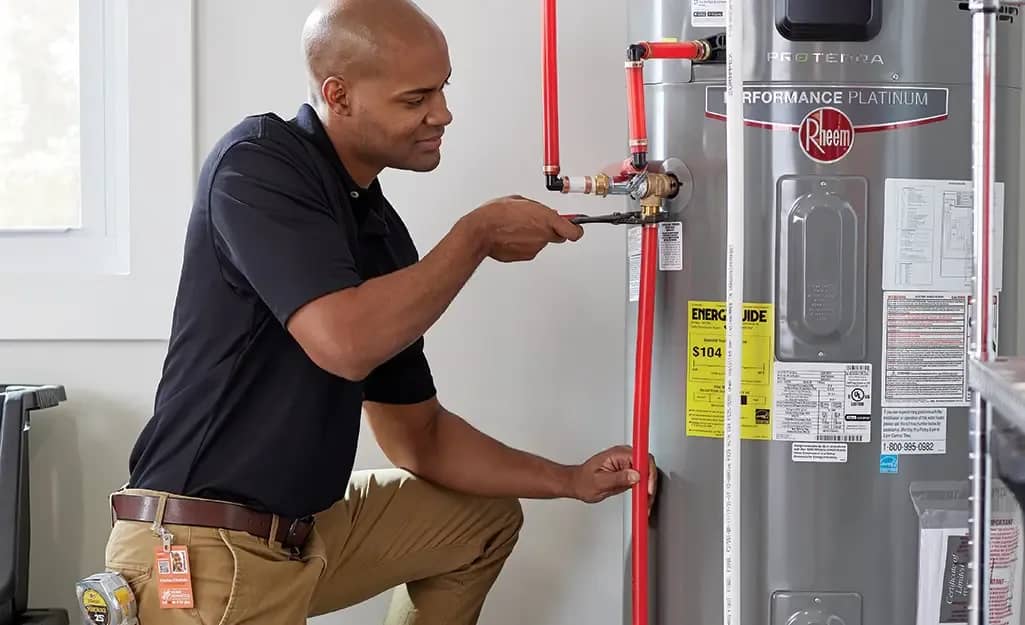
Correct installation, secure pipe connections, proper ventilation, accurate sizing, and balanced water pressure all help a water heater operate safely and efficiently. Poor setup or high pressure can strain valves, fittings, and internal tank materials over time. Stable operating conditions reduce leaks, heating issues, and premature system wear.
Maintenance Habits That Support Longer Lifespan
- - Schedule regular professional inspections and maintenance services.
- - Flush the tank periodically to remove mineral deposits.
- - Check valves and pipe connections for developing leaks.
- - Monitor heating consistency and unusual operating noises.
Aging Components And Declining Efficiency
Internal heating components naturally wear down after years of repeated heating cycles and daily usage. Older systems sometimes struggle to maintain stable water temperatures and may require frequent repairs to remain operational. Declining efficiency can also increase energy consumption and place additional stress on aging internal parts.
When extensive wear begins affecting performance, water heater replacement services may provide a more dependable long-term solution. Replacing an aging system at the appropriate stage helps restore heating reliability and improve overall household comfort. Recognizing these lifespan factors allows homeowners to protect their investment and maintain efficient hot water performance for many years.
Get Professional Help When Water Heater Performance Starts Declining
Declining water temperature, inconsistent heating cycles, unusual tank noises, and visible leaks sometimes indicate internal wear that affects overall system efficiency. Professional inspection and repair services help identify failing components early, reduce additional strain on the unit, and support safer long-term operation. Accurate diagnosis and timely service also help prevent avoidable breakdowns that can shorten the lifespan of the water heater.
Proper maintenance, balanced operating conditions, and timely repairs all play an important role in extending the lifespan of a water heater. Paying attention to performance changes and addressing minor issues early can help maintain reliable hot water and reduce unnecessary system strain. Understanding these key factors allows homeowners to make informed decisions that support long-term efficiency and dependable daily performance.
From obsession to clarity — one original question every week.
We answer one noisy topic at a time, in full. No daily roundup, no thread bait — just the question, the principles, and the system.