Simple Smart Home Upgrades That Make Daily Routines Easier
SONOFF smart devices help make daily routines easier by automating lights, appliances, sensors, and small household tasks.
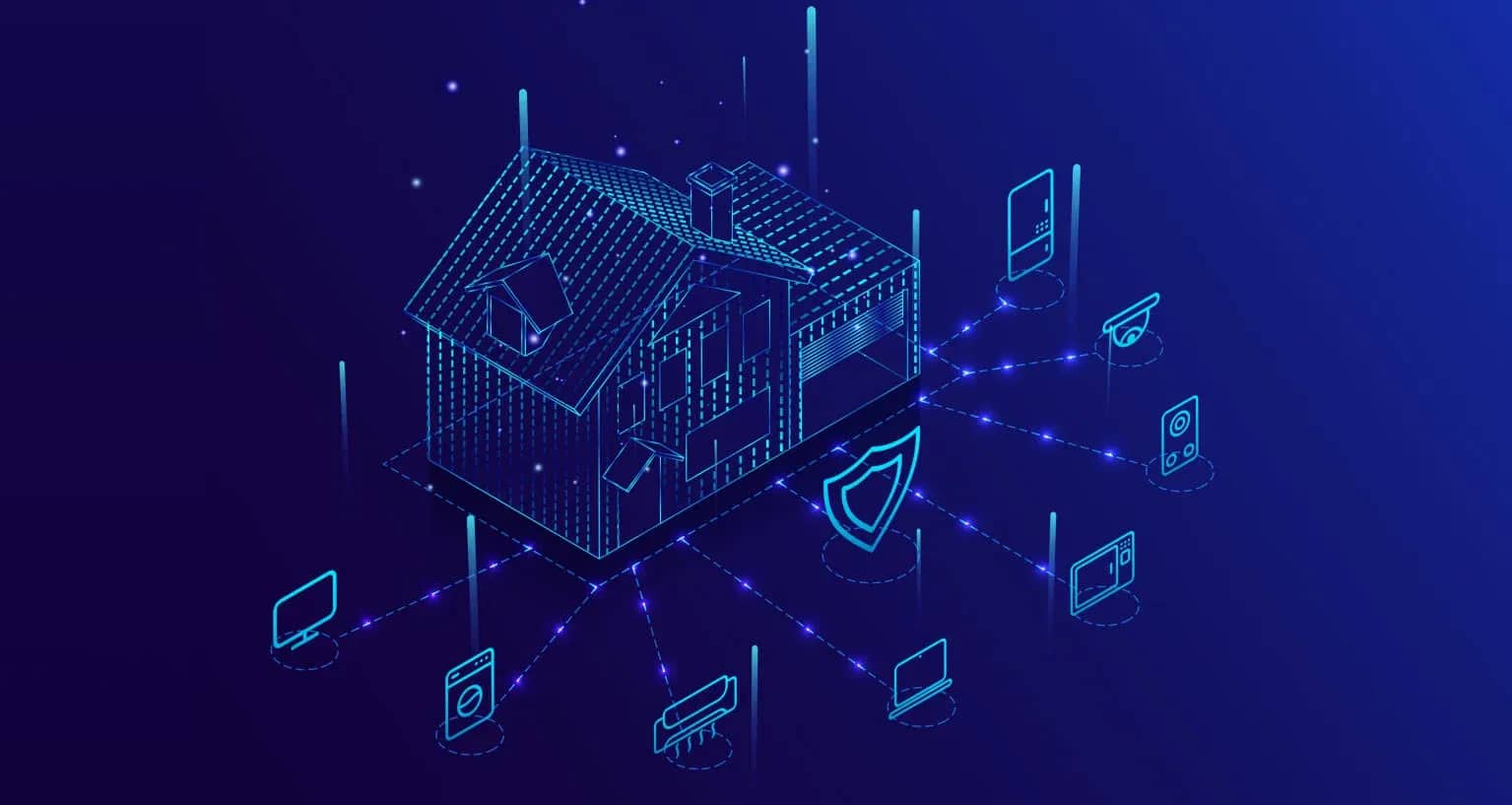
The best smart home upgrades are usually the ones you stop noticing after a few weeks. The hallway light comes on when you need it, the fan turns off after you leave the room, the lamp switches on before you get home, and suddenly these tiny conveniences just become part of the way the house works.
That’s a much better goal than trying to make every corner of the home feel futuristic overnight. Starting with simple, practical devices gives you a clearer sense of what actually improves your day, and SONOFF smart devices can fit into that kind of setup when you’re looking for affordable ways to automate lights, appliances and everyday routines without rebuilding the whole house from scratch.
Start with the annoying repeat tasks
A smart home doesn’t need to begin with a grand plan. In fact, it’s often easier to start by noticing the small things that annoy you every day. Maybe you always forget to turn off a lamp in the front room, or the outdoor light needs to come on before you arrive home. Maybe the fan runs longer than it needs to, or you’d like certain appliances to be easier to manage from your phone.
Those are the best places to begin because the benefit is obvious. A smart plug, switch, sensor or controller should solve a real problem, not just add another app to your phone. If the upgrade saves time, improves comfort or makes a routine more reliable, it’s much more likely to stay useful.
Keep the setup understandable
Smart homes can become messy when devices, apps and platforms are added without much thought. One product uses one app, another needs a different hub, a third only works with certain assistants, and before long, something that was meant to simplify life starts creating more admin.
Before buying, think about what you already use and how new devices will connect. Do you want voice control, app control, schedules, sensor-based automations or all of the above? Are you trying to build everything around one ecosystem, or are you comfortable managing a mix?
There’s no single right answer, but the setup should make sense to the people who live in the home. If only one person understands how anything works, it can quickly become frustrating for everyone else.
Automations should feel natural
A good automation feels like the house is helping quietly in the background. Lights might turn on at sunset, a heater could switch off after a set time, or a device might respond when motion is detected. These changes don’t need to be dramatic to be useful.
The trick is not to overcomplicate things too early. If every action triggers three other actions, troubleshooting becomes difficult when something goes wrong. Start with simple automations, test them for a while, and adjust based on how the household actually behaves.
Think about reliability from the beginning
A smart device is only helpful if it works when you need it to. Wi-Fi strength, hub placement, device compatibility and power access can all affect performance, especially in larger homes or spaces with thick walls.
Make the home smarter in small steps
You don’t need to automate everything at once to enjoy the benefits of a smarter home. A few well-chosen upgrades can make daily life feel smoother without overwhelming the household.
Start with the routines you already repeat, choose devices that fit your existing setup, and build slowly from there. The result should feel less like a tech project and more like a home that quietly works better around you.
The weekly question
From obsession to clarity — one original question every week.
We answer one noisy topic at a time, in full. No daily roundup, no thread bait — just the question, the principles, and the system.