
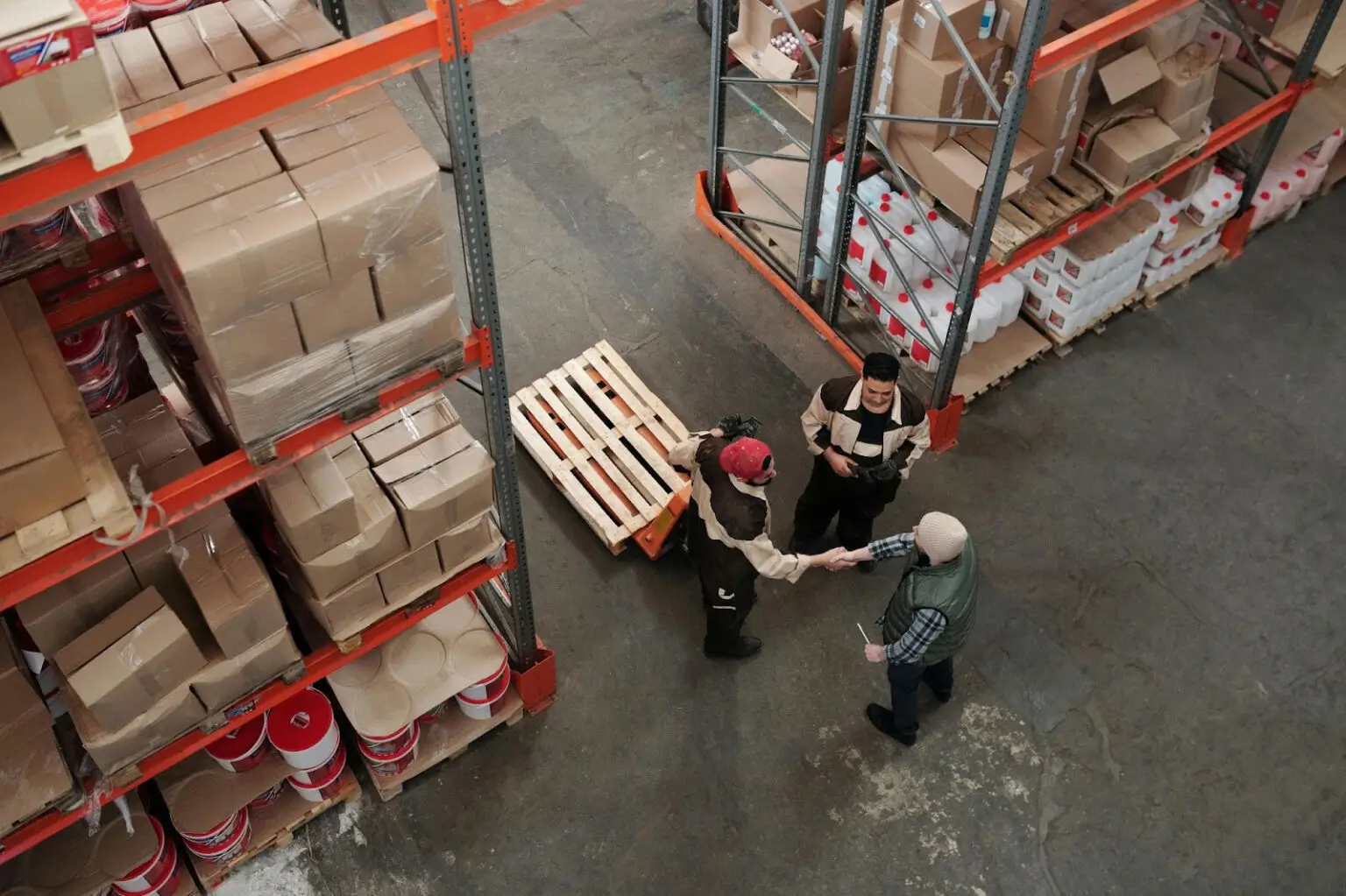
Warehouse management is about more than just finding a spot for a box. A messy floor plan leads to slow shipping and unhappy staff members who cannot find what they need. When you organize your inventory properly, every part of your business runs faster and more accurately.
Smart planning turns a simple storage building into a high-performance tool for your company. You can save on labor costs and reduce the risk of damaged goods by simply changing where you put your shelves. Taking the time to map out your space today will prevent massive headaches as your order volume grows over the next few years.
Designing A Smarter Floor Plan
Efficiency begins the moment a delivery truck hits the loading dock. If your team spends hours sorting through messy piles of pallets, your whole day falls behind schedule. You might find that your workers are frustrated and tired before the morning shift even ends.
Many companies find that their current layout limits their potential for growth. The high-quality Vertical Storage USA warehouse storage and similar solutions help teams find items faster and keep the workspace safe for everyone. This shift in thinking turns a simple storage room into a high-performance machine that handles more orders with less effort.
Good layout keeps the path clear from the door to the storage shelf. This reduces the physical strain on your crew and prevents safety hazards in tight spaces. When every person knows exactly where to go, the entire workflow becomes predictable and steady.
Speeding Up The Receiving Process
Fast processing keeps your inventory flowing toward the customers who pay for your services. A slow dock creates a ripple effect that slows down every other department in your building. It is hard to keep up with sales if the product is stuck in a box near the back door.
Measuring how long it takes to move goods from the truck to the shelf reveals hidden problems in your system. Tracking receiving cycle times helps measure how long items stay at the dock before they are ready for storage. Reducing this time means you can sell items the same day they arrive.
Protecting Your Inventory Accuracy
Losing track of stock is a fast way to lose money and waste time. Customers get frustrated when they order items that are actually out of stock on your website. These errors lead to refunds and lost trust that can be very hard to win back.
Reliable data is the backbone of any successful retail or shipping operation. Research by DV Unified suggests that maintaining accuracy levels above 95% keeps operations running without sudden delays. High accuracy means you never have to stop work to search for a missing pallet.
Reclaiming your space lets you store more without paying for an expensive new lease. Vertical setups can save nearly 90% of floor space and help your team pick orders faster. Using your height allows you to keep more items on hand without crowding your aisles.

Clearing Out Stagnant Inventory
Old stock takes up space that your best sellers should occupy. Holding onto items that do not move creates a bottleneck for your entire supply chain. It is better to clear out the old stuff to make room for products that your customers actually want.
Cleaning out the racks once a year keeps the warehouse fresh and manageable. If a product stays on the shelf for 12 months, it likely will not sell in the next 12 months. Identifying these items early helps you avoid wasting precious shelf space.
Clearing this dead weight frees up cash for new products. It allows your team to focus its energy on the items that generate revenue for the biz. Use these tips to keep your inventory fresh:
- Check the age of every pallet every month.
- Mark slow-moving items with bright color labels.
- Discount items that have sat for 11 months or more.
Managing The Complexity Of Returns
Returns are a normal part of business, but they can ruin your organization if you are not prepared. A messy return area slows down the rest of your picking and packing tasks. It creates a pile of mystery boxes that no one wants to touch at the end of the day.
Setting up a dedicated spot for incoming items keeps the flow steady and professional. Legacy SCS explains that finding out why items come back helps managers fix errors and improve warehouse quality. Understanding your returns leads to fewer mistakes on future orders.
Quick processing gets those items back into the sellable stock much sooner. This keeps your cash flow healthy and keeps the warehouse floor clear of clutter. A clean return station shows that your business is organized from start to finish.
Scaling Up Your Operations Safely
As your business grows, your storage needs will shift and change. Small changes in your layout can make a massive difference in how many orders you ship daily. Planning for growth prevents your facility from becoming a crowded mess as you hire more people.
Strategic planning allows your facility to handle more volume without feeling crowded or unsafe. Data from Portwise Consultancy shows that effective planning creates better pathways for moving cargo and increases total throughput. Better pathways mean your forklifts can move faster without hitting anything.
Utilizing high-bay racks or mezzanines helps you expand your capacity within the same footprint. Exotec notes that these systems allow businesses to scale up their storage without needing to build outward. Casper Corp highlights that bad layouts lead to hidden costs – like wasted overhead and lost time – that eat into your profits.
Managing a warehouse is about more than just moving boxes from one side of the room to the other. It is about creating a system that supports your long-term goals and keeps your operating costs as low as possible.
Small improvements in storage planning pay off in the long run for every business owner. By keeping things neat and using your space wisely, you set your business up for lasting success and happy customers.