Vinamor After Shark Tank: What Happened to the Wine Aerator?
Vinamor left Shark Tank without a deal, then used outside debt to expand production. Here is what is verified about Gary DeJohn’s wine aerator today.

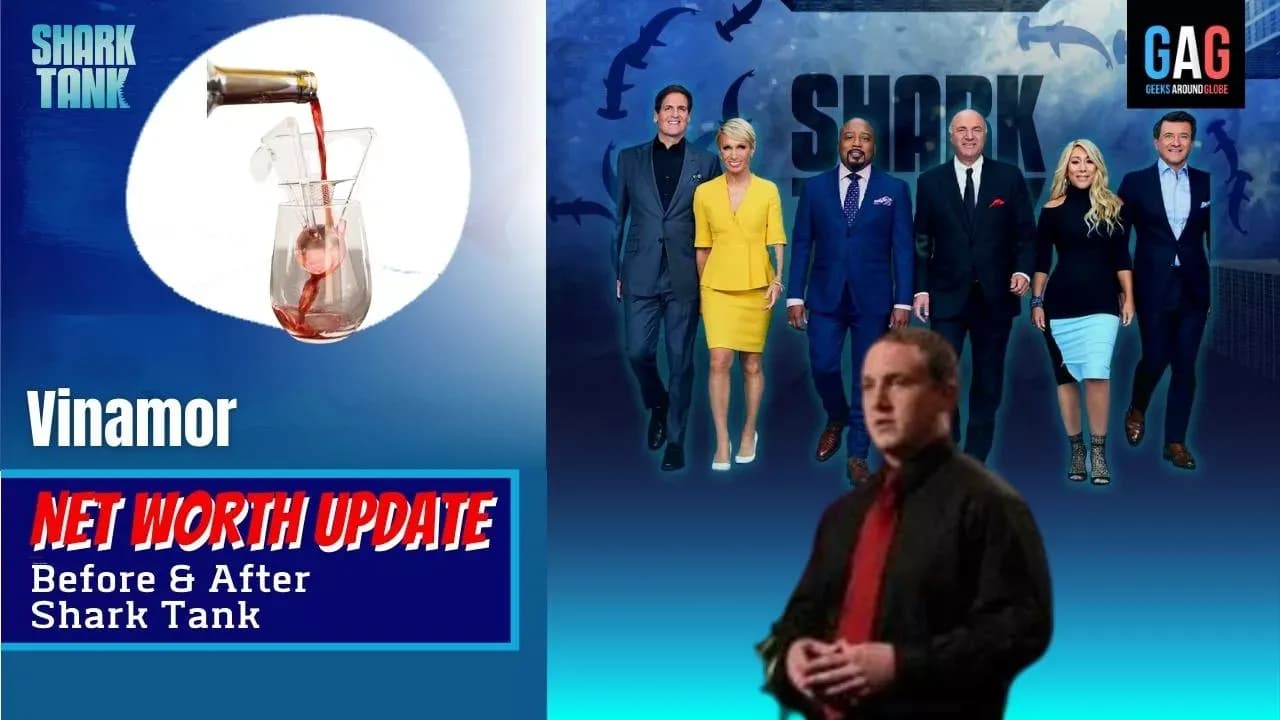
Gary DeJohn brought Vinamor to Shark Tank as a by-the-glass wine aerator that also measured a pour. The Sharks did not invest, but DeJohn later reported financing production with a friend's loan while retaining ownership. Current original-brand sales could not be verified.
Quick answer: Vinamor asked for $75,000 for 30% and received no deal. In 2012 interviews, DeJohn said he still owned the business and had obtained a $50,000 loan to expand production. The original website is now inaccessible, so current operation remains unverified.
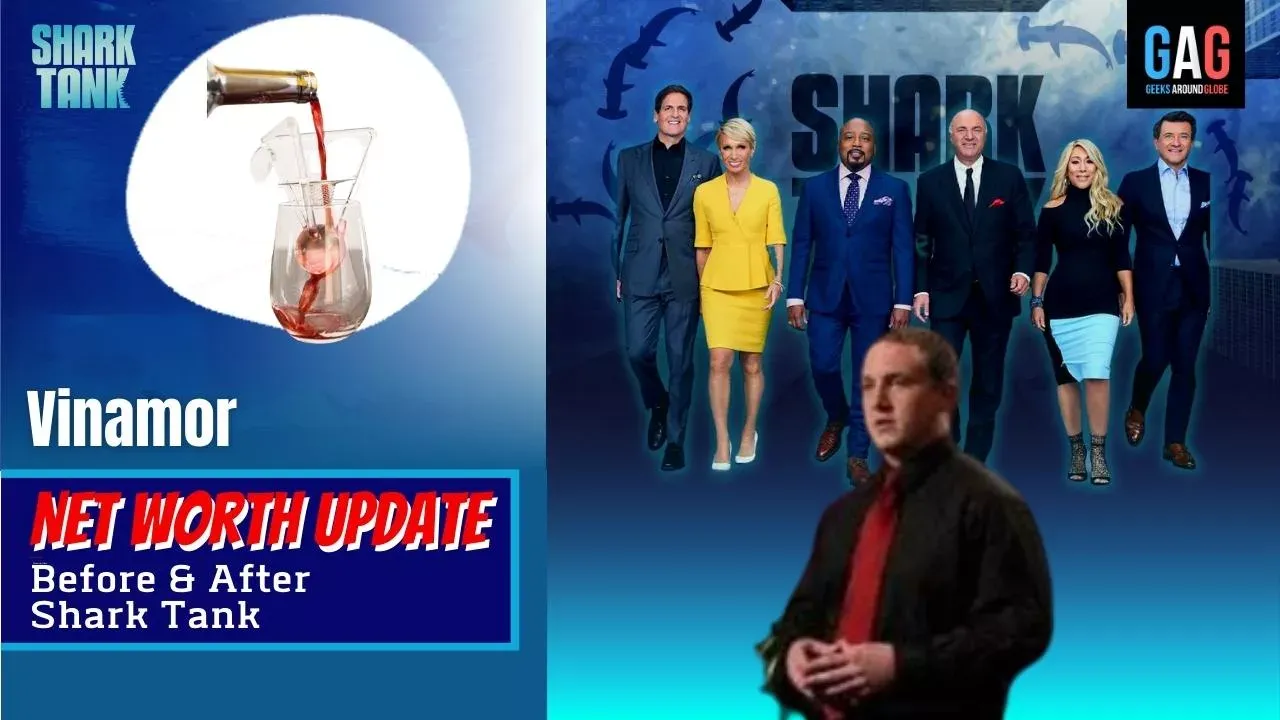
Gary DeJohn and the Vinamor wine aerator featured on Shark Tank. Photo: ABC/GAG
Vinamor at a glance
| Detail | Verified information |
|---|---|
| Founder | Gary DeJohn |
| Product | By-the-glass wine aerator and pour-measuring accessory |
| Shark Tank season | Season 3 |
| Ask | $75,000 for 30% equity |
| Implied valuation | $250,000 |
| On-air outcome | No deal |
| Post-show financing | Founder reported a $50,000 loan from a friend |
| Current status | Original-brand sales unverified |
The $250,000 figure is the valuation implied by the pitch. It is not a current valuation, annual revenue or DeJohn's personal net worth.
See the full season in our Shark Tank Season 3 products, deals and updates guide.
What was Vinamor?
Vinamor was designed to aerate a single serving of wine while helping the user control the amount poured.
Instead of aerating an entire bottle or decanter, the accessory sat over a glass and received wine poured through it. The transparent chamber made the serving visible before release into the glass.
The product combined two selling points: aeration and portion measurement. Whether a user prefers the resulting taste is subjective, so this article does not claim that Vinamor universally improves every wine.
What happened during the Shark Tank pitch?
DeJohn asked for $75,000 in exchange for 30% equity, implying a $250,000 valuation.
The Sharks did not invest. Vinamor left the Tank without a deal.
| Pitch figure | Result |
|---|---|
| Amount requested | $75,000 |
| Equity offered | 30% |
| Implied valuation | $250,000 |
| Final outcome | No deal |
The episode also included Tower Paddle Boards, Instant Lifts/Skinnies and Miso Media.
The no-deal outcome allowed DeJohn to retain ownership, but it also left him responsible for financing inventory and distribution.
What happened after Shark Tank?
In a contemporary interview, DeJohn discussed retaining full equity and making manufacturing changes after the show.
A separate November 2012 interview reported that he financed production with a $50,000 loan from a friend and discussed expanding distribution.
Those statements provide dated evidence of continued activity during 2012. They do not establish his ownership today or prove that the brand continued operating for the following decade.
A loan is also different from an equity investment: the lender is normally repaid under agreed terms rather than receiving an ownership percentage.
Is Vinamor still in business?
The original website did not load during the latest research, and no active official store or current authorized retailer was verified.
Current assessment: Vinamor had documented post-show production and distribution activity, but its current operating status and original-brand sales remain unclear.
An inaccessible site is not enough to prove a legal closure or assign a date. It is possible for a product to move, license its design or stop direct sales without a public announcement.
Old marketplace listings should be checked carefully for seller identity, inventory age and fulfillment.
Vinamor valuation and net worth
The pitch implied a $250,000 valuation.
That historical amount does not establish:
- current company value;
- annual or lifetime sales;
- the value of the product design;
- current ownership;
- or Gary DeJohn's personal net worth.
The later $50,000 loan does not create a new valuation because debt financing and equity pricing are different.
No verified acquisition, current financial statement or priced funding round supports a present value.
What founders can learn from Vinamor
Vinamor shows how founders can seek alternative financing after a no-deal pitch. Debt can preserve ownership, although it creates an obligation to repay regardless of sales.
The product also illustrates the challenge of selling a sensory benefit. Demonstrations can explain the mechanism, but taste preferences vary and broad claims require careful wording.
Finally, current-status reporting should distinguish documented history from present operation. A 2012 founder interview proves activity then, not now.
Frequently asked questions
Who invented Vinamor?
Gary DeJohn founded and presented Vinamor.
What did Vinamor do?
It aerated a single glass of wine and helped measure the pour.
How much did Vinamor ask for?
DeJohn asked for $75,000 for 30% equity, implying a $250,000 valuation.
Did Vinamor get a Shark Tank deal?
No. The Sharks did not invest.
How did Gary DeJohn fund the business afterward?
In a 2012 interview, he reported receiving a $50,000 loan from a friend.
Did DeJohn still own 100% after Shark Tank?
He said he retained full ownership in 2012. That historical statement does not establish current ownership.
Is Vinamor still available?
No active official store or current original-brand seller could be verified.
What is Vinamor worth today?
No reliable public evidence establishes a current valuation, revenue figure or founder net worth.
The weekly question
From obsession to clarity — one original question every week.
We answer one noisy topic at a time, in full. No daily roundup, no thread bait — just the question, the principles, and the system.