
Resolution is no longer just about the number of dots on a screen. Modern tech allows us to take blurry images and turn them into sharp visuals. This process is used to create blocky results that look fake. Now, smart software fills in the gaps with incredible detail. It feels like magic to see a fuzzy photo become clear. This guide explores how we went from simple pixels to complex systems that understand what they are seeing. You will see how these tools work in space, medicine, and history.
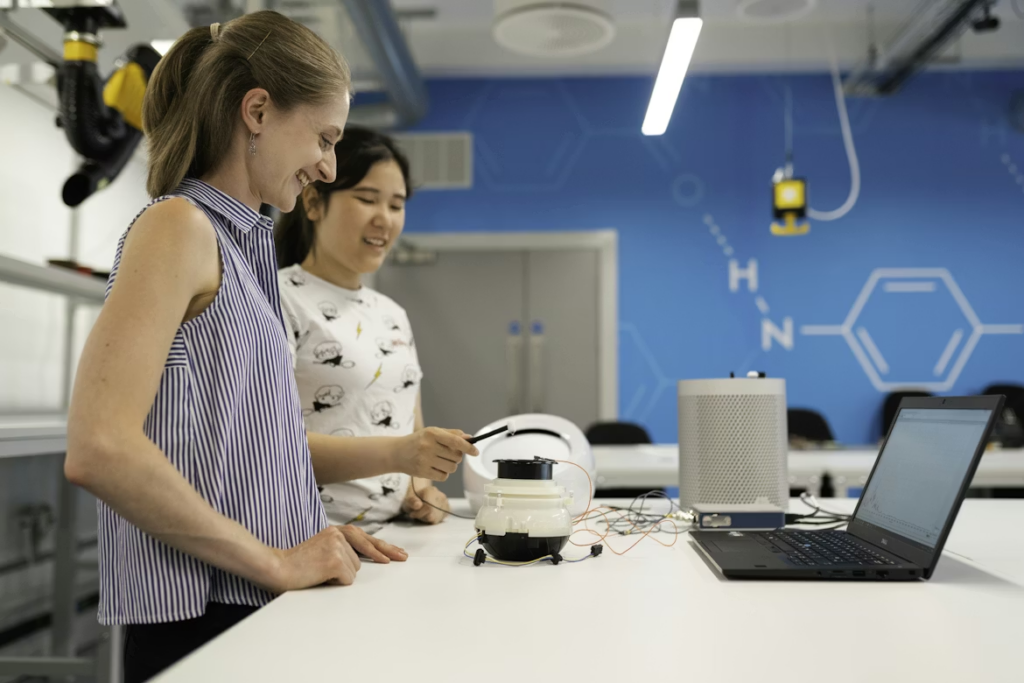
The Core Mechanics of Upscaling
Software used to just copy pixels to make an image larger. Finding a free image upscaler is the first step for many enthusiasts looking to improve their graphics, as these tools use smart patterns to guess what should be in the blank spaces. The result is a clean look that retains the feel of the original file. Older methods just made the image bigger without adding any new data. New systems look at the edges and shapes to build a better version of the file. This shift from stretching to thinking changed everything.
Reaching the Nanometer Scale
Scientific research is pushing the limits of what light can show us. A recent news post explained how researchers created a method for microscopes to see things as small as 50 nanometers. This helps scientists view tiny parts of cells that were once invisible. Standard tools are getting a huge boost from these clever math models. This helps labs save thousands of $ on expensive hardware – allowing them to spend more on research. This tech bridges the gap between old hardware and new needs. Lab results are much more accurate now.
Breaking the Limits of Light
Standard microscopes have a hard time seeing very tiny objects. The new math allows them to bypass these limits. It creates a clearer picture of the microscopic world. Scientists can now study diseases with much better clarity. Every tiny detail helps in the fight for new cures.
Reconstructing Visuals from the Mind
Scientists are now looking at how the brain works to fix low-quality data. New research from a major tech university shows that machine learning can rebuild high-resolution images from brain activity. The system predicts structural patterns to create a clear picture. This suggests that even partial data can become a full image with the right logic. It opens doors for new ways to communicate through visual thoughts. The tech learns how we see and then copies that process. It is a massive step forward for neural science.
Restoring the History of Film
Old movies often suffer from grain and low resolution. Experts are using deep learning to bring 19th-century films back to life. One report mentioned that 4K resolution is now possible for these historical reels with very little human work. This saves our visual history from fading away into blurry shadows. It allows young people to enjoy old art in a format they understand. The software removes scratches and adds missing details automatically. We can see faces from 100 years ago with perfect clarity.
Precision in Modern Medicine
Healthcare relies on clear pictures to find problems early. A university press release noted that upscaling improved the detection of early-stage issues in MRI scans by 22%. This helps doctors see things that were too small or fuzzy before. Better images lead to faster treatments and better health outcomes for patients. It reduces the need for repeat scans, which saves time and money. Patients get answers faster when the pictures are sharp. This is life-saving tech in action.
Tracking Global Changes
Space agencies use these techniques to watch our planet from far away. A government tech update highlighted that engineers use AI to make satellite photos 4 times clearer. This allows them to spot environmental changes much faster than before. Tracking fires or floods becomes easier when the view from space is sharp. The detail is high enough to see individual trees or small buildings. It makes our response to natural disasters much more effective. Maps are now more accurate than ever.
Future Climate and Weather Predictions
Climate science needs high resolution to predict the future. A report from a leading university stated that researchers are applying these visual techniques to weather models to make them 10 times more detailed. This helps people prepare for storms in certain neighborhoods rather than just whole cities. More data points mean more accurate safety warnings for everyone. Local leaders can plan better when they know where the rain will fall. High-res models are the key to staying safe.
Localized Data Benefits
- Accurate rain forecasts for small farms.
- Better flood planning for coastal towns.
- Sharp heat maps for big cities.
- Clearer paths for winter storms.
The world of resolution is changing fast. We have moved from simple Zoom features to systems that can rebuild entire scenes. The future of sight is looking sharper than ever before. It is an exciting time to be a geek.