
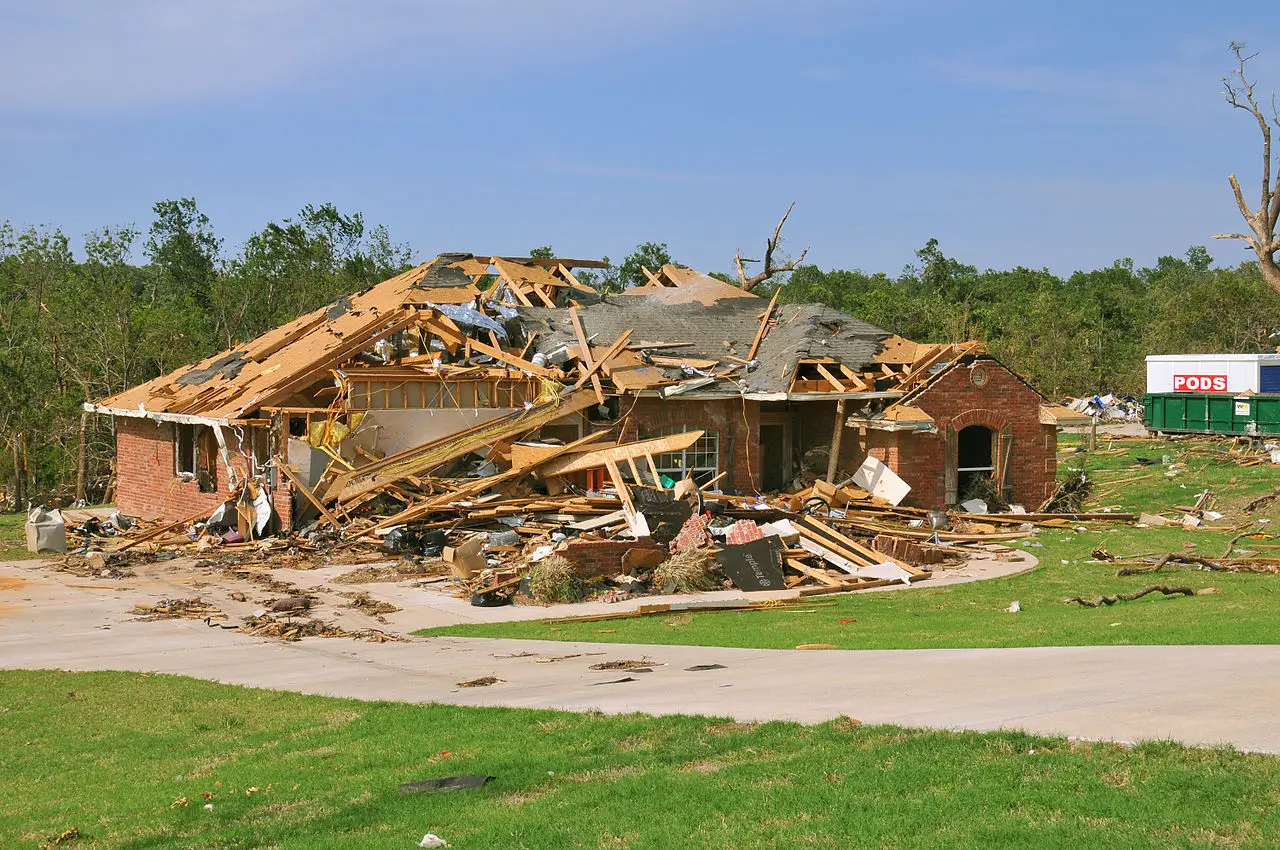
When tornadoes strike, they leave destruction in their wake. In the event of these storms, a well-prepared home offers protection and peace of mind. This post shares important ways to secure your house and keep your family out of harm’s way. You’ll be much safer during a tornado if you know these protective steps.
Understanding Tornado Risks
Tornadoes occur most frequently in certain regions, but they can happen almost anywhere. Knowing the specific risks in your area is vital. Regional meteorological centers broadcast essential information about storm trajectories and emergency advisories. Staying aware of these threats prepares you to build effective defenses. Understanding your local risk profile is the first step in learning how to prepare your home for a tornado and actively protect everyone under your roof.
Building a Safe Room
A safe room is a secure space designed to withstand extreme weather conditions. Ideally, this room should be on the ground floor or basement, away from windows. Walls, ceilings, and doors must be strong and constructed with resilient materials. Building a safe room offers genuine peace of mind, greatly enhancing your chances of staying safe when a tornado strikes.
Strengthening Home Structures
Reinforcing a home’s structure can reduce damage during a tornado. Installing windows made with impact-resistant glass and putting up storm shutters really helps keep your place safe. Strong fasteners and tough materials hold the roof in place, protecting the entire building. These upgrades may put a slight strain on your wallet. But trust me, that initial cost saves you from much bigger, pricier fixes later on.
Securing Outdoor Items
Outdoor items can become dangerous projectiles during a tornado. Securing or storing garden furniture, grills, and decorations is essential. Anchoring larger structures, such as sheds, can prevent them from being lifted by high winds. Regularly checking and maintaining these items ensures they do not pose a threat during severe weather.
Creating an Emergency Kit
An emergency kit is a vital component of tornado preparedness. It should include water, non-perishable food, flashlights, batteries, and a first-aid kit. Personal documents, medications, and a battery-powered radio are also important. Always keep your emergency kit inside the safe room so you can easily access it when a storm hits.
Developing a Family Plan
Having a clear family plan is crucial for ensuring safety during a tornado. All household members should know where to go and what to do when a tornado warning is issued. Doing these practice runs often makes the plan stick. People will then act calmly and accomplish tasks efficiently. A well-rehearsed plan can save precious time when every second counts.
Monitoring Weather Alerts
Being aware of sudden weather changes means you can react promptly, perhaps moving items indoors. For up-to-the-minute situational awareness, rely on local media broadcasts, meteorological applications, and public safety announcements. Investing in a weather radio with backup batteries ensures continuous updates. Notice shifts; you’ll make quick choices, staying safer and ready.
Understanding Insurance Coverage
Reviewing insurance policies can prevent unpleasant surprises after a tornado. Homeowners should ensure their coverage includes tornado damage. A thorough grasp of your policy’s specifics, your financial contribution through deductibles, and the procedural steps for submitting claims significantly eases the post-incident recovery journey. Consulting with an insurance agent can clarify any uncertainties and provide peace of mind.
Accessing Community Resources and Support
Community resources play a vital role in tornado preparedness and recovery. Emergency services in your area stand ready to lend a hand and share their expertise. Those living nearby lend a hand, swapping tips and lending items. A community that sticks together can handle tough times much better. They find shared power to face problems.
Implementing Post-Tornado Safety Measures
After a tornado, safety remains a priority. Maintain a considerable distance from any fallen power conduits; concurrently, verify the absence of gaseous emissions to avert serious peril. Documenting damage with photos aids in insurance claims. For more assistance, simply contact your city hall or a local aid organization. When a community starts anew, taking things slowly and being cautious really matters.
Conclusion
To get ready for a tornado, know the dangers. Make your house stronger. Always have a clear family plan. Homeowners who plan to keep their property and family safe. Tornadoes strike without warning. Taking these steps makes everyone safer and stronger. When you’re prepared, you can tackle tough times with confidence.