
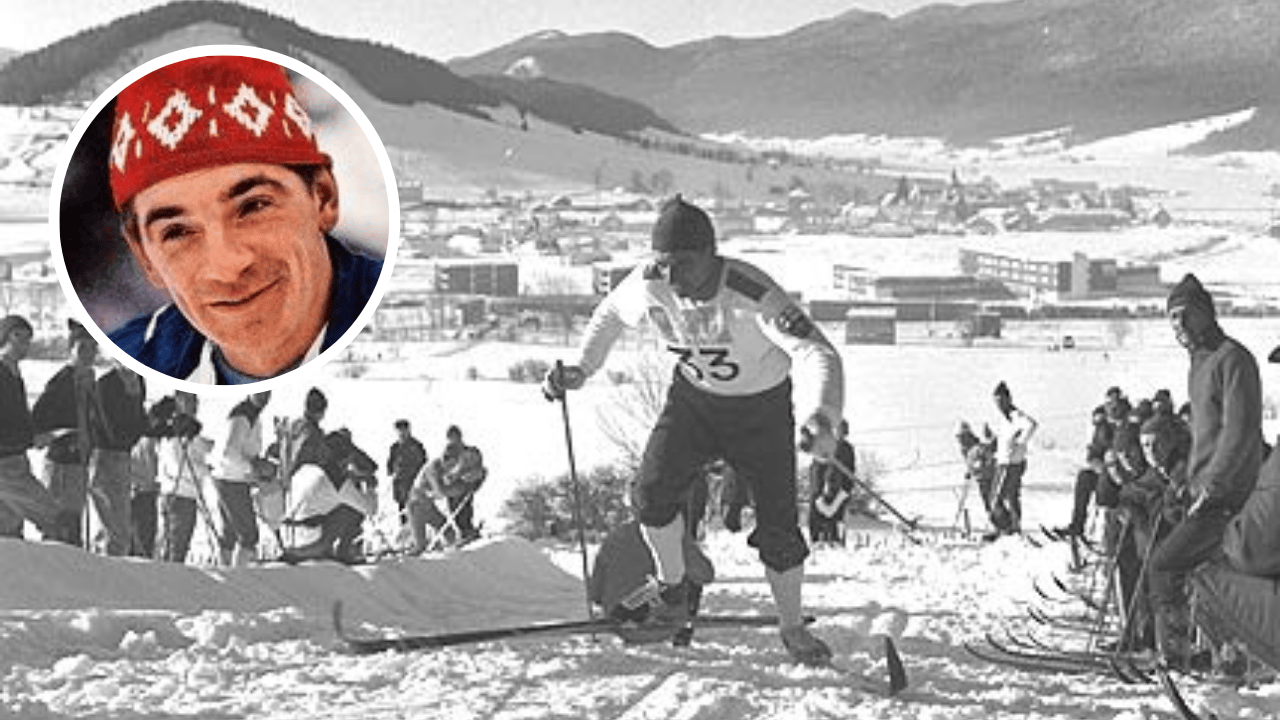
In the 1960s, a quiet Finnish man named Eero Mäntyranta stunned the world of cross-country skiing. He raced across frozen trails like he had a secret engine inside him. His stamina seemed endless. Between 1960 and 1972, he won seven Olympic medals, including three golds, and became one of Finland’s most celebrated athletes.
But his incredible performance also raised suspicion. Many wondered if he was using illegal methods to boost his blood and endurance. At a time when doping scandals were starting to shadow sports, Eero’s name became part of the whispers.
The truth, however, would turn out to be stranger than anything anyone imagined.
Fast Facts
- Project: {{Concise project or topic in one line}}
- Goal: {{Main objective or outcome}}
- Key Insight: {{Most surprising or useful takeaway}}
- Tools: {{3–5 tools, platforms, or methods}}
- Source: {{Primary link or citation}}
The Test That Changed Everything
Years after his Olympic victories, scientists decided to study Mäntyranta’s blood. What they found shocked them. His red blood cell count was nearly 50 percent higher than average, a level usually seen only in athletes using performance-enhancing drugs.
But Eero wasn’t cheating. His body was.
Researchers at the University of Helsinki, led by Dr. Albert de la Chapelle, discovered that Mäntyranta carried a genetic mutation in the EPOR gene. This tiny DNA glitch caused his bone marrow to keep producing red blood cells, even when his body didn’t need more.
That meant more oxygen for his muscles, faster recovery, and unmatched endurance. In plain terms, his body ran on a built-in turbocharger.
The Science Behind the Gift
To understand how powerful this mutation was, it helps to know what red blood cells do. They are the tiny carriers that deliver oxygen from your lungs to your muscles. The more oxygen your muscles get, the longer they can work before tiring.
Most people’s bodies stop making new red blood cells once they reach a healthy balance. But Mäntyranta’s system didn’t have an off switch. His EPOR gene told his body to keep going, giving him a natural version of the same effect athletes try to copy with illegal blood-doping.
A study in The Sports Gene by journalist David Epstein described Mäntyranta’s condition as “a naturally occurring version of endurance doping.”
The Emotional Truth Behind the Glory
When Eero learned that his power came from his genes, he felt relief but also confusion. He had trained hard all his life. He believed in effort, not shortcuts. The discovery cleared his name, but it also reminded the world that even science can’t measure the human heart.
He once said in an interview that success was “part work, part will, and maybe a small gift from nature.” His humility made his story even more powerful.
The Ethical Question: What Counts as Fair?
Mäntyranta’s discovery forced scientists and sports officials to rethink what fairness really means in competition. If one athlete is born with a natural edge, is it any different from another being born taller or faster?
Modern geneticists often revisit his story when discussing gene editing and athletic ethics. Some even call him a “preview of the future,” as tools like CRISPR raise new questions about whether athletes might one day design their own biological advantages.
Unique Insight: A 2022 review in Frontiers in Sports Science found that over 70 percent of surveyed ethicists believe genetic modification will challenge the meaning of fair play in sports within the next decade.
Legacy of “Mr. 50 Percent”
In Finland, Eero Mäntyranta is remembered not just for his medals, but for changing the conversation about human potential. His hometown of Pello even built a museum in his honor. Scientists still refer to his condition as a landmark in sports genetics.
His case helped create the foundation for biological passports, the systems used today to track athletes’ blood profiles and detect artificial changes. In a way, his unique biology made sports both more honest and more complex.
Why His Story Still Inspires
Mäntyranta’s life reminds us that greatness doesn’t always come from technology or cheating, but sometimes from the mysterious blueprint of life itself. His story bridges two worlds: the human spirit that trains for excellence and the quiet power of genetics that shapes who we are.
Even decades later, his DNA still teaches us something about endurance, effort, and the fine line between natural and unnatural advantage.
“He didn’t dope his blood. His blood doped him.”
Closing Thought
Eero Mäntyranta didn’t just win races. He showed the world that the line between natural talent and genetic power isn’t always clear. His blood told a story that science is still learning to understand.