The Smart Baker After Shark Tank: Why Barbara’s Deal Fell Through
The Smart Baker accepted Barbara Corcoran’s offer but chose not to finalize it. The founders’ baking-accessories business remains active today.
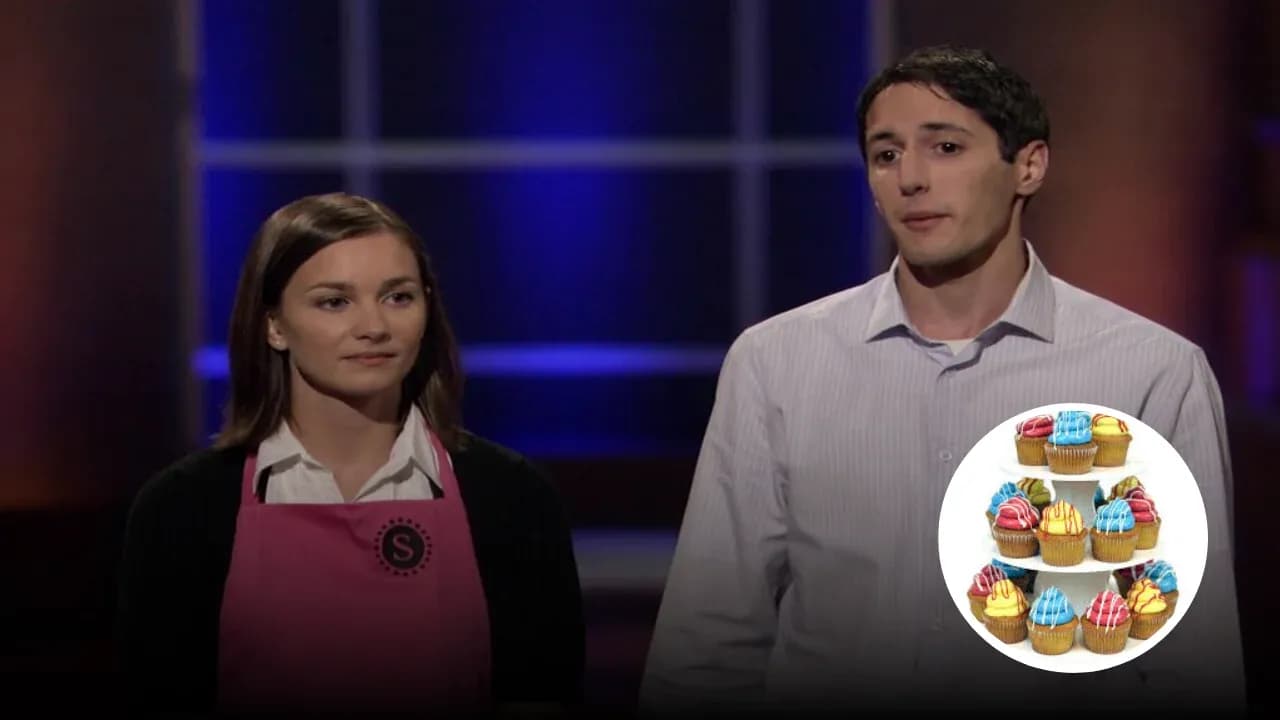
Daniel and Stephanie Rensing accepted Barbara Corcoran's offer for The Smart Baker on Shark Tank, but the investment did not close. The founders chose a different business path after disagreeing with the proposed pricing and distribution strategy—and their baking-accessories store remains active.
Quick answer: The Smart Baker accepted $75,000 for 40%, plus a 5% royalty until Barbara's investment was repaid. The founders later decided not to finalize the deal. The company currently sells parchment paper, cupcake stands, aprons and other baking products through its official store.
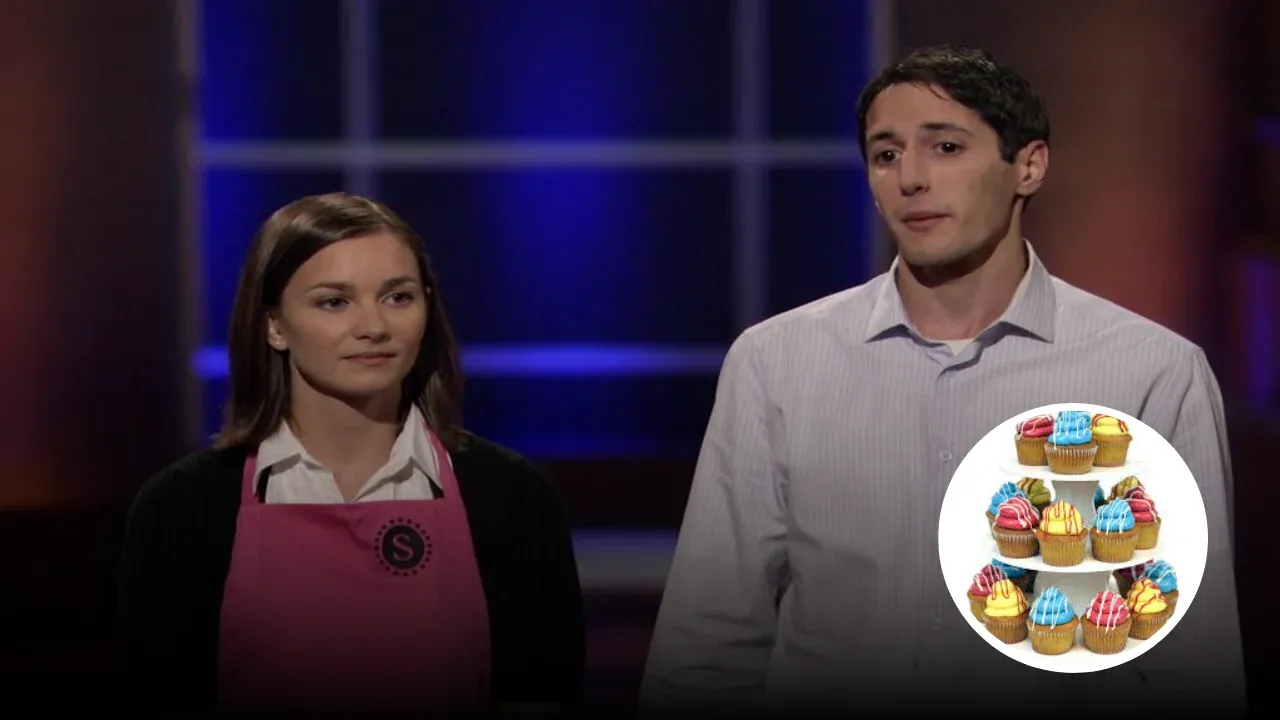
Daniel and Stephanie Rensing present The Smart Baker on Shark Tank. Photo: ABC/GAG
The Smart Baker at a glance
| Detail | Verified information |
|---|---|
| Founders | Daniel and Stephanie Rensing |
| Product | Baking accessories and conversion-chart aprons |
| Shark Tank season | Season 3 |
| Ask | $75,000 for 25% equity |
| Accepted offer | $75,000 for 40%, plus 5% royalty until repayment |
| Shark | Barbara Corcoran |
| Post-show outcome | Deal did not close |
| Current status | Active official store |
The ask implied a $300,000 valuation. The accepted equity terms implied $187,500, separate from the temporary royalty. Neither amount is a current valuation or the founders' personal net worth.
See every Season 3 business in our Shark Tank Season 3 products, deals and updates guide.
What is The Smart Baker?
The Smart Baker began with an apron printed upside down with common kitchen conversions so the wearer could lift the fabric and read the information while baking.
Daniel and Stephanie Rensing expanded the concept into other baking accessories. The official Smart Baker store currently offers parchment paper, baking cups, cupcake stands and aprons.
The products are built around making baking easier, cleaner or more presentable. Some provide measurement guidance, while others simplify preparation or display.
The company's Meet the Team page identifies Daniel and Stephanie and preserves their founder story.
What happened during The Smart Baker pitch?
The Rensings asked for $75,000 in exchange for 25% equity, implying a $300,000 valuation.
Barbara Corcoran offered $75,000 for 40%, plus a 5% royalty until her $75,000 was repaid. The founders accepted on television.
| Pitch figure | On-air result |
|---|---|
| Amount requested | $75,000 |
| Equity initially offered | 25% |
| Accepted offer | $75,000 for 40% |
| Additional term | 5% royalty until repayment |
| Shark | Barbara Corcoran |
The same episode also featured Kisstixx, The Heat Helper and Technology Enabled Clothing.
Why did The Smart Baker deal not close?
The founders later explained that they and Barbara differed over how to grow the business.
In a direct follow-up interview, Daniel described disagreement around product pricing and distribution strategy. A separate Shark Tank Blog interview also records the founders' post-show decision.
The accounts describe an amicable choice not to finalize the investment, not a business failure. The Rensings wanted to preserve a direction they believed suited the brand, while Barbara had a different view of the path to scale.
That makes the deal a useful example of due diligence working as intended. Both sides can decide that a partnership is not the right strategic fit after discussing the details.
What happened after Shark Tank?
The Smart Baker continued operating without Barbara's investment. Its product range grew beyond the original conversion-chart apron into consumable and reusable baking accessories.
The current catalogue shows an important business shift. Parchment sheets and baking cups can create repeat purchases, while cupcake stands and aprons remain longer-lasting products.
Historical reports describe periods of strong sales, but an old cumulative or annual figure should not be treated as current revenue. The live store establishes operation, not the company's profit or present value.
The continuing founder involvement and active catalogue provide stronger evidence than generic claims that the company built a baking “empire.”
Is The Smart Baker still in business?
Yes. The official store currently lists baking products and supports online ordering.
Product availability, designs and pricing can change, so shoppers should check the company's website for current details. The business should not be confused with the unrelated Smart Baking Company or its legal and financial history.
The original Shark Tank deal did not close, but The Smart Baker's continued operation shows that declining final terms did not prevent the founders from building the company independently.
The Smart Baker valuation and net worth
The original ask implied a $300,000 valuation. Barbara's accepted equity proposal implied $187,500, with a separate 5% royalty until repayment.
Those numbers do not establish:
- current company value;
- present annual revenue;
- lifetime profit;
- current ownership;
- or Daniel and Stephanie Rensing's personal net worth.
Because the deal did not close and no later priced funding or sale was verified, there is no reliable basis for a current valuation. Older historical sales reports should be dated and should not be promoted as current performance.
What founders can learn from The Smart Baker
The Smart Baker shows that the highest-profile investor is not always the right strategic partner.
Price and distribution can define a brand. A lower price may open mass retail but reduce margins or change customer perception. Premium positioning may protect margin but limit volume. Founders and investors need agreement on that tradeoff.
The pitch also demonstrates the value of a product family. The original apron attracted attention, while parchment and baking supplies created additional reasons for customers to return.
Finally, walking away after due diligence is not automatically a failure. A deal should work for both sides in practice, not only look impressive on television.
Frequently asked questions
Who founded The Smart Baker?
Daniel and Stephanie Rensing founded and pitched the company.
What did The Smart Baker originally sell?
Its signature product was an apron printed with baking conversions. The company later expanded into parchment, cupcake stands and other accessories.
How much did the founders ask for?
They asked for $75,000 for 25% equity.
What deal did Barbara Corcoran offer?
Barbara offered $75,000 for 40%, plus a 5% royalty until her investment was repaid.
Did The Smart Baker deal close?
No. The founders said they disagreed with Barbara over pricing and distribution strategy and chose not to finalize the deal.
Is The Smart Baker still in business?
Yes. Its official store currently lists baking accessories for sale.
Is The Smart Baker related to Smart Baking Company?
No. They are different businesses and should not be confused.
What is The Smart Baker worth today?
No reliable public evidence establishes a current valuation, annual revenue or founders' net worth.
The weekly question
From obsession to clarity — one original question every week.
We answer one noisy topic at a time, in full. No daily roundup, no thread bait — just the question, the principles, and the system.