Why Tennessee Car Accident Claims Work Differently Than You Think
Tennessee uses a fault-based car insurance system. Here is how claims actually work, and the one deadline most drivers miss.
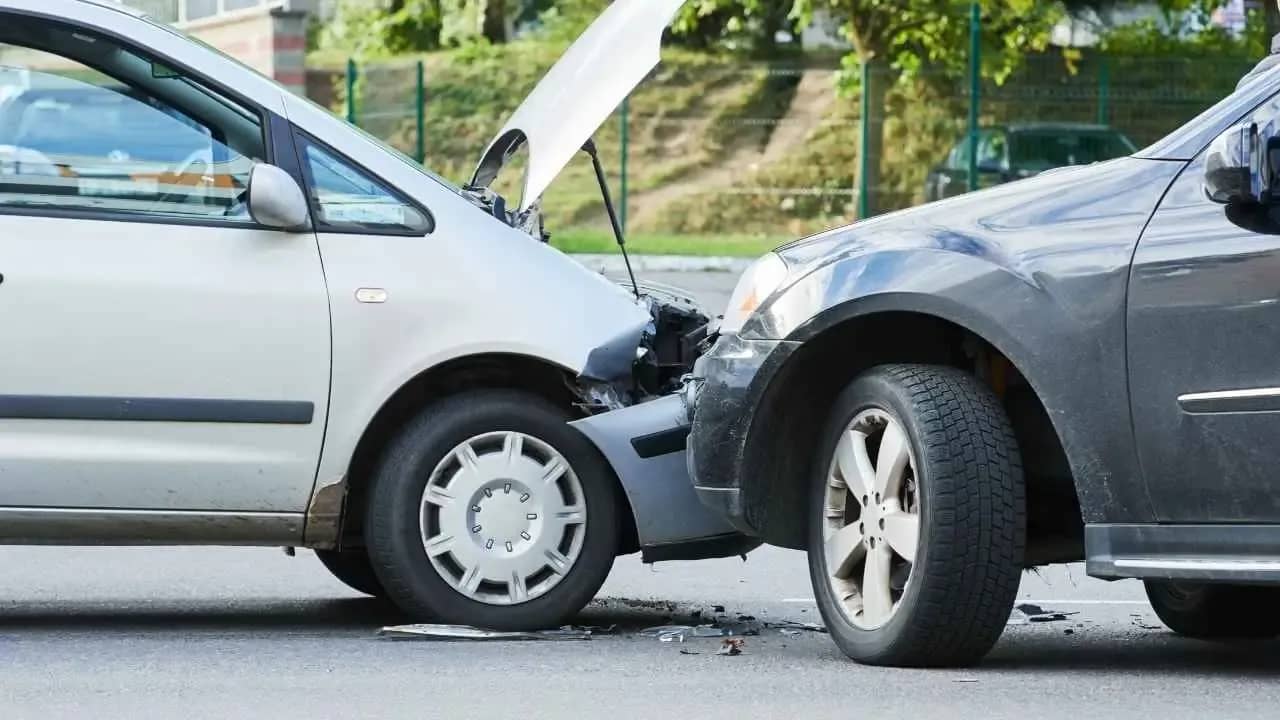
Roughly one in four American drivers lives in a state where your own insurance pays your medical bills after a crash, no matter who caused it. Tennessee is not one of them, and that single fact changes almost everything about the two months after a wreck. If you got hit on I-24 near Murfreesboro and assumed you could just call your insurer and let them sort it out, you're about to learn an expensive lesson.
Here's the short version. Tennessee runs on a fault system. Whoever caused the crash pays for the damage, and you have to prove it was them. That means evidence, deadlines, and a negotiation with someone else's adjuster who is paid to minimize your claim. Let's walk through what that looks like in practice, because the rules are simple enough to understand and brutal enough to lose money over.
What "fault-based" actually means for your claim
In a no-fault state, you file with your own insurer first. Your policy pays your medical bills and lost wages up to a limit, and you generally give up the right to sue unless your injuries clear a certain threshold. It's fast and it's impersonal. Tennessee skipped all of that.
Here, you file a third-party claim against the at-fault driver's liability coverage. You're asking their insurance company to pay you, which means you're now the other side of their ledger. Their adjuster will take your recorded statement, look for gaps in your story, and point at the weather, the road, or your own driving as the real cause.
For more on evaluating legal help after a crash, read our guide to the benefits of hiring a car accident lawyer.
I won't pretend this is a fair fight, because it isn't one. You're a person recovering from whiplash going up against a company that handles thousands of these a year. That asymmetry is the whole reason the next few sections matter.
Modified comparative fault, explained without the jargon
Tennessee doesn't use pure fault rules. It uses modified comparative fault, and the modification is where people get hurt. If a jury decides the crash was 80 percent the other driver's fault and 20 percent yours, your payout shrinks by that 20 percent. Fair enough. But if the split comes out 50/50 or worse, you recover nothing at all. Tennessee is a "50 percent bar" state, meaning you have to be less at fault than the other driver simply to collect a dollar.
That's why the earliest hours after a crash matter more than you'd guess. Photos of vehicle positions, the police report, witness names, the timestamp on your dashcam file. An adjuster who can nudge that 49/51 split by a point or two has just saved their employer your entire claim, and they know it.
One more wrinkle: Tennessee’s comparative-fault system absorbed the older “last clear chance” doctrine. A driver’s opportunity to avoid a collision can still matter when assessing fault, but it is not a separate shortcut around comparative fault. See the Tennessee Court of Appeals decision.
Is Tennessee a no-fault state for car accidents? Here's where drivers get confused
The confusion usually starts with Personal Injury Protection. Some states require PIP coverage as part of the no-fault system. Tennessee does not require PIP; optional medical payments coverage may help pay medical expenses regardless of fault, subject to the policy’s terms and limits. You can legally carry a Tennessee policy without that optional coverage, so check your auto and health insurance policies to understand how medical bills will be handled while a liability claim is pending.
That gap catches people who moved from Florida, Kentucky, or Michigan and kept their old assumptions. Your neighbor's policy in Tampa worked one way. Yours here works another. If you want the straight answer on how fault, PIP, and uninsured motorist coverage interact in this state, is Tennessee a no-fault state for car accidents walks through the coverage types and what each one actually pays for.
The other common mix-up is uninsured motorist coverage. Tennessee requires insurers to offer it, and it's the piece that saves you when the at-fault driver has minimum coverage or none at all. The State of Tennessee sets those minimum liability limits, and they are modest. A single serious injury will blow past them before the ambulance reaches the hospital.
The deadline that quietly kills good claims
Tennessee gives you one year from the date of the crash to file a personal injury lawsuit. That's shorter than most states, and it's shorter than almost everyone assumes. Here's the trap. Your deadline to file a lawsuit is not your deadline to settle, and it is definitely not your deadline for the insurance company to respond. Insurers know the clock as well as anyone. A claim that sits open for eleven months with a lowball offer on the table becomes a claim you either accept or litigate in a hurry. Neither option is good.
Property damage claims run on a different track and often resolve much faster than the injury portion. Don't let a quick car repair payout convince you the whole matter is closed. Signing a release for your bumper is one thing. Signing a release for your medical care is something else entirely, and you can't undo it.
A three-step checklist for the first week
You don't need a law degree to protect yourself. You need a routine you follow while you're still shaken up.
- Day one: Call the police and get a report number, even for a fender bender. Photograph everything, including the other driver's plate and any skid marks before they fade. Get names and phone numbers from anyone who saw it happen.
- Day two through four: See a doctor and keep every piece of paperwork. Gaps in treatment are the single easiest thing for an adjuster to point at when they argue your injury wasn't that serious.
- Day five through seven: Write down what you remember while it's fresh, then report the crash to your own insurer. Tell them the facts. Don't estimate fault, don't apologize, and don't speculate about your injuries.
Notice what's missing from that list. There's no call to the other driver's insurer. You can make one, and you're allowed to, but anything you say there is being recorded for use later. If the at-fault carrier calls you in the first 48 hours, that speed is not customer service. It's a head start.
Why the insurance industry treats this state the way it does
Insurance is a math business, and math follows the rules states set. According to the Insurance Information Institute, the legal system a state uses for auto claims shapes how insurers price premiums, reserve for losses, and handle disputes across that market. Fault states carry more litigation risk, so claims get scrutinized harder.
You feel that scrutiny personally, in the form of a recorded statement request and a settlement offer that arrives before your MRI results do. None of this is malicious. It's just what a system optimized around liability does when liability is the question. Your job is to make the answer to that question obvious.
When you should stop handling it yourself
Most minor crashes settle fine without anyone's help. A clean police report, a clear injury, a cooperative adjuster, and you're done in a few weeks. I'd tell you to handle that one yourself.
But call someone when any of these show up: a disputed liability finding, an injury that keeps you out of work, a commercial truck or a driver who was on the clock, or an offer that arrives before you've finished treatment. Those four situations share a trait. They all involve a party with more information than you have, and information is what wins these cases.
According to the Bureau of Labor Statistics, legal services employment is concentrated in exactly the kind of firms that handle injury claims, which means you have real options in most Tennessee counties. Get two or three consultations. They're free, they take an afternoon, and they'll tell you fast whether your claim is worth pursuing or worth settling.
The rules in Tennessee aren't stacked against you, but they don't bend in your favor either. They reward the driver who documented the scene, treated the injury, and watched the calendar. You already know the biggest one now: this isn't a no-fault state, and nobody is going to pay your bills just because you were the one who got hit. So what are you going to do in the first 48 hours to make your side of the story the one that holds up?
The weekly question
From obsession to clarity — one original question every week.
We answer one noisy topic at a time, in full. No daily roundup, no thread bait — just the question, the principles, and the system.