How Technology Is Transforming Modern Nursing Care
Technology in nursing care is transforming how nurses manage patient information, improve safety, reduce errors, and deliver more personalized care.
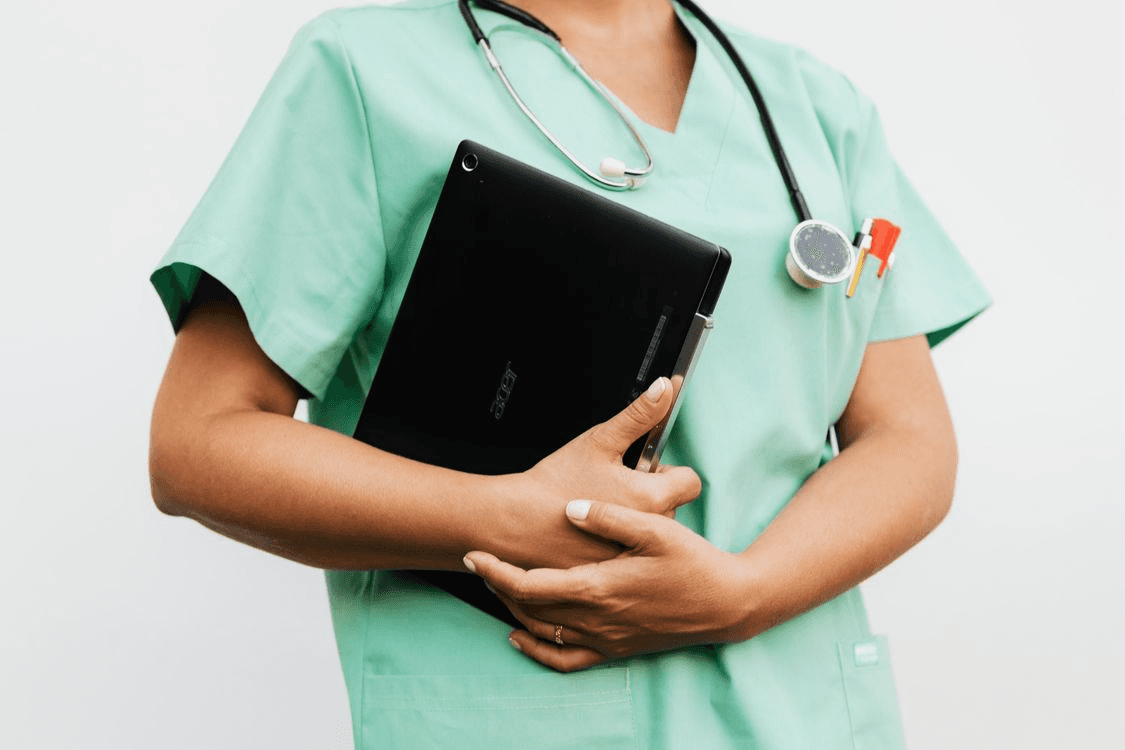
Have you ever wondered how nurses manage to keep up with hundreds of patient details while working in some of the busiest environments imaginable? Healthcare is moving through one of its biggest transformations in decades, and technology is at the center of that change. From digital records to artificial intelligence, modern tools are helping nurses deliver safer, faster, and more personalized care. At a time when hospitals face staffing shortages and growing patient demands, technology is becoming less of a luxury and more of a necessity.
The Digital Shift in Healthcare
Nursing has always relied on a combination of clinical skill, communication, and careful observation. What has changed is the way information is collected, shared, and used. Hospitals and clinics now operate in an environment where data moves almost instantly between departments, specialists, and care teams.
This shift reflects broader changes across society. People can order groceries, attend meetings, and manage finances from a smartphone, so it is no surprise that healthcare is following a similar path. Patients increasingly expect faster responses, easier access to records, and more coordinated care, placing technology at the heart of modern nursing practice.
Smarter Tools for Daily Nursing Tasks
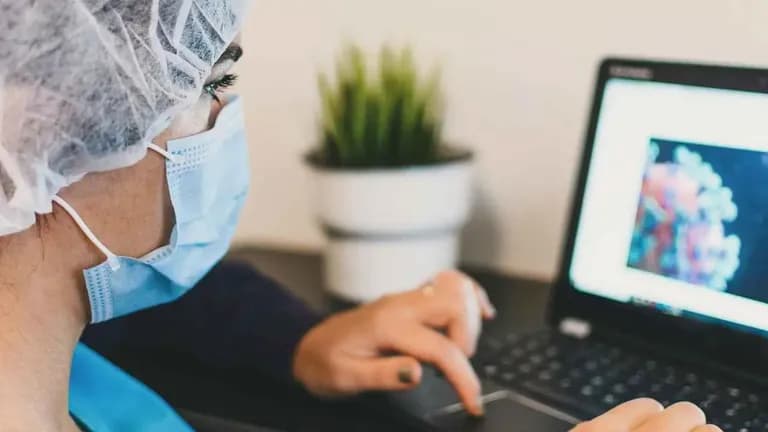
One of the most noticeable changes in healthcare settings is the growing use of digital systems that reduce administrative burdens. Electronic health records, mobile charting applications, and automated medication tracking systems help nurses spend less time handling paperwork and more time focusing on patients.
Many healthcare organizations are investing heavily in technology for nurses because efficient systems can improve both patient outcomes and workplace satisfaction. When nurses can quickly access accurate information, verify medications, and communicate with care teams in real time, the risk of errors decreases significantly. These improvements may seem technical, but their impact is deeply human because they allow nurses to devote more attention to patient needs.
Electronic Health Records Improve Coordination
Before electronic records became widespread, patient information was often scattered across paper charts, handwritten notes, and filing cabinets. Important details could be delayed, misplaced, or difficult to locate during emergencies. Today, electronic health records provide a centralized view of patient histories, medications, allergies, and treatment plans.
The benefits extend beyond convenience. Nurses can review information more quickly, monitor changes in patient conditions, and communicate updates to physicians without unnecessary delays. Better coordination reduces duplication of tests and helps ensure that every member of the care team is working from the same information.
Artificial Intelligence Supports Better Decisions
Artificial intelligence has become one of the most discussed developments in healthcare, especially as AI tools gain attention across industries. While some headlines suggest robots are ready to replace people, nursing tells a different story. AI is proving most valuable when it supports human judgment rather than replacing it.
Predictive analytics systems can identify patients who may be at risk for complications, falls, or readmissions. By analyzing large amounts of data, these tools provide early warnings that help nurses intervene sooner. The irony is that some of the most advanced technology available today often serves a simple purpose: helping healthcare professionals pay closer attention to the people who need it most.
Telehealth Expands Access to Care
The rapid growth of telehealth during and after the COVID-19 pandemic changed how many people interact with healthcare providers. Virtual appointments, remote consultations, and digital follow-ups have become common for patients who live far from medical facilities or face mobility challenges.
Nurses play a critical role in these virtual care models. They guide patients through appointments, monitor symptoms remotely, provide education, and answer questions that might otherwise go unaddressed. Telehealth has demonstrated that quality care does not always require a physical office visit, particularly for routine monitoring and chronic disease management.
Wearable Devices Create Continuous Monitoring
Fitness trackers and smartwatches have evolved far beyond counting steps. Many wearable devices can now monitor heart rate, oxygen levels, sleep patterns, and other health indicators. This trend aligns with a broader movement toward preventive healthcare, where potential issues are identified before they become serious problems.
For nurses, access to continuous patient data offers valuable insights that were once unavailable outside clinical settings. Instead of relying solely on occasional appointments, healthcare providers can observe trends over time and respond more proactively. Patients also become more engaged in their own health when they can see measurable information about their daily habits and progress.
Technology Helps Address Workforce Challenges
Healthcare systems across the United States continue to face nursing shortages, increasing patient volumes, and rising administrative demands. These pressures have sparked conversations about burnout, retention, and the long-term sustainability of the workforce.
Technology cannot solve every challenge, but it can ease some of the burden. Automated scheduling systems, digital communication tools, and streamlined documentation processes help reduce repetitive tasks. When implemented effectively, these solutions support nurses by allowing them to focus on clinical responsibilities rather than spending excessive time on manual processes.
Cybersecurity Becomes Part of Patient Safety
As healthcare becomes more connected, protecting patient information has become a critical responsibility. Hospitals are increasingly targeted by cyberattacks because medical records contain valuable personal and financial data. Recent ransomware incidents across the United States have highlighted how quickly digital disruptions can affect patient care, delaying procedures and limiting access to important records.
Nurses are often the first line of defense because they interact with electronic systems throughout their shifts. Understanding secure login practices, recognizing phishing attempts, and following data protection protocols helps safeguard both patient privacy and the smooth operation of healthcare services.
Balancing Innovation With Human Connection
As healthcare becomes increasingly digital, maintaining strong patient relationships remains essential. Technology can provide information, automate workflows, and improve efficiency, but it cannot replace empathy, reassurance, or meaningful human interaction. Patients often remember how a nurse made them feel long after they forget the details of a treatment plan.
The future of nursing will likely involve even greater integration of artificial intelligence, remote monitoring, and data-driven decision-making. Success will depend on balancing innovation with compassion. The most effective healthcare systems will not be those with the most advanced technology alone, but those that use technology to strengthen the human side of care. When digital tools support rather than distract from patient relationships, nursing becomes more effective, more sustainable, and better prepared for the challenges ahead.
The weekly question
From obsession to clarity — one original question every week.
We answer one noisy topic at a time, in full. No daily roundup, no thread bait — just the question, the principles, and the system.