
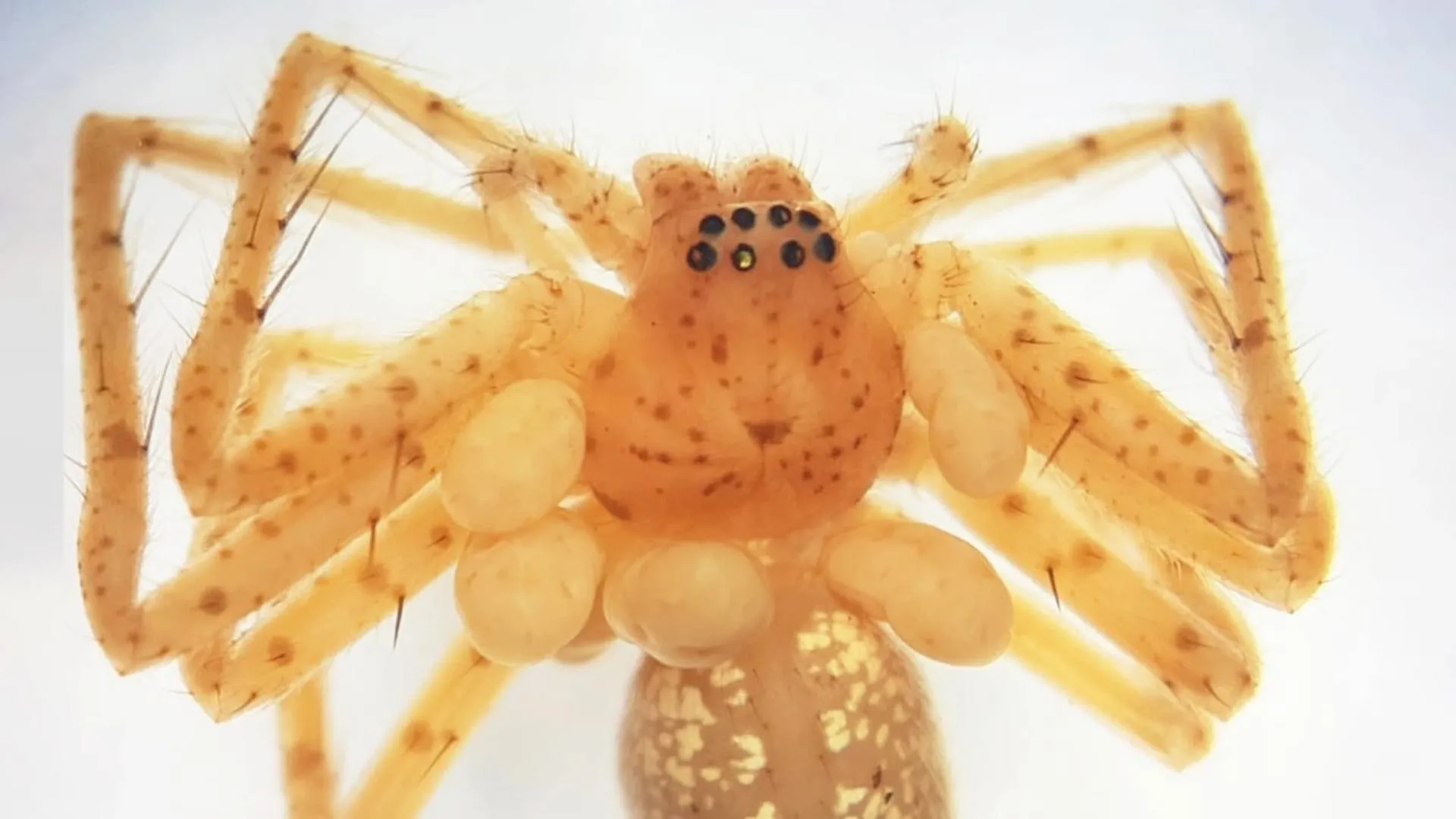
During routine sorting of archived spider specimens at the Butantan Institute, Ricardo Bassini-Silva recognized that the bead-like structures were not jewelry but larval mites clinging to juvenile hosts, a discovery that would redefine a Brazilian mite lineage. The finding centers on a new species named Araneothrombium brasiliensis, described with the patience of a taxonomist and the eye of a field naturalist. The work, detailed alongside coverage in ScienceDaily, situates the event at the intersection of museum science, biodiversity, and the hidden stories stored in drawers.
What makes this notable in Brazil is twofold: it is the country’s second described spider-parasitic mite and the first from its family here, expanding our map of neotropical biodiversity and inviting a rethinking of stored specimens as living reservoirs rather than inert curiosities. Specimens in the archive—collected from Pinheiral in Rio de Janeiro state near caves and grottos—became the catalyzing evidence for a taxonomic leap that could ripple through acarology for years to come.
The Pearl Necklace in a New Light
The larval mites form what looks like a pearl necklace around the juvenile host, a pattern that prompted the team to pursue a formal description and name the species after its Brazilian roots. The Araneothrombium brasiliensis description, published with rigorous morphological detail, anchors this discovery in a lineage that had remained undocumented in the country until now. A formal write-up is available via the DOI page First species description of Araneothrombium brasiliensis, confirming the taxonomic novelty and placing it within a broader global context of spider-associated mites.
To the lay observer, the episode might look like a quirky oddity, but it embodies a scientific fault line: how a long-stored specimen can unlock new biodiversity. The discovery underscores the value of curation and ongoing reanalysis of museum collections as ScienceDaily describes a growing trend in natural history, where archived material becomes a live source for discovery and validation.
In practical terms, this means that museums like the Butantan Institute are not merely repositories but active laboratories where parasitology reveals complex life histories and cryptic diversity. The discovery of Araneothrombium brasiliensis from Pinheiral, Rio de Janeiro state, near caves and grottos, highlights a geographic axis for future expeditions and raises questions about how many other lineages are hiding in plain sight within stored specimens.
From Archive to Action: What This Means for Biodiversity Testing
The real-world payoff is a call to broader reassessment programs: re-examining old samples with modern imaging, genetic sequencing, and careful re-description can yield rapid gains in biodiversity knowledge. The Brazilian acarology community is already rallying around this discovery as a model for how in situ observations gleaned from archived material translate into taxonomic clarity, updated field guides, and potentially new conservation priorities.
- Hidden Biodiversity: museums are treasure troves of undiscovered life waiting for careful reanalysis.
- Taxonomic Expansion: Brazil now records a new mite family within its spider-associated fauna.
- Archival Power: routine specimen curation can reveal new species long after the initial collection date.
Related Reading
Scientists uncover how hidden fat patterns may quietly raise long-term brain disease risk.
Read the Full Story