
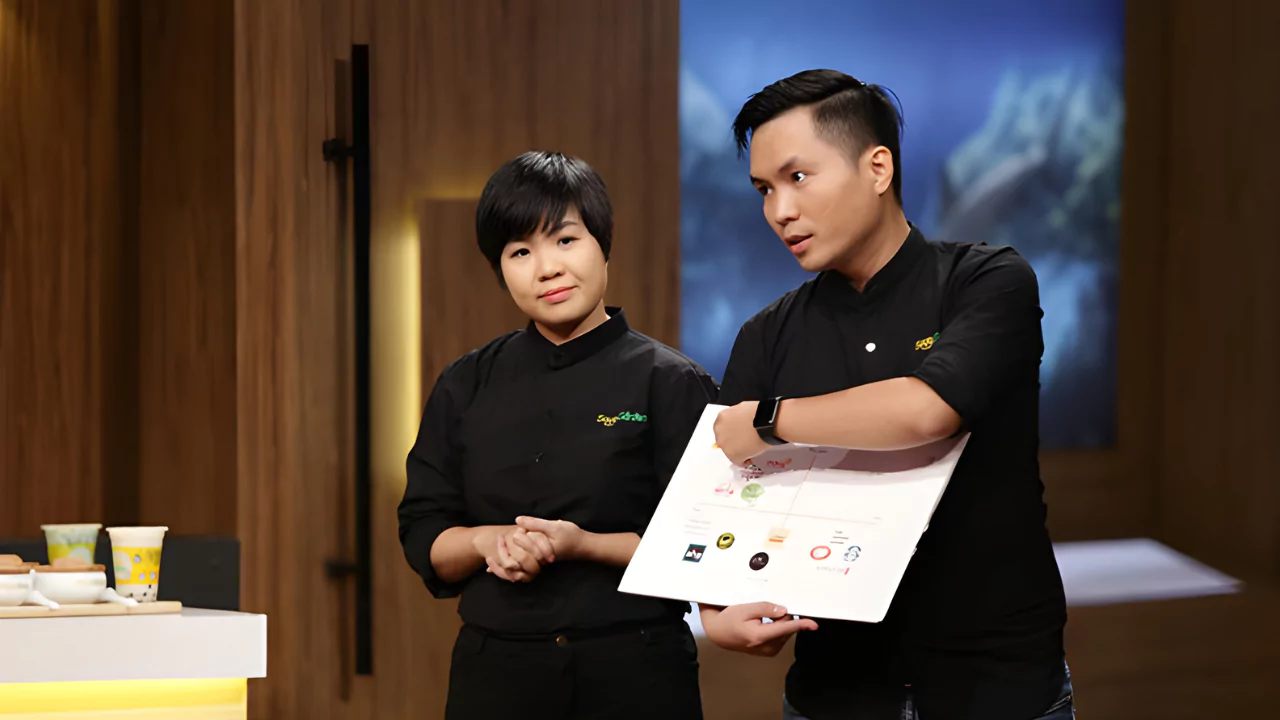
Back in 2018, a small startup Soya Garden made a huge splash in Vietnam. It wasn’t your usual milk tea spot or hip coffee joint. This café had something different to offer: organic soy-based drinks that were natural, healthy, and local.
The founder, Hoàng Anh Tuấn, was a young dreamer with a mission: to make soy cool again. And when he appeared on Shark Tank Vietnam, few expected what came next. He walked away with a massive deal that made national headlines.
Soya Garden was everywhere after that. New stores kept popping up. People were buzzing about it on Facebook and Instagram. It felt like the brand was about to take over the country.
But just a few years later, most of those stores vanished. No big announcement. No dramatic ending. Just… silence. So what actually happened?
Let’s rewind and walk through the full journey of Soya Garden, from that thrilling Shark Tank moment to its quiet, almost unnoticed downfall.
What Made Soya Garden Special?
Soya Garden wasn’t built on trendy hype or imported ideas. It came from something close to home. Vietnamese people already love soy-based food and drinks—things like soy milk, tofu, and chè (a sweet dessert soup). Tuấn saw a chance to turn that everyday love into something fresh and modern.
He opened the first Soya Garden store in 2016. The vibe was cozy, minimal, and clean, just like its drinks. The menu was packed with soy milk in different flavors, silky tofu puddings, and blended smoothies made from organic ingredients.
It wasn’t just a café. It felt like a lifestyle, something healthier in a market flooded with sugary bubble teas and artificial flavors.
Tuấn believed Vietnam was ready for something new. And he was right, at least in the beginning.
The Shark Tank Vietnam Deal That Changed Everything
In 2018, Tuấn brought his dream to the set of Shark Tank Vietnam Season 1. With clear passion and confidence, he explained why soy could be Vietnam’s next big food movement.
That’s when Shark Nguyễn Ngọc Thủy stepped in. He wasn’t just any investor; he was the man behind Egroup, a major education company with deep pockets and a serious track record.
Tuấn walked away with 15 billion VND for 45% of the business. It was one of the biggest deals in the show’s first season. But that was just the beginning. Egroup later injected even more cash, up to 100 billion VND, to supercharge the company’s growth.
With money flowing and media coverage exploding, Soya Garden went from a handful of cafés to over 50 stores across Hanoi, Ho Chi Minh City, and other major hubs.
Within months, it became a place to be seen. Students and young professionals snapped pictures of their drinks. Health blogs praised its organic mission. The press called it a shining example of startup success.
From the outside, it looked like Soya Garden had won.
Growing Fast, But Growing Wrong?
But beneath all the excitement, things were already getting shaky.
Let’s be real: expanding that quickly is risky for any business, let alone one still finding its customer base. Soya Garden opened dozens of locations in less than a year. That meant more rent to pay, more staff to manage, more logistics to handle, all while trying to keep drink quality consistent across every single store.
It started to show.
Some customers began to complain. Drinks didn’t always taste the same. Service wasn’t consistent. A few franchise partners even reported losing money, saying they didn’t get enough support.
Meanwhile, the cost of keeping all those stores open was stacking up. Even with all the investment from Egroup, Soya Garden wasn’t turning enough profit to sustain the pace.
And then, when it seemed like things might stabilize, the world changed overnight.
COVID-19: The Crisis That Broke Momentum
2020 hit the food and beverage world like a freight train, and Soya Garden was no exception.
The pandemic closed stores across the country. Even after lockdowns lifted, people weren’t rushing back to cafes. They were ordering in or staying home. That crushed daily sales. And when you’re running 50+ stores, those losses add up fast.
At the same time, fixed costs like rent and salaries didn’t go away. Soya Garden found itself in a tight squeeze with low revenue, high expenses, and no easy way out.
By the end of that year, stores began disappearing one by one. Ho Chi Minh City, one of its biggest markets, saw locations close permanently. Even in Hanoi, where it all started, only a few spots remained.
The fall was fast and quiet. No loud press release. No social media farewell. Just fewer pins on the map, until almost none were left.
Then Came an Even Bigger Blow: Shark Thủy’s Arrest
As if things couldn’t get worse, 2024 brought another shock, and this time, it didn’t come from the market.
Nguyễn Ngọc Thủy, the investor who had pumped millions into Soya Garden, was arrested for financial fraud. Authorities accused him of illegally raising over 2,500 billion VND through bonds and misusing investor funds under his company, Egroup.
This had a direct hit on Soya Garden.
Why? Because the café brand was one of Egroup’s high-profile investments. With Shark Thủy in legal trouble, any remaining support, financial or strategic, vanished. That meant no more capital to hold things together. No more business guidance. No more protection.
Basically, Soya Garden was left out in the cold.
So… Is Soya Garden Still Around?
Kind of. But not in the way you remember.
Technically, the company still exists. If you check their website, you’ll find a couple of tiny store locations, mostly tucked into corners of Hanoi.
There’s been no buzz, no campaigns, no major updates since 2021. Even their attempt to rebrand as “Soya Bistro,” which added more food to the menu, never really took off.
Online reviews are few and far between. Instagram tags have dried up. Google Maps shows more permanently closed stores than active ones.
So while Soya Garden hasn’t formally shut down, it’s pretty clear: this once-booming brand is now running on fumes.
What Went Wrong?
Looking back, it wasn’t one thing that caused Soya Garden’s downfall. It was a perfect storm of missteps and misfortunes.
First, the brand grew too fast. Rapid expansion looks good on paper, but it stretched their resources thin. The company had to manage dozens of stores, employees, and logistics systems before it even proved long-term profitability.
Second, the concept, while healthy and well-intentioned, might’ve been too niche. Soy milk and tofu desserts are beloved in Vietnam, but not everyone wants to spend café prices on things they can make at home.
Third, the business relied heavily on one investor. When Shark Thủy fell from grace, so did the financial safety net holding everything together.
Add COVID-19 to the mix, and it’s no surprise the brand crumbled under the pressure.
Lessons for Startups and Dreamers
Even if you’ve never been to Vietnam or tasted soy milk, there’s a lesson here for every aspiring founder.
Don’t grow faster than your business can handle. It’s tempting to expand when money is flowing, but scaling too quickly without a strong foundation is a recipe for collapse.
Know your audience deeply. Just because something is good for people doesn’t mean they’ll want to buy it. You’ve got to meet customers where they are, not where you wish they’d be.
Diversify your support. Depending too much on one investor or one big break can leave you vulnerable when things go sideways.
And finally, profit matters more than press. No amount of TV buzz or social media attention can save a business that isn’t sustainable at its core.
Final Thoughts
Soya Garden’s story is bittersweet. It had heart. It had vision. And for a moment, it felt like a brand that might reshape how Vietnam saw plant-based living.
But in the end, hype didn’t translate into staying power.
Still, it’s not just a cautionary tale. It’s a mirror for every startup founder chasing success. It shows how easy it is to win the spotlight and how hard it is to keep it.
Tuấn dared to dream big. And that, in itself, is something worth remembering.
TL;DR (Too Long; Didn’t Read)
Soya Garden skyrocketed after a big Shark Tank deal, opening 50 stores as Vietnam’s first organic soy café chain. But fast growth, pandemic challenges, and its main investor’s legal troubles led to a quiet collapse—leaving only a few outlets behind.
FAQs
Is Soya Garden still in business?
Technically yes, but only a few small kiosks remain in Hanoi. Most of its stores closed after 2021 and there’s been no major activity since then.
Did Soya Garden get a deal on Shark Tank Vietnam?
Yes. In 2018, founder Hoàng Anh Tuấn secured 15 billion VND for 45% equity from Shark Nguyễn Ngọc Thủy. That investment later grew to 100 billion VND from Egroup.
Why did Soya Garden close most of its stores?
A combination of aggressive expansion, heavy losses (62 billion VND in 2019), COVID-19 shutdowns, and investor legal issues all contributed to the closures.
What happened to Shark Thủy?
In April 2024, Shark Nguyễn Ngọc Thủy was arrested for allegedly misusing funds and illegally raising more than 2,500 billion VND, destabilizing Egroup and impacting its portfolio.