
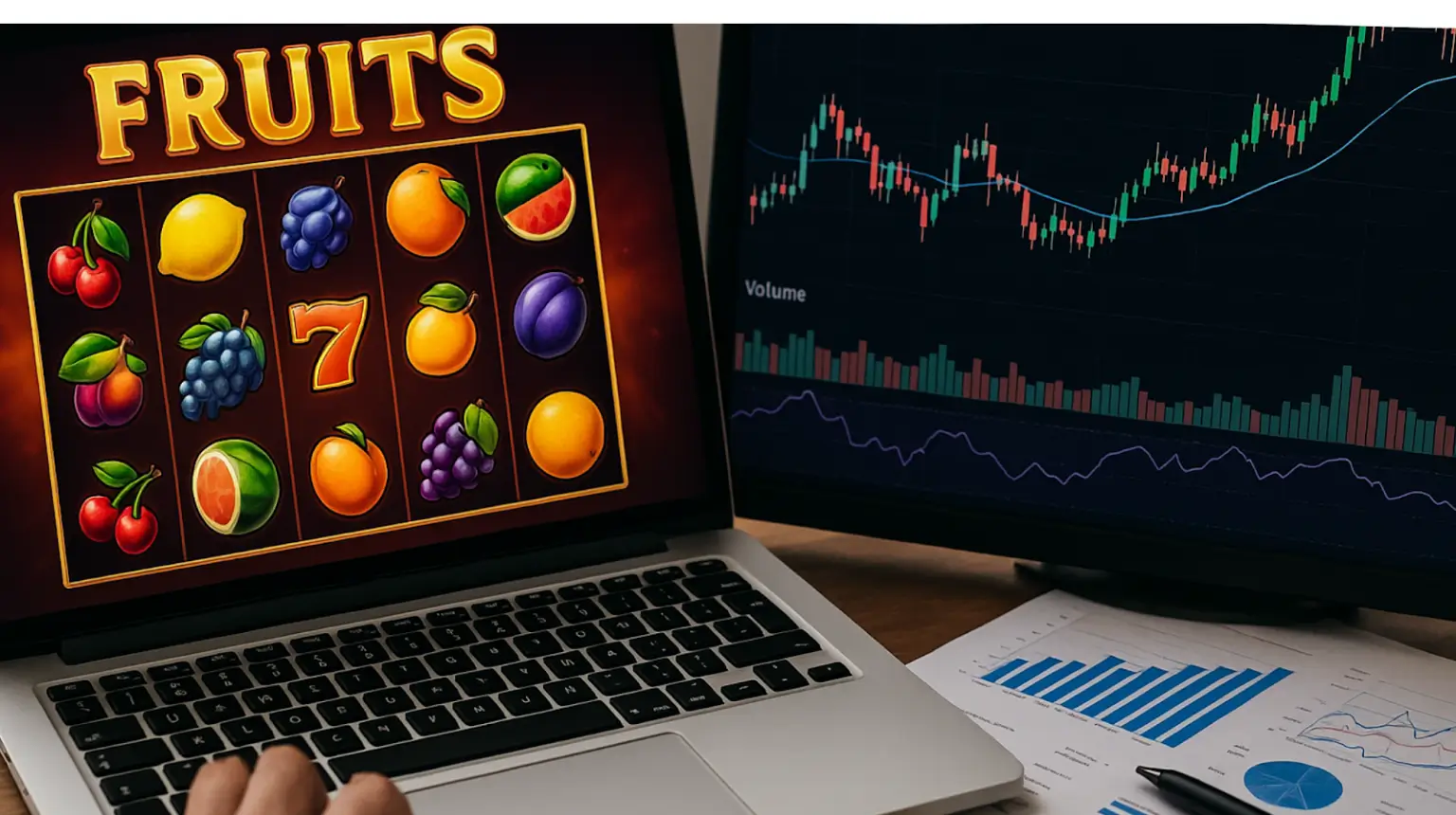
It’s hard to ignore how digital slot games keep reshaping what entertainment means, whether people are on a phone or glued to a desktop. These days, designers draw on a mix of tech tools to pull users in, sometimes for hours, though that really depends. There’s a lot going on beneath the surface: things like RNGs, how volatile the gameplay feels, even the variety of paylines, they all color the experience, making each title feel, well, fresh or at least unpredictable enough to hold attention. Industry sources suggest slots might account for over three-quarters of online gaming revenue, which, if that number’s anywhere near true, explains why developers are always tweaking things, both behind the curtain and out front. New releases, like gates of olympus and a bunch of other slots, seem to enhance with flashier graphics, creative bonuses, and bolder ways to interact. As digital platforms keep evolving (maybe even accelerating, some would argue), zooming in on the technical side starts to reveal patterns, or at least hints at where all this could be heading.
Evolving fundamentals of slot mechanics
So, about those Random Number Generators. Pretty much every slot game, online or otherwise, relies on them now. They churn out thousands of number combinations per second, making it virtually impossible to predict what comes next. That said, claims about pure randomness and absolute fairness always leave room for a little skepticism.
Some developers play around with how often certain outcomes pop up, adjusting things for different types of players. Meanwhile, payline designs have turned into a bit of a labyrinth, video slots can have, what, over a thousand ways to align these days? Every reel piles up with symbols and themes, all feeding into how features trigger or bonuses drop.
Volatility, people also call it variance, just describes how unpredictable a slot feels. If you gravitate toward big, rare features, high-volatility games might be your thing. Prefer smaller but steady interactions? There are slots for that, too. It’s a balancing act, helping casinos or platforms appeal to more players at once.
The RTP, or Return to Player, floats somewhere around 92% to 98% (at least, that’s what’s claimed), giving a rough map of potential interactions over time. Some industry stats say that players keep drifting toward higher-RTP titles, which could point to a bigger push for transparency… or maybe just smarter players?
Online integration and standout slot features
Probably the single greatest shift has been the migration from physical cabinets to online platforms. Here, slots like gates of olympus online gain popularity thanks to accessibility and rapid updates. adaptive technology lets developers adjust UI elements and bonus mechanics virtually in real time, responding to trends and user feedback. Session length and repeat engagement are higher in mobile-optimized environments.
When it comes to visuals and features, game symbols tend to act as cues; new players spot familiar images and, maybe without even thinking about it, scan for what could align. Nowadays, online slots seem to treat things like progressive interactions and roaming multipliers as table stakes. Free spins, too. Usage data from Gamix Labs indicates that features, stuff like cascading interactions or bonus mini-games, can bump up play sessions by around a fifth, give or take. Touch controls especially have influenced design; interfaces need to be nimble, quick to load, and feel right whether you’re on a tablet or just tapping your phone.
Technology trends shaping digital slot evolution
Artificial intelligence is reshaping online gaming by analyzing data to personalize bonuses and challenges. AI also adjusts volatility, though its transparency is unclear. Mobile gaming dominates, with about 60% of slot spins occurring on smartphones last year.Virtual and augmented reality are emerging, offering 3D experiences still in early testing. Meanwhile, blockchain is gaining traction in payments and fairness verification, with Bitcoin and Ethereum increasingly used in online casinos to enhance security and transparency, reassuring players that games are trustworthy and tamper-free. Together, these technologies are redefining the gaming landscape.
The future of slot innovation and player experience
Gaming and gambling are increasingly merging, with social elements like leaderboards, tournaments, and community-based bonuses becoming common. Cloud infrastructure helps slot games manage large surges in activity smoothly. Borrowing from video games, modern slots now feature goals, narratives, and unlockable content aimed at millennial and Gen Z players.
Emerging AR and VR could soon enable shared online slot lounges with live hosts and interactive features. The industry is also pushing for seamless cross-device play, allowing users to switch between desktop, phone, and tablet effortlessly. While mainstream adoption may take time, expectations for such integration are steadily growing.
Encouraging responsible slot play
As things get more advanced, there’s been a clear push for safety checks: reminders that encourage breaks, simple deposit caps, ways to manage how long you’re playing. And regulators now expect easily found self-exclusion links right in the interface, no hunting required. Operators are basically required to tell you the RTP up front and give you tools to control your own budget.
As more people get curious about volatility and whether a game is actually fair, bits of education pop up here and there to help folks figure it out. Ideally, the industry is trying to juggle two things at once: offering games people want to play, while also giving them enough support to play smart, or, at the very least, stay in control. Whether that balance always works out, well, that’s probably still up for discussion.