ShowNo After Shark Tank: What Happened to Lori’s Deal?
ShowNo accepted Lori Greiner’s offer on Shark Tank, but the post-show relationship became complicated. Here is what is verified about the deal and company.

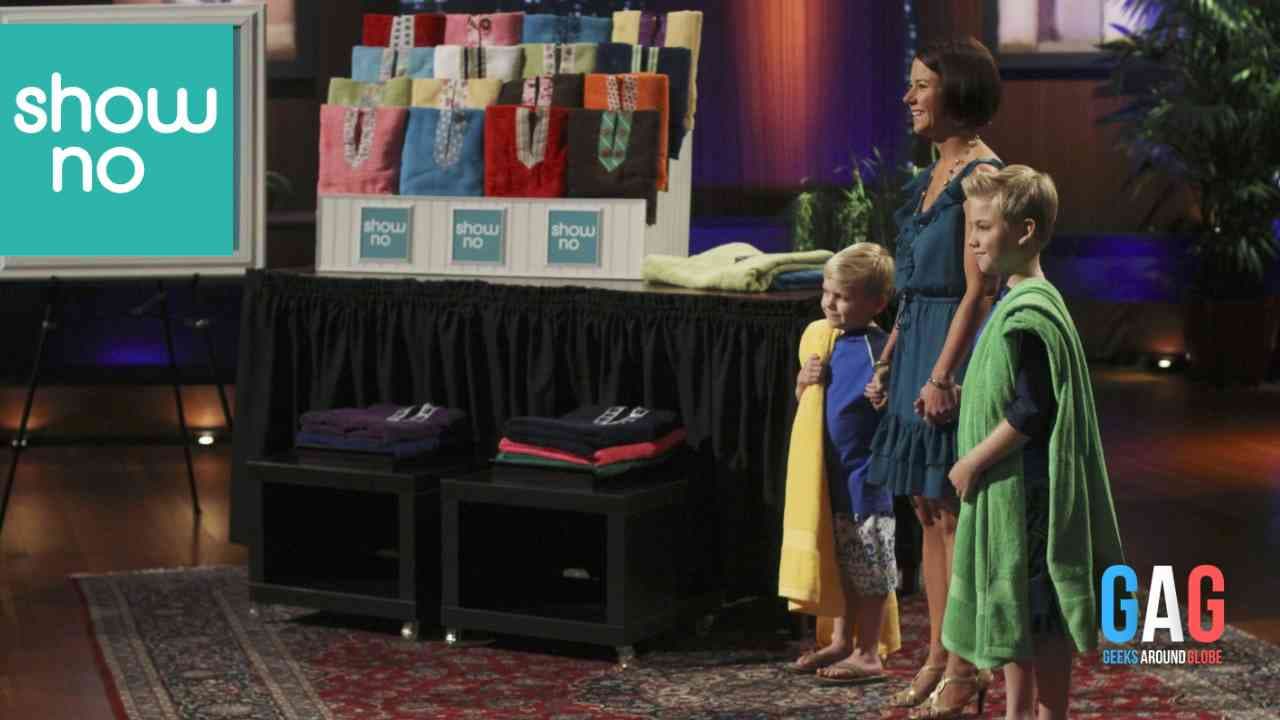
Shelly Ehler's ShowNo looked like one of Shark Tank Season 3's strongest television outcomes. Lori Greiner offered $75,000 for 25% of the wearable-towel company, and Ehler accepted. What followed was more complicated than the handshake suggested.
Quick answer: ShowNo accepted Lori Greiner's $75,000-for-25% offer on air, but Ehler later described revised terms and a business relationship that did not unfold as expected. The exact legal and financial outcome is not fully established, and no active original-brand store could be verified.
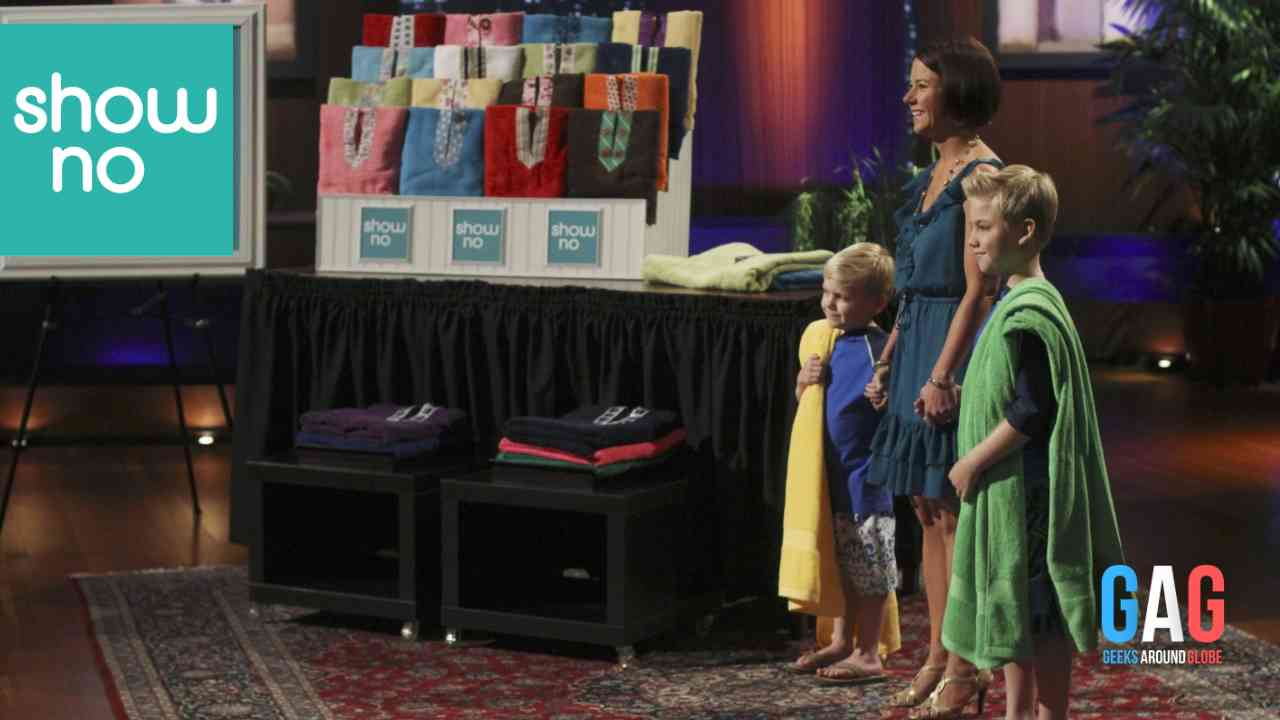
Shelly Ehler demonstrates ShowNo towels on Shark Tank. Photo: ABC/GAG
ShowNo at a glance
| Detail | Verified information |
|---|---|
| Founder | Shelly Ehler |
| Product | Wearable towel for changing swimwear with coverage |
| Shark Tank season | Season 3 |
| Ask | $50,000 for 25% equity |
| On-air offer accepted | $75,000 for 25% |
| Shark | Lori Greiner |
| Post-show outcome | Founder reported revised terms and partnership problems |
| Current status | No verified active original-brand store |
The on-air offer implied a $300,000 company valuation. It was not a verified current valuation, sales figure or measure of Ehler's personal net worth.
For the full season context, read our Shark Tank Season 3 products, deals and updates guide.
What was ShowNo?
ShowNo was a towel designed to help children and adults change in and out of swimwear with more coverage. A central opening allowed the towel to be worn like a poncho while the user changed underneath it.
Ehler developed the idea around a practical family problem: changing clothes at pools, beaches and other public settings. The design could also function as a conventional towel, making its use easy to demonstrate.
The product had a direct audience among parents, swimmers and water-park visitors. Its business potential depended on manufacturing, seasonal demand and access to high-volume venues or retailers.
What happened in the Shark Tank pitch?
Ehler asked for $50,000 in exchange for 25% equity. Lori Greiner offered $75,000 for 25%, and Ehler accepted.
That televised result gave ShowNo a $300,000 implied valuation under the accepted terms. However, a television agreement is followed by due diligence and final contracts. It should not automatically be reported as completed funding.
| Pitch figure | On-air result |
|---|---|
| Amount requested | $50,000 |
| Equity offered | 25% |
| Accepted offer | $75,000 for 25% |
| Implied valuation | $300,000 |
| Shark | Lori Greiner |
ShowNo appeared in the same episode as The Swilt, Puppy Cake and Wine Balloon. Its later story is a reminder that the most dramatic on-air agreement can become the most complicated post-show relationship.
Did the Lori Greiner deal close?
The available record does not support describing ShowNo as a simple, completed equity investment on the exact televised terms.
In a later interview published by Parade, Ehler described problems after filming and said the arrangement changed. Other dated coverage, including 2Paragraphs' report on Ehler's founder blog, shows that she publicly criticized how the relationship unfolded.
Those accounts support saying the post-show partnership broke down. They do not provide a complete signed contract, payment ledger or legal judgment establishing every detail. It would therefore be unfair to present disputed allegations as proven fact or to assign all responsibility to one party.
The accurate distinction is:
- Ehler accepted Greiner's offer on television.
- The parties continued interacting after filming.
- Ehler later said the terms and relationship did not match her expectations.
- The evidence reviewed does not establish a straightforward completed investment on the original terms.
What happened to ShowNo after Shark Tank?
ShowNo received exposure and pursued promotional opportunities after the episode. Secondary reporting associates the product with activity involving Disney and with further manufacturing or promotional efforts.
The surviving public timeline is inconsistent, however. Some reports describe a 2016 closure, a 2018 relaunch and another shutdown in August 2020. We did not recover a direct company closure notice or primary records confirming that entire sequence.
As a result, this article does not assign a definitive closure year. It also does not use later founder activity as proof that the original ShowNo business remains active.
No verified current official shop, recent product catalogue or continuing original-brand retailer relationship was found in our review.
Is ShowNo still in business?
An active ShowNo retail operation could not be verified. Old images, media appearances and retailer mentions remain online, but they do not establish current sales or order fulfillment.
Current assessment: ShowNo has no verified active original-brand store. Later reports indicate closure and attempted revival, but the precise final operating date remains insufficiently documented.
Anyone encountering an old purchase link should check whether it belongs to the original company, whether the product is in stock and whether the seller has recent fulfillment information.
ShowNo valuation and net worth
ShowNo's accepted on-air offer of $75,000 for 25% implied a $300,000 valuation at the time of the pitch. That figure described proposed deal terms, not cash already received and not a current company value.
It does not reveal:
- the company's eventual investment proceeds;
- post-show revenue or profit;
- the value of inventory or intellectual property;
- or Shelly Ehler's personal net worth.
Because the final investment terms remain unclear and current operations are unverified, any present-day valuation would be speculation. Older articles that label the pitch valuation as “net worth” confuse separate financial concepts.
What founders can learn from ShowNo
ShowNo offers several lessons about televised investment negotiations.
First, the handshake is not the closing. Founders should expect due diligence, contract drafts and possible term changes after filming.
Second, every contribution should be written clearly. Money, equity, promotional support, manufacturing help and retail introductions are different promises and should not be blended into a vague idea of partnership.
Third, seasonality matters. A swim-related product may experience concentrated demand, requiring careful inventory planning and other sales channels for the rest of the year.
Finally, public disagreement needs responsible reporting. A founder's account is important evidence, but disputed claims should be attributed rather than written as an independent finding.
Frequently asked questions
Who founded ShowNo?
Shelly Ehler founded and presented ShowNo on Shark Tank.
What was ShowNo?
ShowNo was a wearable towel designed to provide coverage while changing swimwear.
How much did ShowNo ask for?
Ehler asked for $50,000 for 25% equity.
What deal did Lori Greiner offer?
Greiner offered $75,000 for 25%, and Ehler accepted on television.
Did the ShowNo deal close?
The post-show relationship continued in some form, but Ehler later described revised terms and serious problems. The evidence does not support describing it as a straightforward completed investment on the televised terms.
Is ShowNo still available?
We could not verify an active original-brand store or current official product catalogue.
When did ShowNo close?
Secondary reports give different closure and relaunch dates. Without a primary final closure notice, this article does not assign a definitive year.
What is ShowNo worth today?
There is no reliable public evidence supporting a current company valuation or founder net-worth estimate.
The weekly question
From obsession to clarity — one original question every week.
We answer one noisy topic at a time, in full. No daily roundup, no thread bait — just the question, the principles, and the system.