Separating circuits, strengthening electrical protection
Learn how isolator switches and RCCBs serve different roles in electrical protection, and what to consider when selecting and installing them.
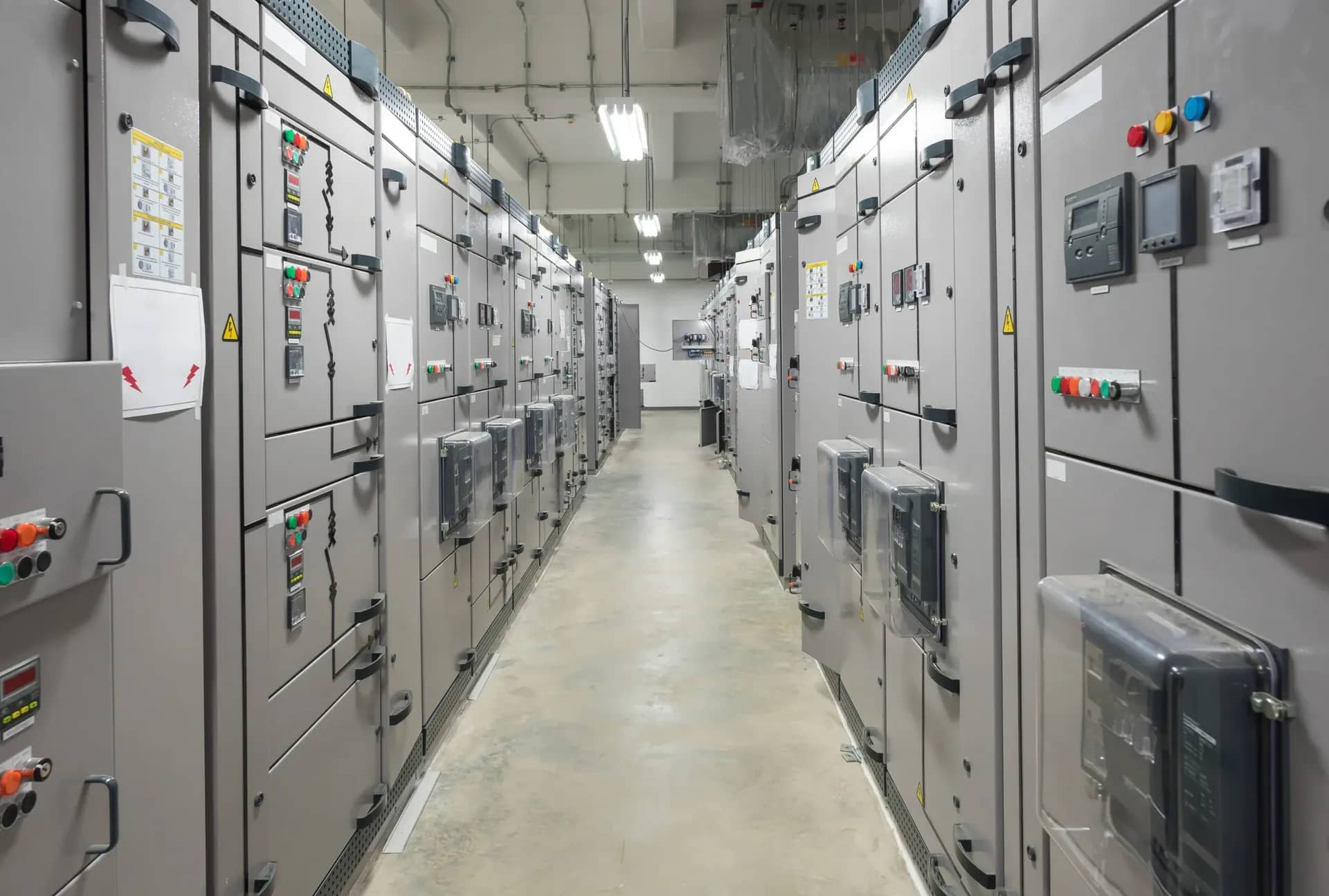
Electrical systems need more than one form of protection to operate safely. Devices used for isolation and fault protection perform different functions. An isolator can provide a clear means of disconnecting a circuit, while an RCCB responds to residual current that may indicate an electrical fault.
Different roles
An isolator switch is used to manually disconnect an electrical circuit during maintenance or an emergency. It provides a direct way to separate the circuit from the supply when work needs to be carried out safely. Isolators are available in different pole configurations, depending on the requirements of the electrical installation.
Isolation and fault protection should not be treated as the same function. An isolator is primarily concerned with disconnecting a circuit, whereas an RCCB monitors the flow of electricity and can cut off the supply when it detects a residual-current problem.
Residual protection
An RCCB, or Residual Current Circuit Breaker, monitors the current moving through a circuit and responds when there is an imbalance. If some current leaks from its intended path, the device can detect the residual current and disconnect the supply.
RCCBs can be available in different configurations, including two-pole and four-pole versions. The arrangement depends on the electrical system. Rated current, rated voltage and residual-current characteristics are among the technical details that need to be considered when assessing suitability.
Choosing the right role
The protection requirements of an installation should be considered before selecting switchgear. An isolator may be needed where a circuit requires manual disconnection, while an RCCB may be used where residual-current protection is required. They can form part of the same installation without replacing one another.
For the wider installation, it also helps to review key features to consider when selecting electrical switchboards.
Technical specifications provide a useful starting point for comparison. Details such as rated current, voltage, number of poles, residual-current characteristics and applicable standards can help determine whether a device matches the requirements of a particular circuit. The wider protection arrangement should also be reviewed to ensure that the devices work together as intended.
Installation matters
Installation can affect how easily switchgear can be reached, operated and maintained. Clearly marking each device also makes it easier to identify the correct isolation point during maintenance work. Connections need to be made according to the specified installation requirements, with the device positioned appropriately within the electrical system.
Regular inspection and testing can help assess whether the protection arrangement is operating as intended. The tests required can differ based on the device, electrical system and installation environment. Technical information from the manufacturer and relevant electrical requirements should be followed when installing, testing and using the equipment.
Conclusion
Both devices have a place in an electrical protection system, but their functions are not the same. An isolator switch is used when a circuit needs to be disconnected manually, while an RCCB is intended to respond to residual current and disconnect the supply when the detected condition reaches its operating level.
Considering these roles alongside the circuit configuration, technical specifications and installation requirements can help establish a protection arrangement suited to the electrical system.
The weekly question
From obsession to clarity — one original question every week.
We answer one noisy topic at a time, in full. No daily roundup, no thread bait — just the question, the principles, and the system.