
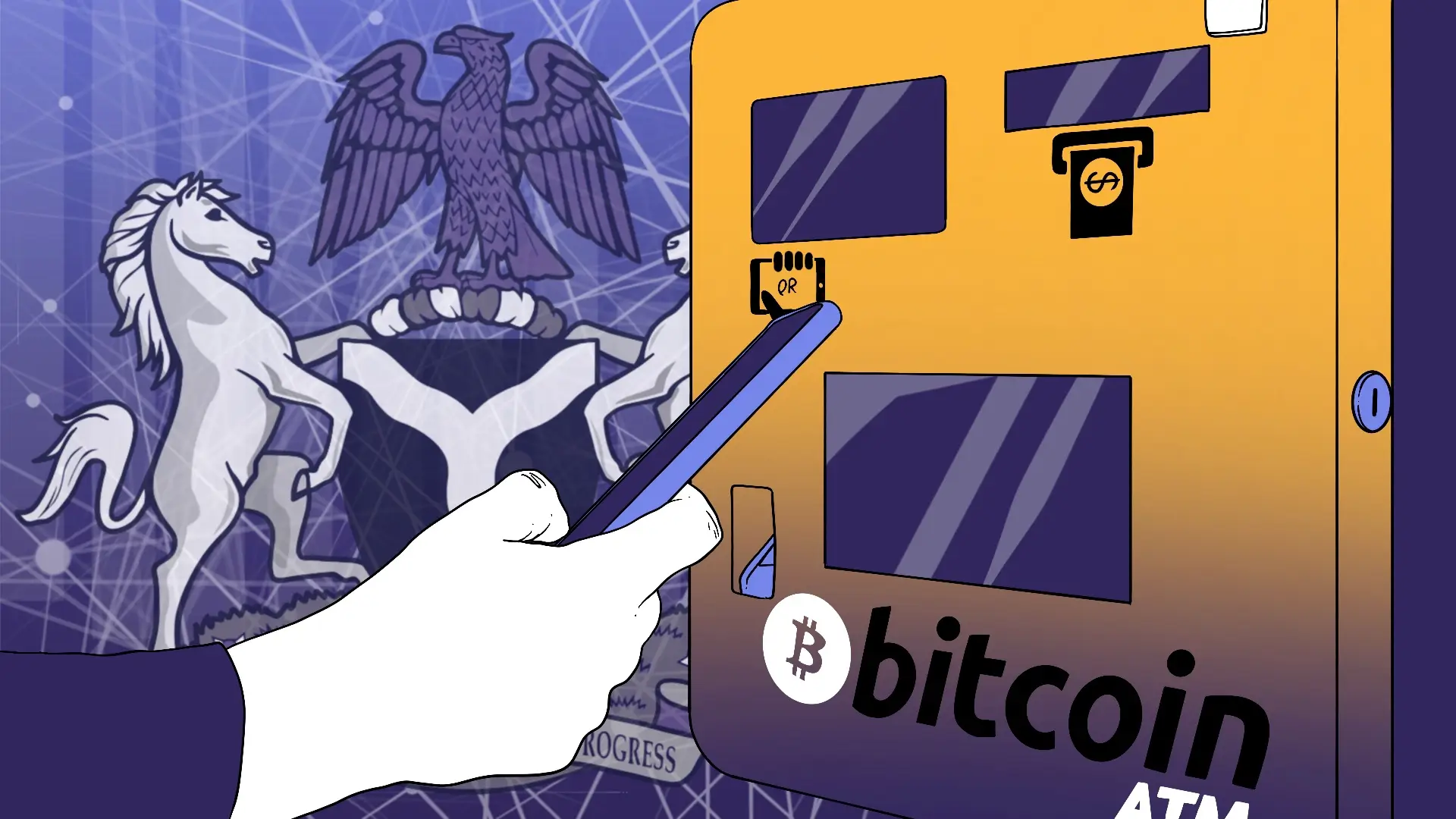
The first time someone uses a Bitcoin ATM, there’s usually a moment of hesitation.
You’re standing in a convenience store. The machine glows quietly in the corner. It looks like a regular ATM… except the screen says Bitcoin and suddenly you’re wondering:
Is this thing legit?
Am I about to send money into the digital void?
And why is the snack aisle watching me do this?
Fair questions. Crypto ATMs have exploded in popularity, popping up in grocery stores, gas stations, and shopping centers across the country. Convenience is great. But convenience without a little caution? That’s how people end up learning expensive lessons.
Finding safe Bitcoin ATM locations isn’t complicated—but it does require a bit of strategy. Here’s a simple three-step framework seasoned users follow before feeding cash into any machine.
Step 1: Start With Verified Maps (Not Random Google Results)
Let’s be honest—most people begin their search the same way: a quick Google search for “Bitcoin ATM near me.”
The problem? Not every listing is current. Machines move. Businesses close. Some listings are incomplete or outdated. And occasionally, a sketchy location slips into the results.
That’s why the smarter starting point is a verified ATM directory.
Directories dedicated to cryptocurrency ATMs track machines across cities and provide updated details like operating hours, transaction types, and location descriptions. Think of it as a filtered map of legitimate Bitcoin ATM locations, not just a scattershot search result.
A reliable listing usually includes:
- Store name or business location
- Hours of operation
- Transaction limits
- Fee information
- Instructions for first-time users
For example, directories like this overview of Bitcoin ATM locations show machines mapped across major cities, making it easier to identify legitimate options quickly.
In short: don’t wander blindly through search results. Use a curated map first.
Your future self will appreciate the five seconds of extra effort.
Step 2: Look Around the Room (Yes, Really)
Once you’ve found a machine, pause for a moment before starting the transaction.
Take a look around.
Seriously.
Where a Bitcoin ATM is located often tells you everything you need to know.
Safe machines usually live in busy, visible environments—grocery stores, pharmacies, or large convenience chains where people come and go all day. That foot traffic matters. Visibility discourages tampering and reduces the odds of someone hovering nearby waiting for an easy target.
Here are a few green flags:
Bright lighting.
No dark corners. No dusty back rooms.
Security cameras or staff nearby.
If employees are around, the machine is likely monitored.
Clear instructions on the screen.
Legitimate machines guide users step-by-step.
And a few red flags?
Machines hidden in quiet spaces or poorly maintained locations. If something feels off—trust that instinct.
The U.S. Federal Trade Commission has even warned that many crypto scams involve directing victims to isolated ATMs where funds are quickly transferred and difficult to trace. The environment matters more than people realize.
Sometimes the safest financial decision is as simple as choosing the machine next to the checkout counter instead of the one behind the soda fridge.
Step 3: Read the Screen Like a Skeptic
Here’s where many people rush.
They walk up. Insert cash. Tap “confirm.” Done.
But Bitcoin ATM transactions are usually irreversible. Once the blockchain records it, that’s the end of the story.
So slow down and read what the screen tells you.
Legitimate machines display key details before you finalize anything:
- The current Bitcoin exchange rate
- Transaction fees
- Minimum and maximum purchase limits
- Identity verification requirements
If any of that information is missing—or feels unclear—it’s worth reconsidering the transaction.
Another simple trick seasoned users follow: start small.
A quick test transaction lets you confirm the machine works as expected before committing a larger amount. Think of it like dipping a toe in the water instead of diving straight in.
The U.S. Consumer Financial Protection Bureau also recommends verifying transaction details carefully before inserting cash into any cryptocurrency ATM.
In other words: treat the machine like you would any financial tool—with a little healthy skepticism.
The Bottom Line: Convenience Is Great. Awareness Is Better.
Bitcoin ATMs have quietly become one of the easiest ways to access cryptocurrency. What once required exchange accounts and complicated setup can now happen in a matter of minutes at a nearby store.
But the ease of access sometimes hides an important truth: these machines still involve real money, real transactions, and real risks.
Fortunately, avoiding those risks doesn’t require technical expertise.
Just remember the framework:
Find verified Bitcoin ATM locations.
Choose busy, visible environments.
Read every transaction detail before confirming.
Three steps. A few extra seconds. And a much smoother crypto experience.
Because the last thing anyone wants while buying Bitcoin is that lingering thought afterward:
“Wait… was that machine actually legit?”