
Chasing lost shoes, calming big emotions, or helping your kid remember what they were just about to do… Parenting a child with ADHD can sometimes feel like you’re constantly trying to catch up. But behind the chaos, there’s something powerful: structure.
When life feels predictable, children with ADHD feel safer, calmer, and more capable. The goal is to create routines that support focus, reduce frustration, and build confidence.
Here are seven simple routines that can transform your days at home and help your child thrive.

alt text: A family of four walking hand-in-hand along a path at sunset. The warm golden light creates silhouettes of the parents and two children, symbolizing togetherness and love.
1. Start the Day with a Grounding Morning Routine
Mornings can easily spiral into stress. But when kids with ADHD know what’s coming next, their nervous system stays calmer.
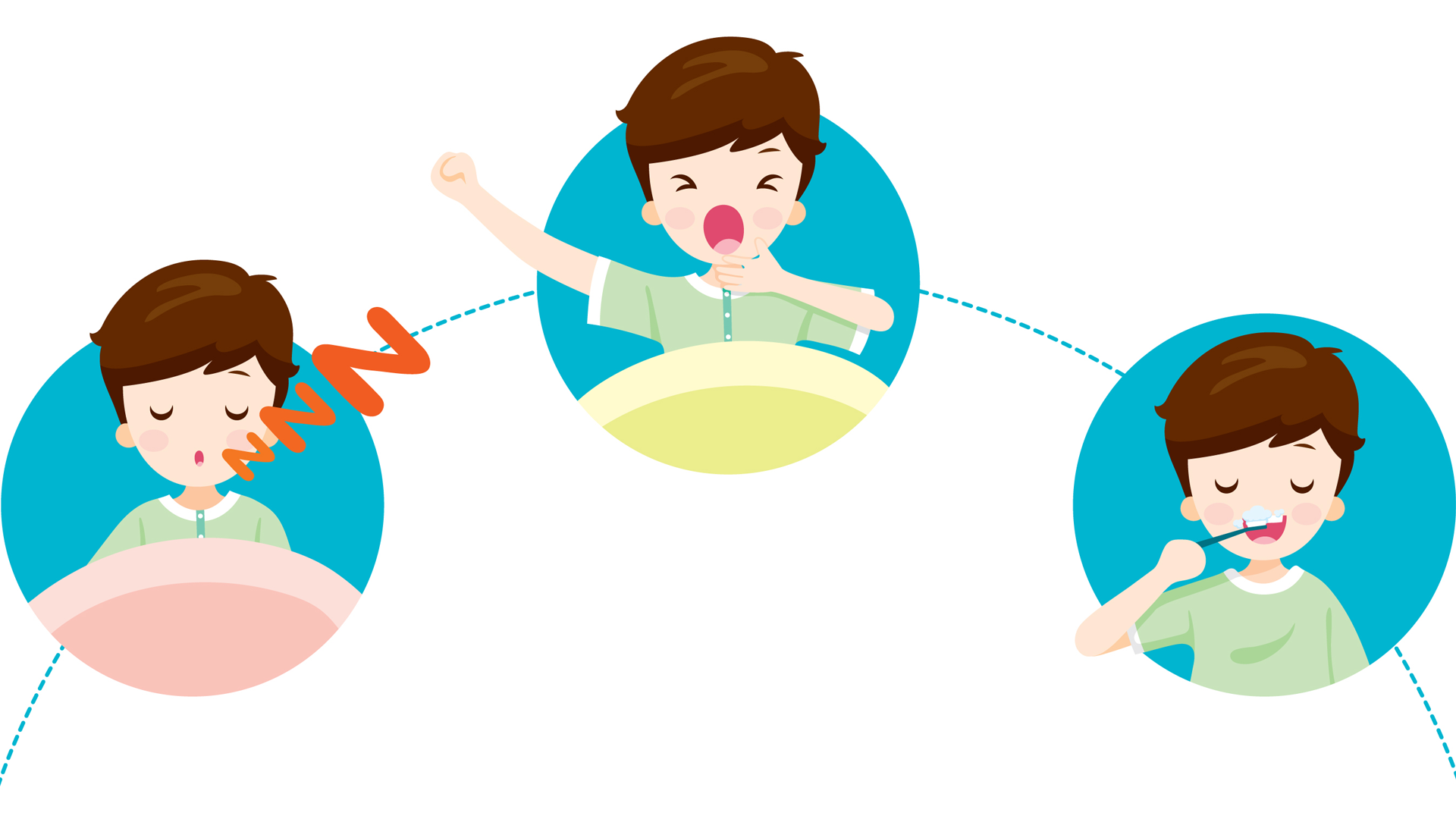
Create a visual morning routine with pictures or words that show each step: get dressed, eat breakfast, brush teeth, pack the bag. Keep it simple and consistent.
Try adding a short “connection moment” at the start of the day, such as a hug, a quick chat, or a minute of shared quiet time. It helps regulate your child emotionally before the day begins.
If mornings are still tough, focus on progress, not perfection. A calm start matters more than a perfectly followed checklist.
2. Use Micro-Timers for Focused Activities
Kids with ADHD often struggle to start (or to stop) an activity. Using short, visual timers helps create boundaries they can understand.
For homework, try breaking time into 10–15 minute “focus blocks.” After each one, they get a mini break. This teaches pacing and gives their brain small wins.
During transitions (“five more minutes until we leave”), a timer removes the power struggle. The clock becomes the “bad guy,” not you.
It’s simple but powerful: when time feels visible, it becomes manageable.
3. Create an After-School Cool-Down Ritual
School takes enormous effort for children with ADHD: holding in emotions, sitting still, and trying to focus. When they get home, they need to release before they can re-engage.
Build in a consistent 15–30 minute “decompression window.” That might look like quiet play, jumping on the trampoline, or just lying on the floor with music. Avoid jumping straight into homework or chores.
If you’re worried they’ll never transition back, use a gentle bridge activity: a snack together, or a “when/then” phrase (“When you finish your snack, then we’ll start homework”).
This simple rhythm (effort, rest, restart) supports their emotional regulation more than any punishment or reward system ever could.
4. Make Evenings Predictable (But Peaceful)
Evenings are often when fatigue and emotions collide. Having a gentle, repeatable flow helps everyone stay grounded.
Keep the bedtime routine the same every night, even on weekends: dinner, bath, quiet time, story, sleep. Repetition soothes an ADHD brain because it takes away the unknowns.
Avoid screens at least an hour before bed not as a punishment, but as a kindness to their overstimulated mind. Dim lights, soft music, or a weighted blanket can all signal, “It’s time to rest.”
If your child resists bedtime, focus on the connection: “Let’s read together for ten minutes.” A peaceful routine works better than endless reminders.
5. Use “Body Breaks” Throughout the Day
Movement is not a distraction; it’s a biological need for kids with ADHD. Their brain uses movement to reset attention and regulate emotions.
Schedule body breaks every 30–45 minutes, especially during homework or chores. Jumping jacks, stretching, or dancing to a favorite song are great options.
If your child is resistant to structured breaks, turn it into a game: “Can you beat your record for how many times you can hop in 30 seconds?”
The key is to make movement part of your home’s rhythm, not a reaction to frustration. When the body resets, the brain refocuses.
6. Set Up a “Launch Pad” to Avoid Morning Chaos
One of the biggest ADHD stressors? The morning rush to find everything. The solution is surprisingly simple: a “launch pad.”
Pick a dedicated spot near the door, like a basket, shelf, or cubby. Every evening, your child puts their backpack, shoes, and coat there. Add a checklist if needed: homework, lunchbox, permission slips.
This small habit builds independence. Your child starts learning that organization is about preparation.
Parents often underestimate how empowering this can feel. Instead of constant reminders, your child knows exactly where to look and what to do.
Less nagging, more confidence. That’s the goal.
7. End the Day with a Connection Routine
Even after a rough day, kids with ADHD need to know they’re still loved and accepted. A short, predictable bedtime ritual reinforces that sense of safety.
It doesn’t have to be elaborate. You might share one “rose and thorn” (the best and hardest part of the day), or one thing you’re both grateful for.
Some families create a small mantra, like: “We always love each other.” Over time, that phrase becomes a grounding anchor.
End the day with warmth. When children feel emotionally secure, they develop better self-regulation not because they’re told to, but because they feel safe enough to try.
Building a Home That Supports
These routines don’t have to be perfect or strict. What matters is that they create a rhythm your child can rely on.

alt text: A happy family taking a selfie together inside their home. Two parents smile warmly while holding their two young children close; everyone looks joyful and relaxed in a cozy, well-lit room.
Children with ADHD thrive in homes where adults lead with connection instead of correction, structure instead of strictness, and patience instead of punishment.
Start small, just one new routine at a time. Notice what helps your child feel calm and capable, and build from there.
Parenting a child with ADHD is a long journey, but it’s one filled with growth, humor, and surprising joy. You don’t have to do it alone; there are tools, guidance, and communities designed to help.
If you want to go deeper, explore Parenting Leader’s Parenting Kids with ADHD course, where you’ll learn practical techniques to stay patient, build structure, and connect through even the toughest moments.
Because every child deserves a home that helps them thrive.