
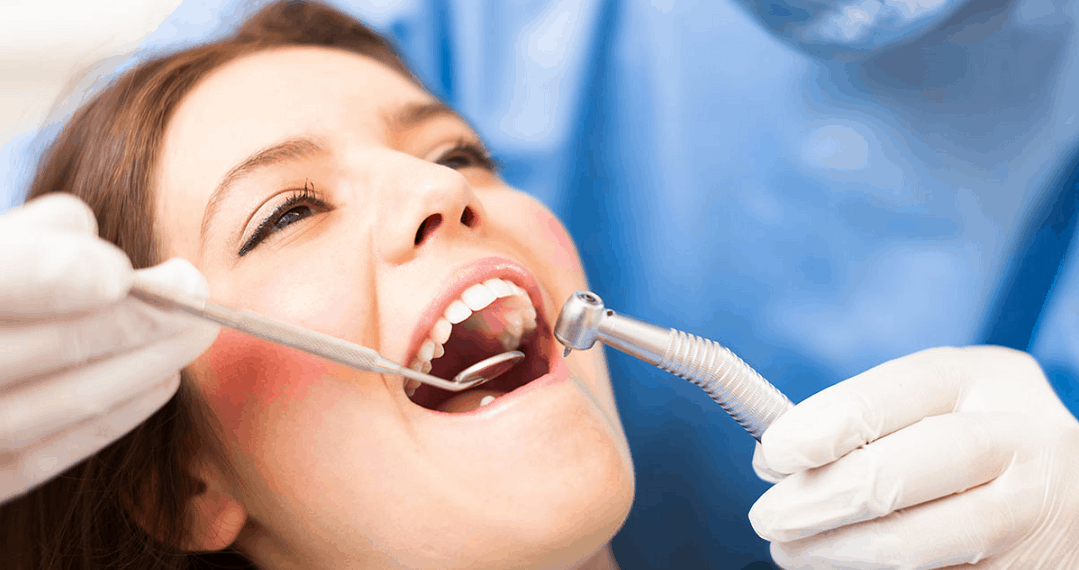
A root canal sounds like a big step, yet it serves as a reliable way to save a natural tooth when decay or damage has moved deeper than expected. Many people feel some uncertainty around this treatment. However, knowing why a tooth might need it can clear up a lot of that worry.
Anyone who reaches out to a Peabody dentist quickly learns that this treatment supports long-lasting oral comfort and strength. It also helps prevent bigger dental problems that could disrupt routines. Below are five clear reasons a root canal becomes the smart choice.
- Deep Decay Reaching The Inner Layer
Tooth decay can spread quietly until it touches the inner part of a tooth where nerves and vessels sit. Once it enters this space, discomfort grows, and chewing becomes harder. At this stage, surface repair is no longer enough to protect that tooth.
A root canal clears the infected area so the structure can stay in place. This approach reduces sensitivity and restores a natural bite. It keeps the rest of the mouth stable and allows the treated tooth to function well again.
- A Crack Or Chip That Reaches The Pulp
A small chip may seem harmless, yet some breaks reach deeper layers. When a crack spreads close to the pulp, air and bacteria can slip inside. This leads to swelling and sharp twinges during meals or cold drinks.
Root canal treatment in Peabody secures the tooth from the inside and protects it from further damage. After the nerve area is cleaned, the tooth can be covered with a crown for strength. This gives the person a way to keep the natural shape and avoid tooth loss.
- A Tooth Injury From Impact
A sudden hit to the mouth, even without a visible break, can injure the pulp. The tooth may darken, feel tender, or react strangely to temperature changes. These signs show that the nerve area has suffered more than the surface suggests.
Treating the tooth in Peabody with a root canal relieves pressure caused by internal damage. It keeps the tooth stable, so chewing stays comfortable. This care supports the surrounding teeth as well, since they do not need to shift or adjust.
- Lingering Sensitivity And Swelling
When sensitivity lasts for long stretches, especially near the gum line, it points to deep irritation. Warm foods might cause a dull throbbing that does not fade quickly. In some cases, small gum bumps form as the body reacts to trapped bacteria.
A root canal directly addresses the source of this irritation. Cleaning out the infected material removes the cause of the swelling. The final restoration seals the tooth so the area can settle and feel steady again.
- Recurrent Problems After A Large Filling
Large fillings support a tooth for many years, yet the structure around them can weaken. Tiny openings can form, giving bacteria a path inward. Sensitivity that returns after a filling repair signals that the inner chamber needs care.
A root canal clears the chamber and keeps the outer structure usable. This makes it possible to preserve the natural tooth while avoiding more complicated procedures. It also supports smoother chewing and cleaner gum health.
A root canal brings stability back to a tooth that has faced decay, trauma, or deep irritation. It allows a natural smile to stay intact and helps prevent issues that may disrupt daily comfort. Anyone who works with a Peabody dentist gets treatment that aims to protect teeth and keep them strong. The process clears infection, secures the structure, and supports a healthy bite. With the right care, the restored tooth feels steady, dependable, and ready for regular use.