
How Material Choices Influence Longevity and Performance in Roofing
Roofing material choices directly impact longevity and performance by affecting durability, weather resistance, and how well the roof handles installation challenges.
Material choice is one of the biggest predictors of how long a roof will last and how well it will perform. The same house, in the same climate, can see very different outcomes depending on whether the roof is built with standard asphalt, standing-seam metal, tile, or slate-style shingles.
Longevity isn’t just “years until replacement.” It’s resistance to sun, wind, hail, thermal cycling, and water, plus how forgiving the material is if ventilation, flashing, or installation details aren’t perfect.
Material chemistry matters: some products get brittle under UV, and others corrode or crack.

Weather, Loads, And The Real Drivers Of Roof Lifespan
Every roofing material is a weather shield that expands and contracts, sheds water, and takes impact. UV exposure and heat drive aging in most products; wind tests fastening strength; and freeze-thaw cycles punish anything that lets water sneak underneath and refreeze.
Valleys, penetrations, and low-slope transitions concentrate water flow and raise leak risk. In snowy regions, ice dams can quickly expose weaknesses in ventilation, insulation, and flashing.
Just as important are the “hidden” layers: deck condition, underlayment quality, ventilation, and flashings at chimneys, walls, and skylights. A premium surface material can still fail early if water is trapped or if water is guided into the wrong places.
Natural Slate Vs. Synthetic Slate
Natural slate is famous for longevity, but it’s expensive, heavy, and requires specialized installation skills. It isn’t as forgiving if the roof structure, fastening methods, or detailing are off; even small mistakes can lead to cracked pieces or difficult repairs.
Synthetic slate aims to capture the same upscale appearance as you, reducing weight and complexity.
Many products are engineered from blends of polymers, rubber, plastics, asphalt, cement, or even steel, which helps them resist water and impact and remain lighter than quarried stone.
High-quality synthetic slate can be Class A fire-resistant, offer strong water-shedding performance, and include UV-resistant finishes that help preserve color and curb appeal.
Synthetic slate can be appealing when you want performance and aesthetics in one package for homes with traditional architecture or historic styling. If you’re comparing options, Roof Troopers’ guide to stylish roofing solutions highlights common reasons homeowners choose synthetic slate, including customization, insulation benefits, and long-term warranties. It is often lighter than natural slate, which can reduce structural requirements during installation.
This makes it a practical option for retrofits and older homes. Many products are engineered to resist cracking from freeze-thaw cycles.
Maintenance demands are lower compared to natural stone alternatives. These factors can make synthetic slate a balanced choice for longevity and design consistency.
Asphalt Shingles: Affordable, But Maintenance Matters
Asphalt shingles remain popular since they’re widely available, cost-effective, and easy to repair in sections.
Performance varies by tier: thicker laminated shingles handle wind and heat better than thin three-tab products, and upgraded impact ratings can matter in hail-prone areas. Asphalt is more sensitive to heat and UV than many other options.
Good attic ventilation helps slow granule loss and curling, and routine upkeep, cleaning gutters, removing debris, and addressing small leaks early can prevent deterioration that forces an earlier replacement.
In humid shade, algae or moss can hold water at the surface and lift edges over time. Trimming overhanging branches and choosing algae-resistant products can help.
Metal Roofing: Long Service Life With Smart Details
Metal roofing can deliver long lifespans since it sheds water quickly, resists fire, and tolerates temperature swings without the same surface breakdown you see in asphalt.
Standing-seam systems, in particular, reduce penetrations and rely on concealed fasteners that are protected from direct weather exposure.
The tradeoff is that details matter. Properly designed flashings, compatible fasteners, and corrosion-resistant coatings are important near salt air or industrial pollution. In snow zones, planning for safe shedding and using snow guards can prevent property damage.
Clay And Concrete Tile
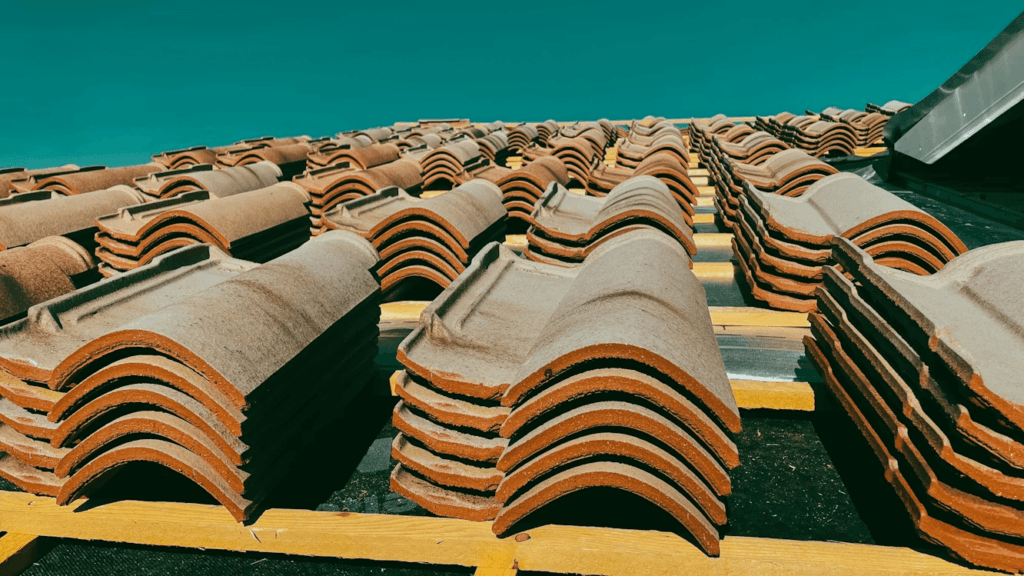
Clay and concrete tiles are inherently durable and handle sun exposure exceptionally well. They can improve energy performance by creating an air space that reduces heat transfer into the attic, which is a major advantage in hot climates.
Since tile is heavy, the structure below must be able to support it. And the tiles themselves can last a very long time, but the underlayment and flashing systems underneath often need attention earlier.
Tile roofs tend to “wear from the inside out,” so periodic inspections are key.

Matching Materials To Your Home, Budget, And Maintenance Style
The “best” roof isn’t universal; it’s the material that fits your climate risks, structural realities, and how you plan to maintain the home.
If you want the lowest upfront cost and easy repairs, asphalt may be right, but expect a shorter service window and more sensitivity to heat. If you want long-term resilience and fire resistance, metal is compelling, provided the installation details are handled correctly.
If you’re chasing a premium look with strong longevity, tile and slate-style systems can be excellent, but you’ll want to budget for inspections and, in the case of tile or natural slate, confirm your structure and installer experience match the material.
HOA rules, building codes, and insurance incentives for impact- or fire-rated systems can influence the smartest choice.
A short consultation with a qualified roofer can translate your priorities into a roof system that performs for decades. Ask what maintenance is expected, and which components (underlayment, ventilation, and flashing) will be upgraded to match the material you select.
From obsession to clarity — one original question every week.
We answer one noisy topic at a time, in full. No daily roundup, no thread bait — just the question, the principles, and the system.