
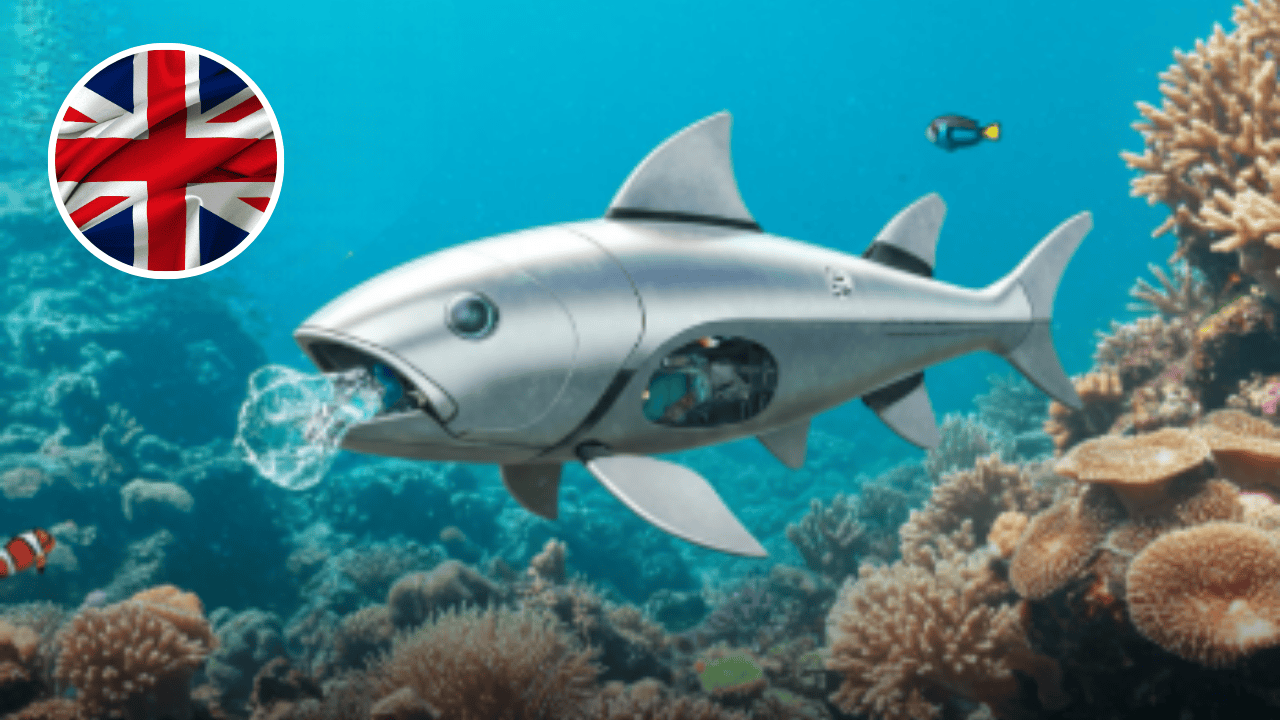
Meet Gillbert, a revolutionary robot fish designed to tackle one of the planet’s biggest problems—plastic pollution. Created by University of Surrey student Eleanor Mackintosh, this 3D-printed salmon-sized bot doesn’t just swim like a real fish, it devours microplastics and turns them into energy. That means no batteries, no charging—just pure eco-cleaning power.
The project started as a student-led innovation and has quickly become a global talking point. Gillbert is open-source and free to print, giving anyone the chance to build their own plastic-munching fish. Already tested in UK lakes, it has proven capable of filtering microplastics using a special mesh, showing that classroom projects can spark real-world solutions.
“We wanted to prove that even small ideas can make a big difference against plastic pollution,” said Eleanor Mackintosh, the creator of Gillbert.
The reaction online has been nothing short of awe. Many praised the ingenuity, calling it a glimpse into the future of sustainable tech. Environmental groups highlighted how scalable innovations like Gillbert could transform ocean clean-up efforts without the heavy costs usually involved.
Imagine a future where swarms of robotic fish roam polluted waters, silently cleaning oceans and rivers while fueling themselves on the very waste harming marine life. It’s not just science fiction—it’s happening now, and it could change how we fight plastic pollution forever.
Sources: princeea