
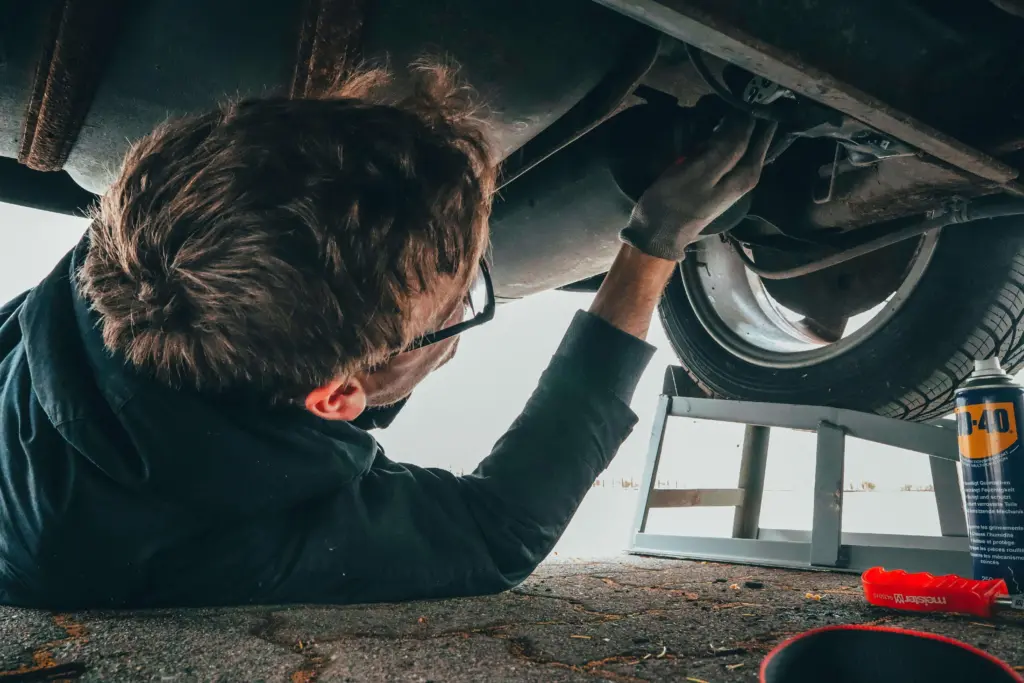
A new car purchase should bring peace of mind for the owners. People want their new vehicle to work well and last for years without major problems. But unfortunately, some cars are unreliable, as they bring up repairs again and again. In such scenarios, lemon laws in Washington give consumers the right to ask for a replacement or refund.
Knowing how to file a lemon law claim in Washington State is essential because it helps owners protect their rights. To succeed in these cases, repair documentation is the strongest proof. Without records, it becomes much harder to show what went wrong and how many times the car was taken in for service. This article will take you through why repair documentation matters so much for claiming lemon law in Washington.
Repair Records Give Weight to a Claim
Repair records are the most crucial evidence in these cases. They prove that the car was taken to a licensed shop for a real problem. Courts and arbitrators in Washington will take these documents seriously as they are created by service professionals. When a consumer makes a statement about constant issues, the paperwork will support it and make the claim stronger.
Dates and Mileage Show the Pattern of Trouble
Every service record should list the date of the repair and the mileage of the car at the time. These details tell the story of when the problem started, how long it lasted, and how many times the car was returned to the shop. If a car is back in the garage several times in a short period, it becomes clear that something is very wrong. Without dates and mileage, the story is incomplete and harder to prove.
Types of Documents that Strengthen a Case
Consumers should keep every piece of paper connected to their car’s repair history. The following documents are especially important:
- Service invoices from the dealership or licensed repair shop.
- Work orders that describe the reported issue.
- Notes from the technician explaining what was checked or fixed.
- Receipts for parts that were replaced.
- Proof of payment for repairs done outside of warranty.
- Written communication with the service department.
Together, these records create a full history of the car’s problems and show that the owner made real attempts to fix them.
Repair Attempts are Tied to Legal Standards
Lemon law in Washington has its own set of rules about how many repair attempts must happen before a car qualifies as a lemon. For example, a law might say the same issue should appear at least three or four times without a lasting fix. Repair records are the only way to prove those numbers. Each invoice will confirm the date, problem, and the work completed. Without them, the manufacturer can defend that the standard was not met, even if the car came up with repairs many times.
Good Records Increase Negotiation Power
When a consumer has a complete record of repairs, it becomes easier to deal with the manufacturer. The documents will make it clear that the car is defective and that the problem was reported multiple times. With this kind of proof, the owner has stronger bargaining power. In many cases in Washington, the manufacturer will be more willing to settle, offer a replacement, or refund the purchase price when they see that the evidence is solid.
How to Organize Repair Records
A simple filing system makes the process much easier. Some owners prefer a folder with paper copies arranged by date. Others might choose to scan and store digital copies on a computer or cloud service. A written log that lists each visit, date, mileage, and repair might also help. Having the original paperwork and the backup copies will help your case succeed.
What Happens When Paperwork is Missing
Missing the essential documents can create big problems in successfully pursuing the case. If even one repair visit is not backed up by a record, the manufacturer might claim that the required number of visits has not been reached. This gap will weaken the case and will also delay or even block the claim. That is why it is so important to collect every piece of documentation from the very beginning, no matter how small the repair might seem.
Repair documentation is the backbone of any lemon law case in Washington. It is the major thing that proves that the car had ongoing problems, and the owner made several attempts to fix them. Clear records also make it easier to negotiate with manufacturers and reach a fair solution. For those wondering how to file a lemon law claim in Washington State, the first step is to gather every piece of repair paperwork and keep it safe. In the end, strong documentation supports the legal process and also provides peace of mind to consumers who deserve a reliable vehicle.