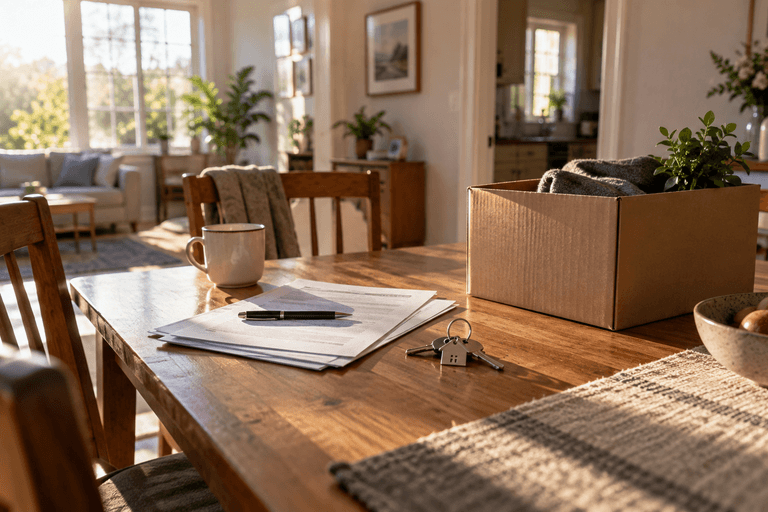
What Applicants Should Expect During the Partner Visa Process
Partner visa process requirements can feel overwhelming, but understanding each stage helps couples prepare documents, avoid delays, and apply with confidence.
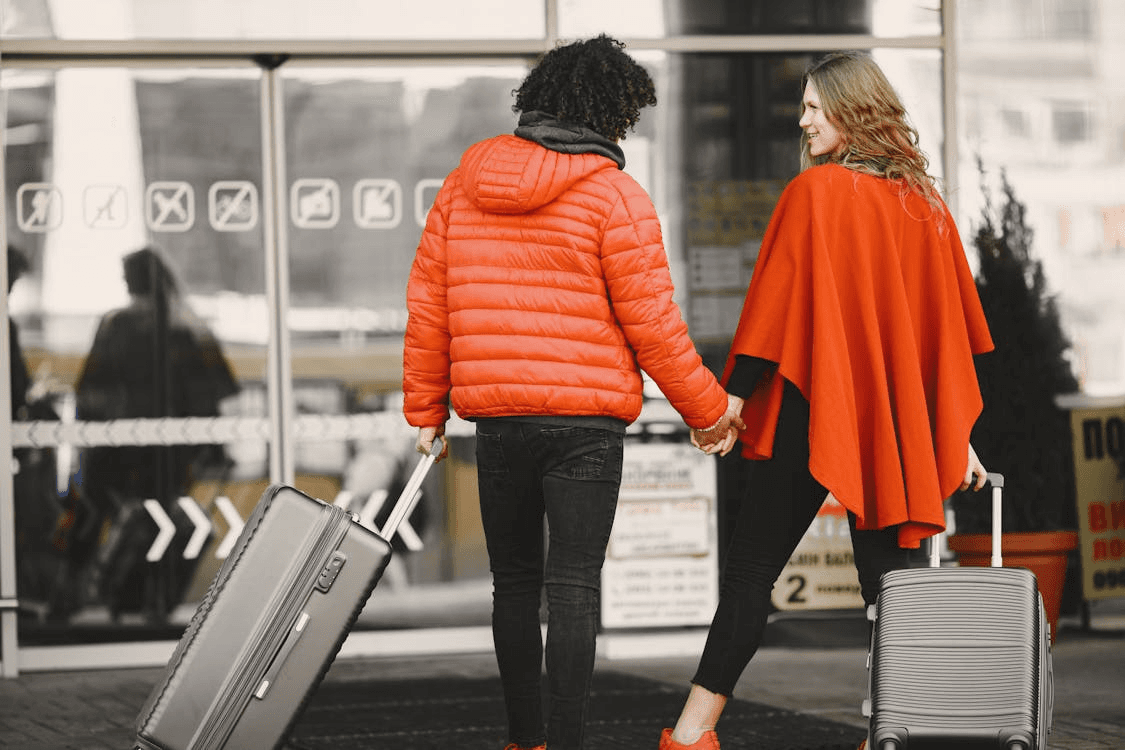
For many couples, applying for a partner visa represents an exciting step towards building a future together. Whether one partner plans to relocate permanently or the couple intends to marry and settle in the same country, the visa process often marks the beginning of a significant life transition.
At the same time, immigration applications can feel overwhelming. Partner visa requirements often involve detailed documentation, strict eligibility criteria, financial evidence, and lengthy review periods. Even couples with genuine relationships may feel uncertain about what to expect throughout the process.
While every immigration route has its own requirements, most partner visa applications follow a similar structure. Applicants are generally asked to demonstrate that their relationship is genuine, that they meet the relevant financial and legal requirements, and that they intend to live together in accordance with immigration rules.
Understanding the stages involved can help reduce stress and make the process feel more manageable. By preparing early, organising documentation carefully, and understanding what immigration authorities may require, couples can approach the application process with greater confidence and clarity.
Understanding Eligibility and Preparing Your Application
The first stage of any partner visa application involves determining eligibility. Before gathering paperwork or completing forms, couples should carefully review the requirements associated with their chosen visa category.
Eligibility criteria often include age requirements, proof of relationship status, financial considerations, accommodation arrangements, and evidence that both parties intend to build a life together. Meeting these requirements is essential because incomplete or inaccurate applications can result in delays or refusals.
Once eligibility has been confirmed, applicants should begin collecting supporting documents. Immigration authorities typically require evidence demonstrating that the relationship is genuine and ongoing. This may include photographs, travel records, communication history, financial documents, and other materials that help verify the relationship.
For couples navigating complex circumstances or seeking additional guidance, consulting a fiance visa lawyer can help clarify documentation requirements, explain eligibility criteria, and provide support throughout the application process. Professional guidance can be particularly valuable when dealing with financial requirements, previous immigration issues, or situations involving international legal considerations.
Preparation is often one of the most important factors in a successful application. Taking the time to gather evidence carefully and understand the requirements before submission can help minimise complications later in the process.
A well-prepared application not only improves organisation but can also contribute to a smoother overall experience.
Submitting the Application and Supporting Evidence
Once the required documents have been gathered, applicants can move on to completing and submitting the application. This stage requires careful attention to detail because even minor mistakes can create unnecessary delays.
All information provided should be accurate, complete, and consistent with the supporting evidence submitted alongside the application. Inconsistencies between forms and documents may raise questions that require further review.
Organisation is equally important. Presenting documentation clearly helps immigration officers review information more efficiently. Many applicants find it helpful to categorise documents according to the specific requirements outlined in the application guidance.
Application fees must also be paid as part of the submission process. Depending on the visa category, applicants may need to budget for additional costs such as biometric appointments, document translations, or other administrative expenses.
Meeting deadlines is essential throughout the process. Delays in responding to requests or submitting required information can affect processing times and potentially impact application outcomes.
By approaching the submission stage carefully and methodically, applicants can reduce the likelihood of avoidable complications.
What Happens During the Review Process
After the application has been submitted, the review process begins. For many applicants, this stage requires patience because processing times can vary depending on the complexity of the case and the volume of applications being handled.
Immigration officials typically begin by reviewing the information provided and verifying that all required documentation has been included. They may assess financial evidence, relationship documentation, identity records, and other supporting materials.
In some cases, applicants may receive requests for additional information. This does not necessarily indicate a problem with the application. Immigration authorities sometimes require clarification or supplementary evidence before making a decision.
Responding promptly and thoroughly to such requests is important. Delays in providing requested information can extend processing times unnecessarily.
The waiting period can feel stressful, particularly for couples who are eager to begin their lives together. However, understanding that careful review is a normal part of the process can help manage expectations.
Remaining organised and monitoring communication from immigration authorities helps ensure that any additional requirements can be addressed quickly.
Preparing for Interviews or Additional Verification
Not all partner visa applications involve interviews, but some cases may require additional verification. Immigration authorities may request interviews to confirm details about the relationship or clarify information provided within the application.
The purpose of these interviews is typically to assess the authenticity of the relationship and ensure that all information provided is accurate.
Applicants may be asked about how they met, important milestones in the relationship, future plans together, and aspects of their personal backgrounds. Questions are often designed to help officials gain a clearer understanding of the couple's circumstances.
Preparation can help reduce anxiety. Reviewing submitted information beforehand ensures consistency and accuracy during the interview process.
Honesty is especially important. Attempting to provide misleading information can create serious complications and potentially affect the outcome of the application.
Most genuine couples find that answering questions truthfully and confidently is the best approach.
Interviews should be viewed as an opportunity to provide additional clarity rather than as something to fear.
The partner visa process can feel complex, but understanding what to expect at each stage helps make the journey more manageable. From confirming eligibility and gathering evidence to submitting documents and waiting for a decision, careful preparation plays a major role in creating a smoother experience.
Strong organisation, accurate information, and attention to detail can help applicants avoid common mistakes and reduce unnecessary delays. Patience is equally important, as immigration reviews often take time to complete.
While every application is unique, most couples benefit from approaching the process with realistic expectations and a clear understanding of the requirements involved. Being proactive, staying organised, and seeking guidance when necessary can help build confidence throughout the journey.
Ultimately, the partner visa process is about creating opportunities for couples to build their future together. With proper preparation and a thoughtful approach, applicants can navigate the process more effectively and focus on the exciting opportunities that lie ahead.
The weekly question
From obsession to clarity — one original question every week.
We answer one noisy topic at a time, in full. No daily roundup, no thread bait — just the question, the principles, and the system.